
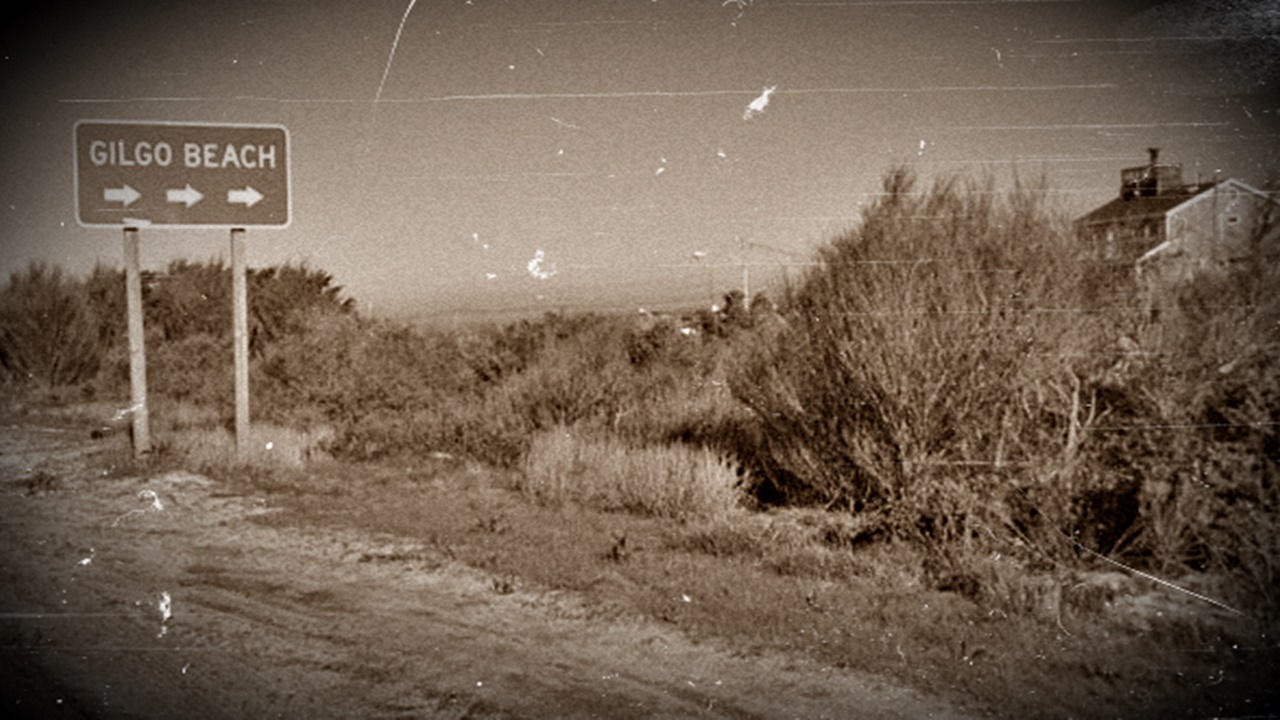
In May of 2010, a young woman named Shannan Gilbert made a frantic phone call to 911, insisting that someone was after her. Shannan, an escort who advertised on Craigslist, was last seen fleeing from a client’s home in Oak Beach, New York, and subsequently disappeared.
During the search for her, though, authorities stumbled across something they weren’t expecting: four dead bodies, none of which was Shannan. Six more bodies would turn up as the search continued, and at this point, it was starting to become clear that a serial killer had been using this area as a dumping ground for some time.
Though no one is quite certain who this individual is or how long they’ve been operating, the culprit—variously known as the Long Island Serial Killer, the Gilgo Beach Killer, or the Craigslist Ripper—is believed to be responsible for between ten and sixteen murders, and may still be at large.
This is the case of LISK.
On April 20th, 1996, police discovered a pair of severed women’s legs in a garbage bag on Fire Island, a barrier island parallel to the South Shore of Long Island, New York. For fifteen years, these partial remains stayed on ice, their only distinguishing feature being a surgical scar on the left leg. Then, in April of 2011, a skull was found on Tobay Beach, on Jones Beach Island, and DNA evidence linked the skull with the severed legs discovered in 1996. This unidentified victim was initially referred to as Fire Island Jane Doe, but by the time 2011 had rolled around, authorities had come to the sobering realization that this woman—whoever she was—might have been yet another casualty of the purported serial killer seemingly targeting sex workers in and around the communities of Long Island, and as such, the victim was renamed Jane Doe No. 7.
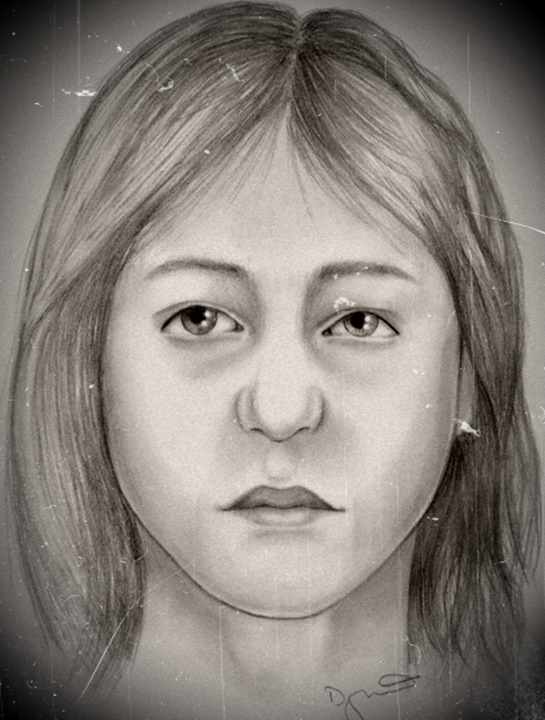
Long before this realization, however, bodies had begun to stack up. On June 28th, 1997, a hiker making his way through a wooded area of Hempstead Lake State Park in Lakeview, New York happened upon a large, green, Rubbermaid container lying just west of Lake Drive and north of Peninsula Boulevard. Inside the container was the dismembered torso of a woman, along with a floral pillowcase and a red towel.
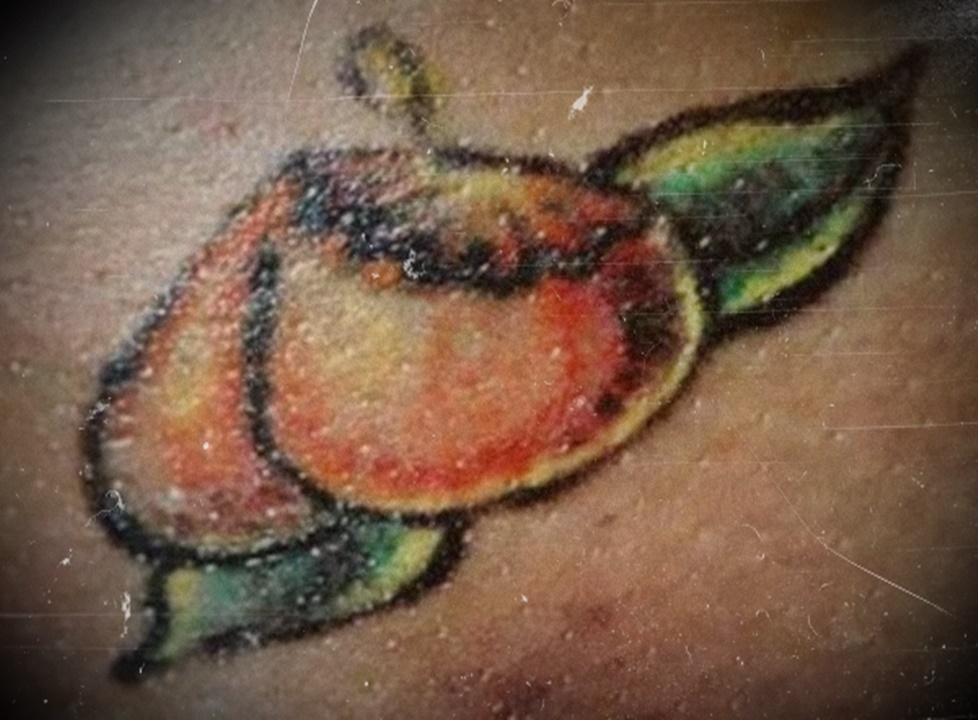
Investigators conducted a thorough search of the area in an attempt to locate the rest of the body, but the head, arms, and lower legs of the victim have never been found. Because of a distinctive tattoo the woman sported on her left breast—of a two-inch-wide, heart-shaped peach with a bite taken out of it and two droplets dripping from the middle—police dubbed the unknown victim “Peaches.”
The only other distinguishing feature was an abdominal scar, presumably from a Cesarean section. The woman was believed to be Black or mixed race, and somewhere between sixteen and thirty years old. She was thought to have been murdered no more than three days before her partial remains were found.
After authorities published a photograph of the woman’s tattoo in a nationwide tattoo magazine, an artist named Steve Cullen from Connecticut contacted police and said that he remembered giving the tattoo to a young Black woman, approximately nineteen years old, who had come into his shop accompanied by her aunt and her cousin. She had reportedly told him that she was from Long Island or the Bronx, but that she was in Connecticut staying with relatives because she was having problems with her boyfriend.
Despite this promising lead, the young woman’s identity remained a mystery. Then, in 2011, another set of partial skeletal remains was recovered in Jones Beach State Park, about thirteen-and-a-half miles from where the torso had been dumped. Five years later, these bones were definitively linked to Peaches, as were two gold bracelets found alongside the fragments.
What’s more, the remains of a one- to four-year-old child found at around the same time in nearby Gilgo Beach were proven via DNA to be Peaches’s child. The site where the toddler’s remains were discovered also yielded a gold necklace and gold hoop earrings believed to belong to Peaches. The infant is known only as Baby Doe.
In late November of 2000, another set of partial remains was discovered in Manorville, on Long Island. The remains consisted only of a woman’s torso wrapped in garbage bags, and the victim was given the name Manorville Jane Doe. More than a decade later, in April of 2011, a pair of hands, a right foot, and a severed head were found at a dump site near Gilgo Beach, and though this victim was at first dubbed Jane Doe No. 6, DNA later demonstrated that these dismembered remains all belonged to a single person. In 2020, this individual was finally identified as twenty-four-year-old Valerie Mack (sometimes known as Melissa Taylor), an escort who had been living in Philadelphia in 2000. According to her family, Valerie had last been seen alive in Port Republic, New Jersey, sometime in the spring or summer of 2000.
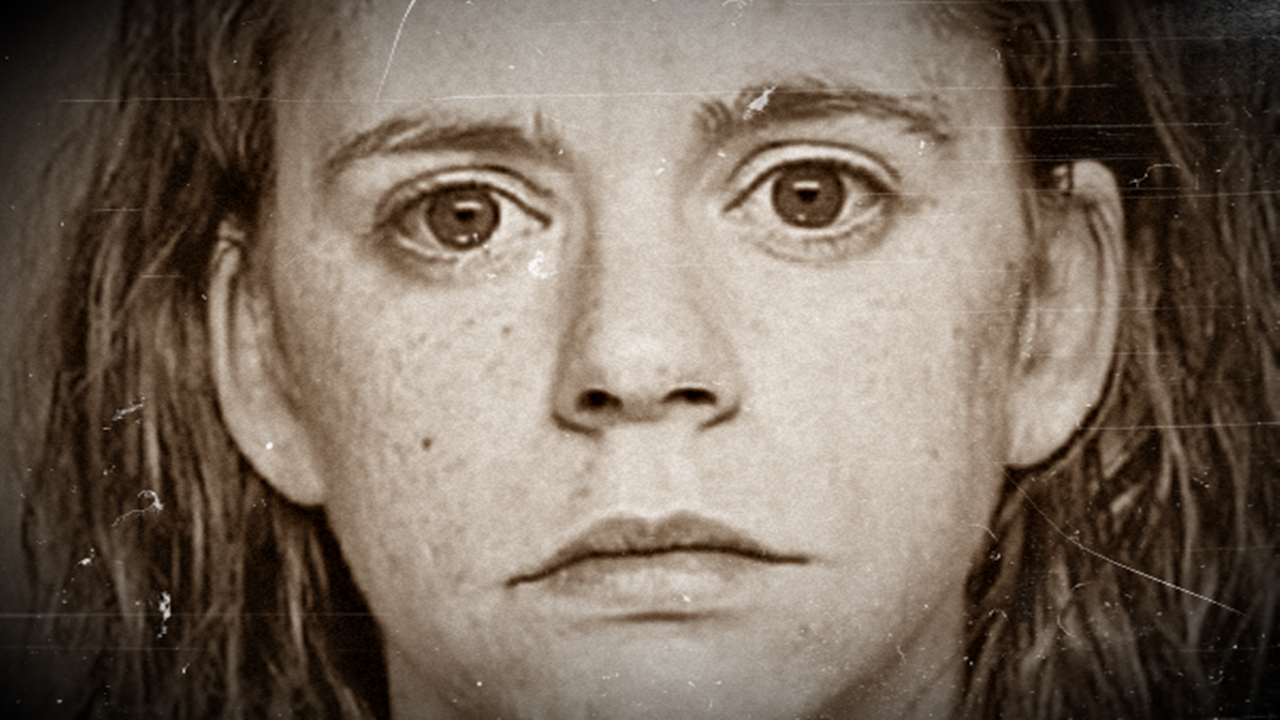
Years later, in late July of 2003, yet another set of partial remains was discovered in the same area of Manorville, Long Island. This victim was found lying on a pile of wood scraps, with a sheet of plastic beneath her. Her head and hands were missing, and it appeared as though her killer had used a sharp object to mutilate a tattoo on her body, most likely to make identification more difficult. But unlike many of the other victims, this woman was identified the same year she was found: she was twenty-year-old Manhattan sex worker Jessica Taylor, who had last been seen near the Port Authority Bus Terminal in Manhattan only five days before her dismembered torso was discovered. In late March of 2011, her skull, hands, and one forearm were found near Gilgo Beach.
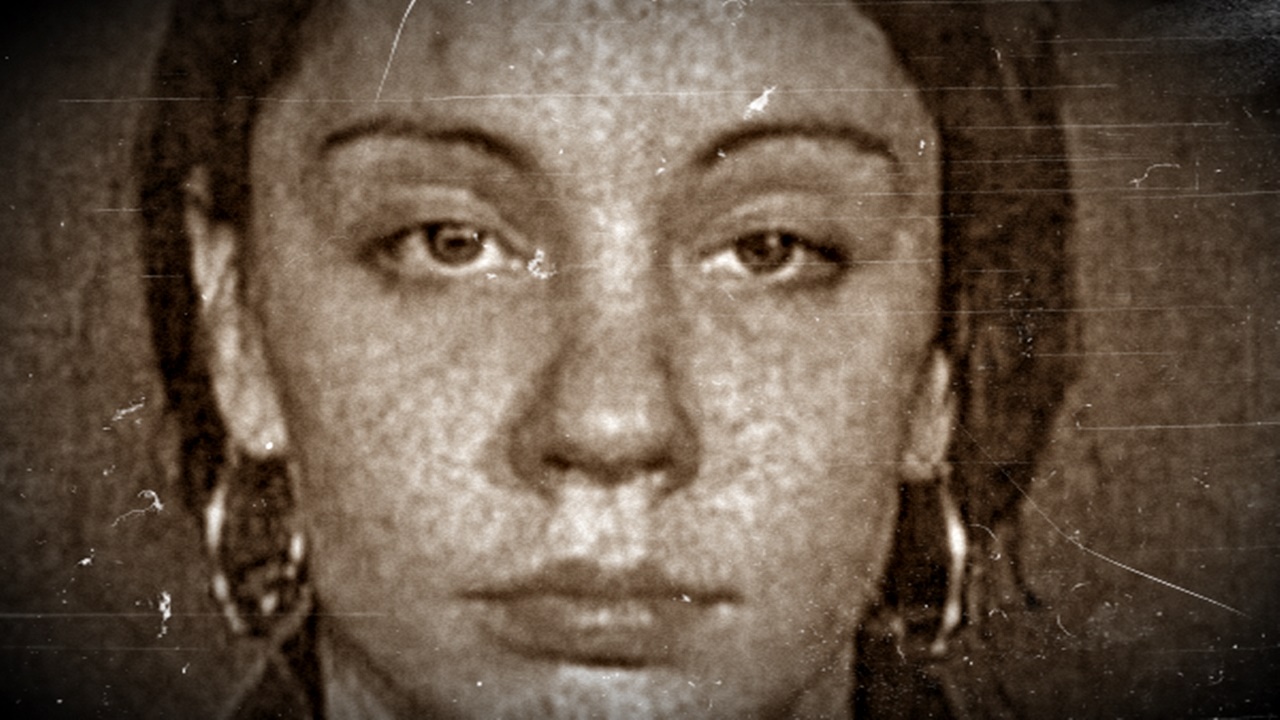
On July 9th, 2007, twenty-five-year-old escort and mother of two Maureen Brainard-Barnes left her home in Norwich, Connecticut, and told a friend that she was planning to spend the day in New York City, meeting a client at a Super 8 Motel in Manhattan. She subsequently vanished. Not long after she disappeared, her friend Sara Karnes claimed she received a strange phone call from a man who refused to identify himself and told her that Maureen was staying at a Queens brothel. He stated that he would call back later and tell Sara where this brothel was, but he never did. In December of 2010, though, her strangled body was discovered on Long Island; it was almost certain that she had been murdered shortly after she had gone missing.

Almost exactly two years later, twenty-four-year-old Melissa Barthelemy, a Craigslist escort from the Bronx, met with a client, deposited her $900 fee into her checking account, and vanished. It was July 12th, 2009. A week after she disappeared, her sister Amanda, who was only a teenager at the time, started receiving an increasingly disturbing series of phone calls from a man using Melissa’s cell phone. The caller asked whether Amanda was “a whore like her sister,” and later told the girl that her sister was dead, and that he was planning to “watch her rot.” Though police traced some of these calls to various locations around Manhattan as well as Massapequa on Long Island, they were never able to find the culprit. Melissa Barthelemy’s remains were found on December 11th, 2010, two days before those of Maureen Brainard-Barnes, and like Maureen, Melissa had been strangled and dumped in the same area of Long Island.

On May 2nd, 2010, a bizarre occurrence on Oak Beach would serve as the catalyst for what would become the LISK investigation, finally cluing police in to the fact that there might be a serial killer on the hunt. Keep in mind that prior to this incident, only a few sets of partial remains had been found, and a small handful of women, most of them escorts, had gone missing. Prior to that point, there was no reason to necessarily connect the crimes. The case of Shannan Gilbert, though, changed all that.
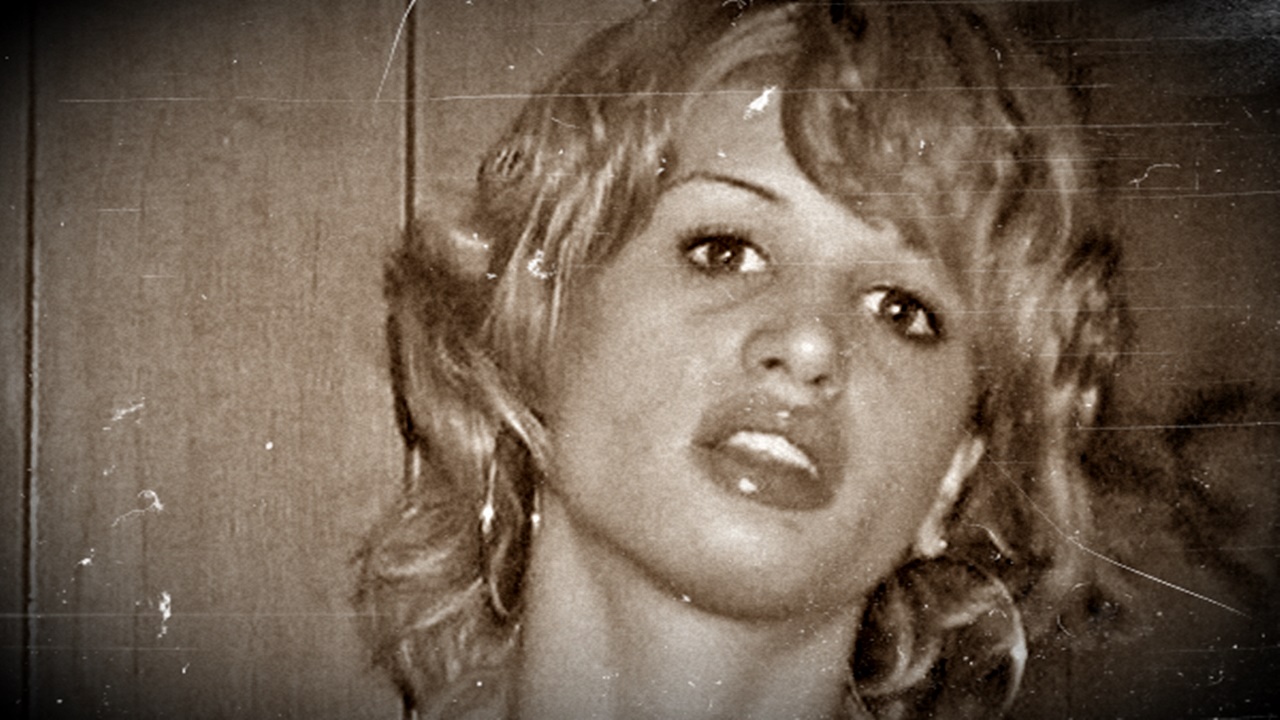
At the time of her disappearance, Shannan was twenty-three years old, and had traveled out to Oak Beach to the home of a client after setting up an appointment via Craigslist. She arrived there some time after midnight, and it’s unclear what happened over the ensuing five hours. Shortly before five in the morning, however, 911 dispatchers received a distraught phone call from Shannan, in which she claimed that someone was after her and was trying to kill her. She remained on the line for more than twenty minutes, though much of that time she was silent; she was last seen pounding on the door of a house in Oak Beach and screaming for help, then running off into the darkness. The entire phone call was finally released to the public by the Suffolk County Police Department in May of 2022.
Investigators were sent to the area to look for Shannan, but found no trace of her, and a month after the fateful 911 call, a new search was undertaken, utilizing a cadaver dog named Blue. But still, nothing was found, although the hunt continued all throughout the summer of 2010. Finally, in December of the same year, authorities decided to widen the search parameters, theorizing that if Shannan Gilbert had been murdered, then perhaps her body had been dumped along a nearby parkway.
This time, the search hit paydirt, but not in the way that police expected. On December 11th, 2010, a set of skeletal remains housed in a rotting burlap sack were discovered along Ocean Parkway in Oak Beach. These however, were not the remains of the still-missing Shannan Gilbert; in fact, they belonged to the previously discussed Melissa Barthelemy, who had vanished in July of 2009. Two days later, on December 13th, shocked investigators unearthed three more bodies as they were searching for additional evidence. These victims were identified as the aforementioned Maureen Brainard-Barnes, last seen in July of 2007; twenty-two-year-old Megan Waterman of South Portland, Maine, who had gone missing in early June of 2010; and twenty-seven-year-old Amber Lynn Costello of West Babylon, New York, who was last seen on September 2nd, 2010. The four victims found in December of 2010—all of whom had been strangled and left in burlap sacks only about five hundred feet from one another—would subsequently become known as “The Gilgo Four.”
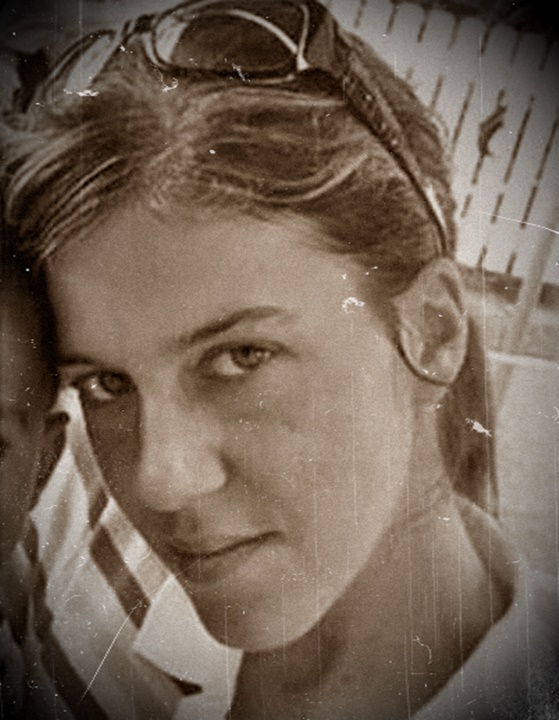

At this stage, police were not only looking for Shannan Gilbert, whose whereabouts were still unknown, but also searching for the individual who had murdered these other women. And as the investigation continued, more victims would make themselves known. In March of 2011, the partial remains of Jessica Taylor were discovered along the same roadway; as discussed earlier, she had gone missing in 2003, and her torso was found in Manorville not long after her disappearance.
A month later, on April 4th, detectives uncovered three more sets of remains: the previously mentioned Baby Doe; the head, hands, and right foot of Valerie Mack (whose torso had been found in Manorville in late 2000); and a young Asian man known only as John Doe, who was found clad in women’s clothing and may have identified as female. This last victim, thought to have been murdered by blunt-force trauma sometime between five and ten years prior to his remains being found, was believed to be in his late teens to early twenties, stood about five-foot-six, and was missing four teeth.
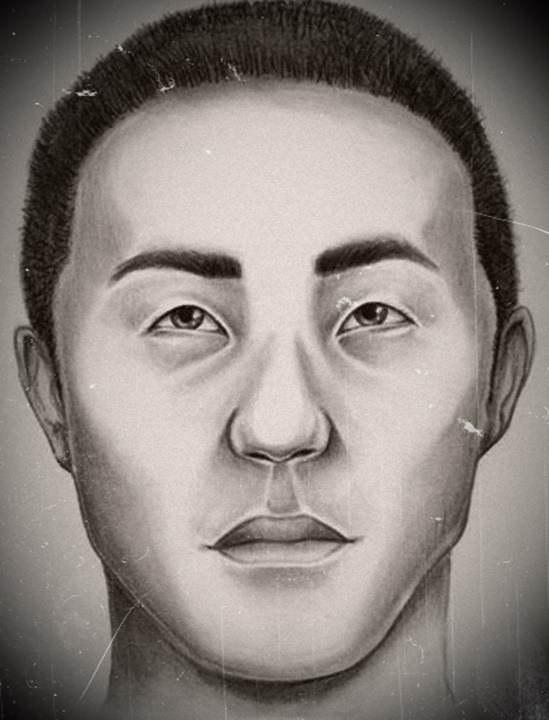
A week after that, on April 11th, the partial remains of the aforementioned Peaches and Fire Island Jane Doe were found near Jones Beach State Park and Tobay Beach, respectively. In May of 2011, authorities announced that they were confident all ten of the victims had been killed by the same perpetrator, and that the killer was almost certainly a resident of Long Island.
On December 13th of the same year, there was a strange and tragic twist in the ongoing case. At long last, the body of Shannan Gilbert, who had disappeared in early May of 2010, was found in a marsh, only half a mile from the spot where she had last been seen alive. After examination of the remains, however, police stated that her death was most likely an accident; they theorized that Shannan had set off into the marsh in a drug-fueled, paranoid state, and had drowned or died of exposure. Shannan’s mother staunchly believed that her daughter was murdered by the same individual who had killed the other ten victims, though, and she sued the Suffolk County Police Department in November of 2012. Another forensic pathologist, Dr. Michael Baden, was brought on for a second opinion, and in his view, it was absolutely possible that Shannan had indeed been the victim of a homicide. He pointed out that her hyoid bone was damaged, suggesting strangulation, and noted that her body had been found face-up, which was unusual for the victim of a drowning. According to the official police report, however, Shannan’s cause of death is still considered accidental or inconclusive.
In an even more bizarre development, Shannan’s mother Mari was herself murdered on July 23rd, 2016; her other daughter Sarra was arrested and charged with the crime.

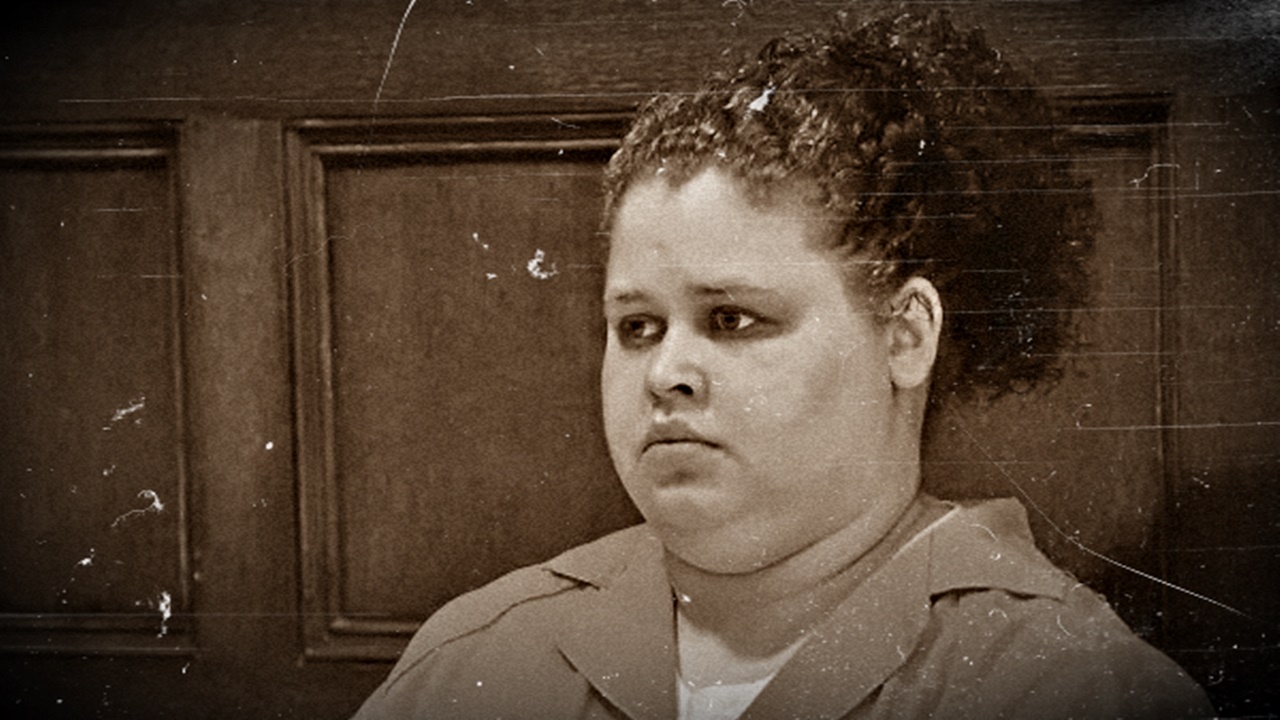
There are several other possible victims of the Long Island Serial Killer, though their inclusion in the tally is not yet confirmed. One of these is nineteen-year-old Tina Foglia, who vanished on the first of February of 1982 while hitchhiking to a concert. Her dismembered body was found two days later, encased in three separate garbage bags, along a highway in Suffolk County. The DNA of an unknown male was recovered from the bags.

Another potential victim is sixteen-year-old Jacqueline Smith, last seen alive going to visit friends near her home in Brooklyn on August 7th, 1999. Her torso was discovered in Rockaway Beach on June 20th, 2000.
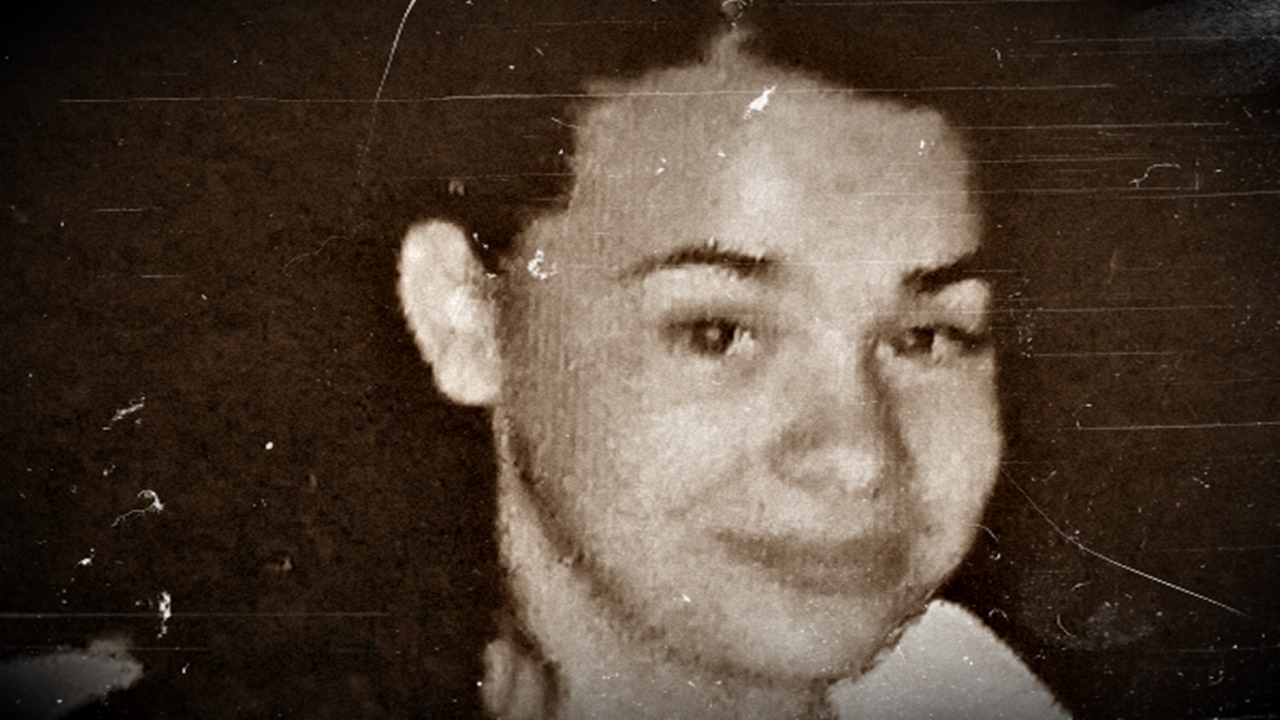
Twenty-five-year-old Andre Isaac, a drag queen who performed under the name Sugar Bear, disappeared from East New York in November of 2002. His torso was recovered on December 17th of the same year in Queens. In late January of 2003, his severed head was found in a pond in Moriches, in Suffolk County. He had a single bullet wound in the temple. His arms and legs were later found a few miles away.
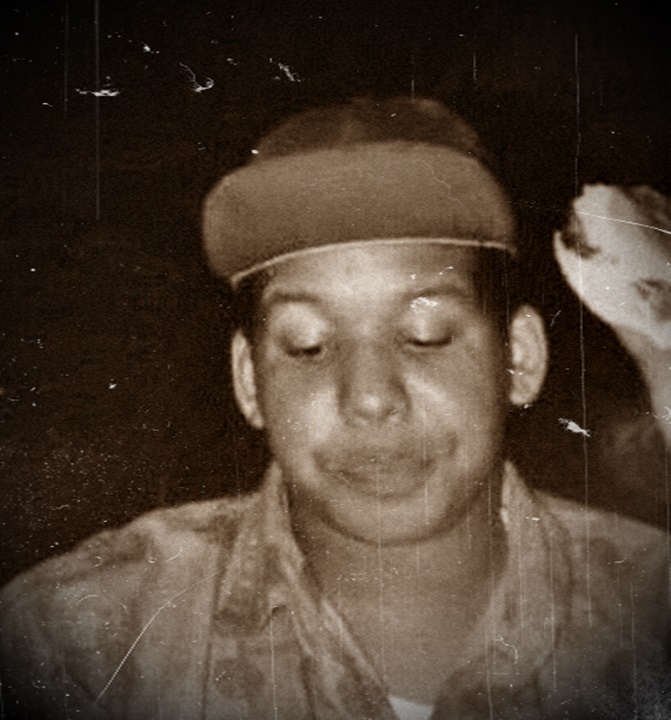
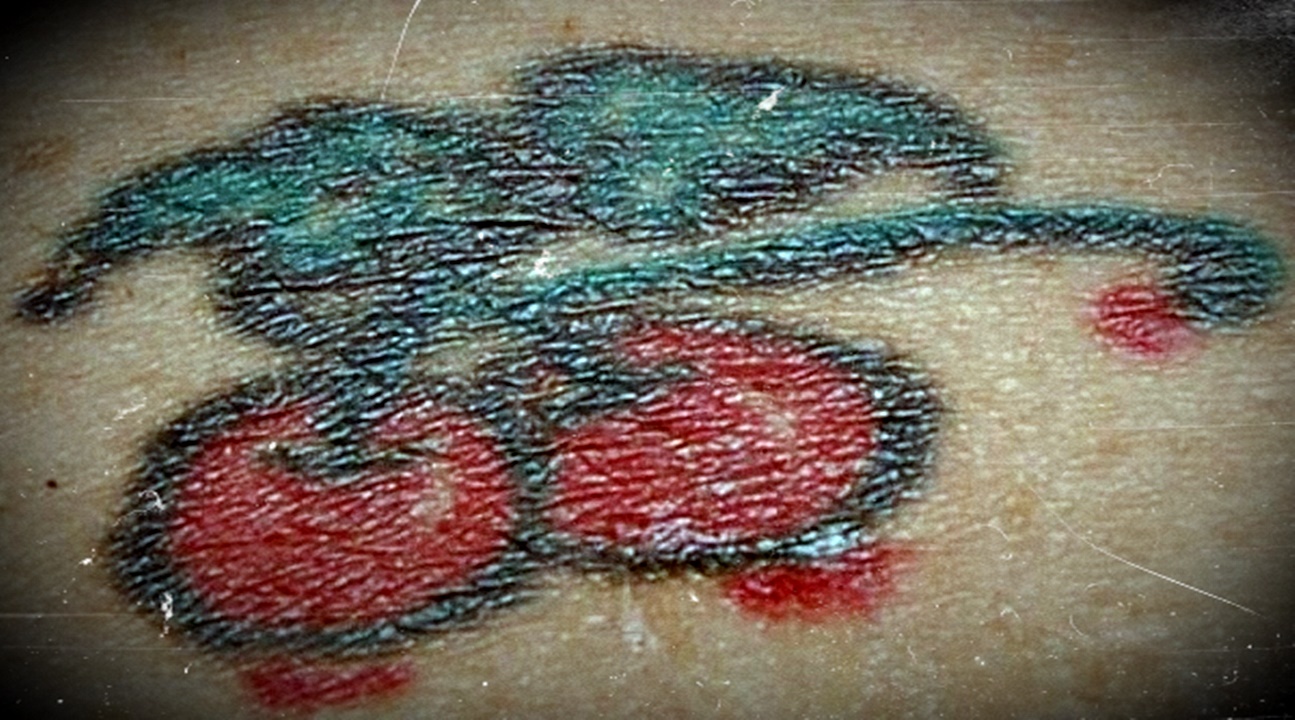
The torso of an unidentified Hispanic or light-skinned Black woman nicknamed “Cherries”— after a distinctive tattoo on her left breast—was found in a suitcase that had washed up on a beach at Harbor Island Park on March 3rd, 2007. She had been stabbed to death. One of her legs was recovered from Cold Spring Harbor on March 21st, and the other in Oyster Bay the following day.
Thirty-nine-year-old Tanya Rush went missing from Brooklyn as she was walking toward a subway station at 3 o’clock on the morning of June 23rd, 2008. Her dismembered remains were discovered inside a suitcase in Bellmore, New York four days later.
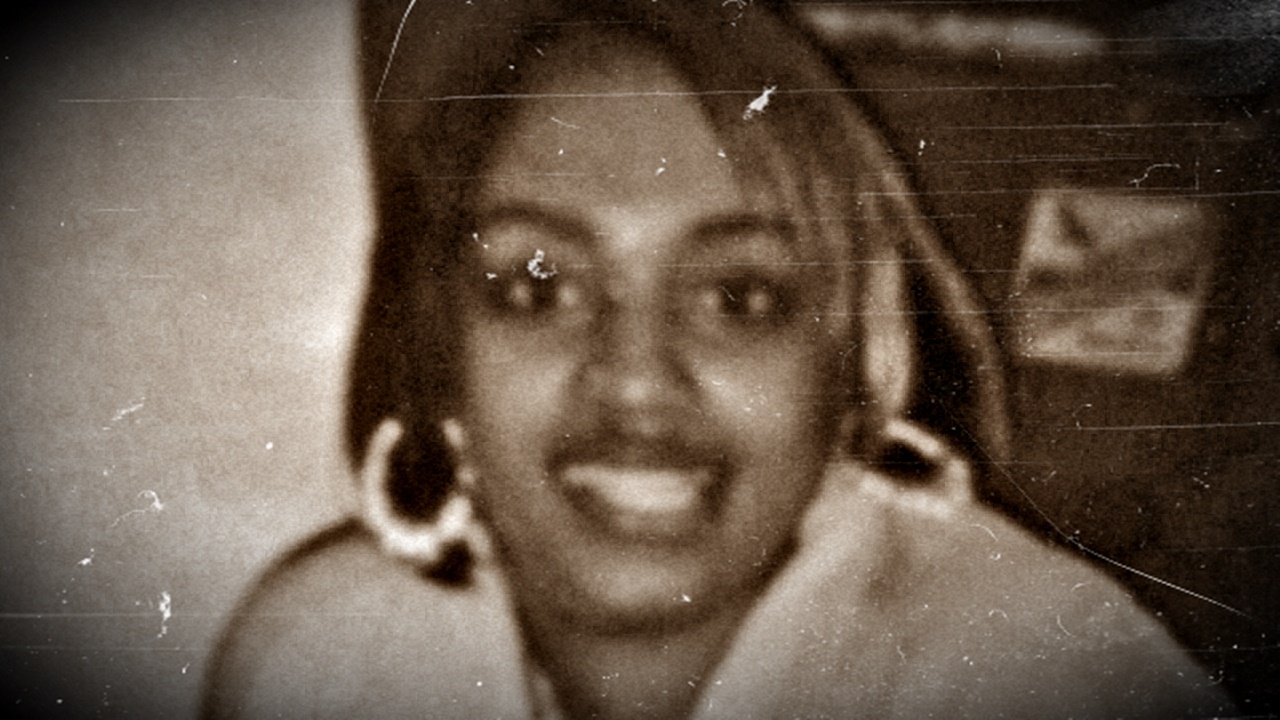
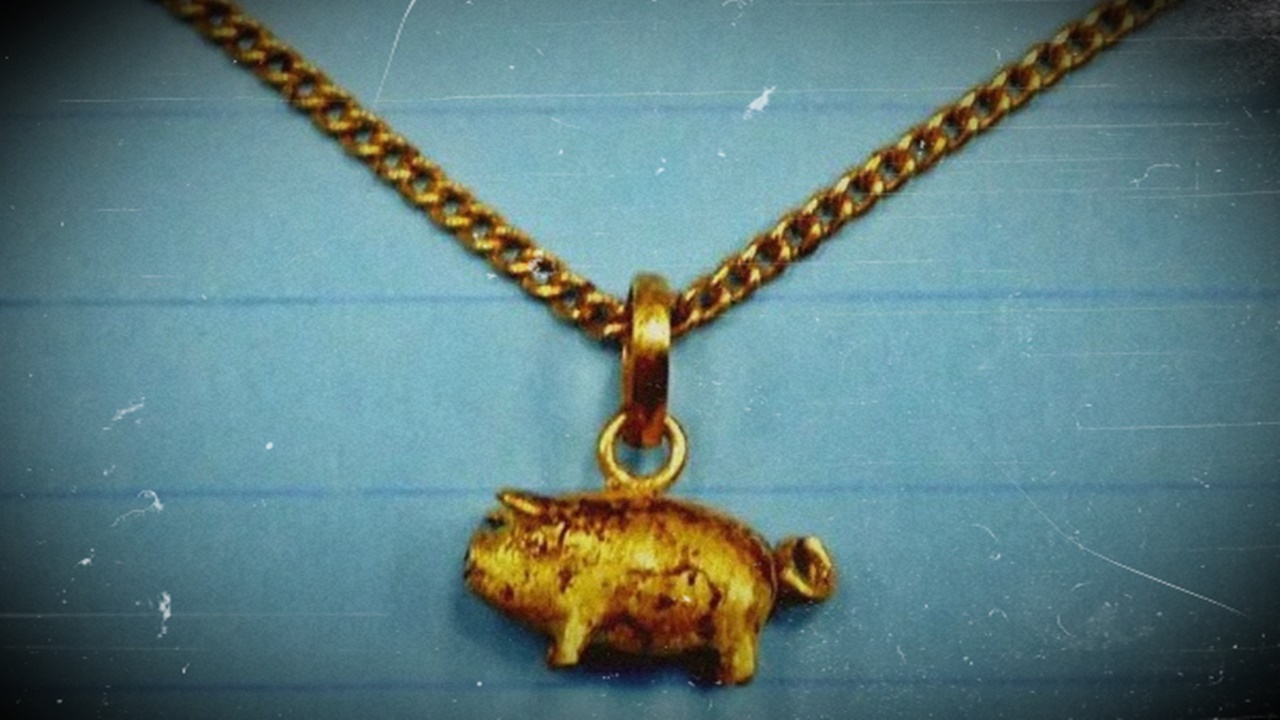
A set of unidentified skeletal remains, possibly belonging to an Asian woman between twenty and thirty years old, were found near Oyster Bay on January 23rd, 2013. Her body had been wrapped in some undisclosed material and had been buried, rather than being left above ground like the other presumed victims of LISK. She was wearing a 22-karat, solid gold pig pendant.
During the course of the investigation into the disappearance of Shannan Gilbert, several suspects emerged as candidates for the Long Island Serial Killer. One of these was Oak Beach resident Joseph Brewer, the man who had hired Shannan as an escort on the night she vanished. When police questioned him, he stated that Shannan had arrived at his house and had immediately started acting strangely; shortly afterward, he claimed, she had fled the residence in a panicked state. Though Brewer was investigated thoroughly, police could find no evidence that he had anything to do with Shannan’s death.
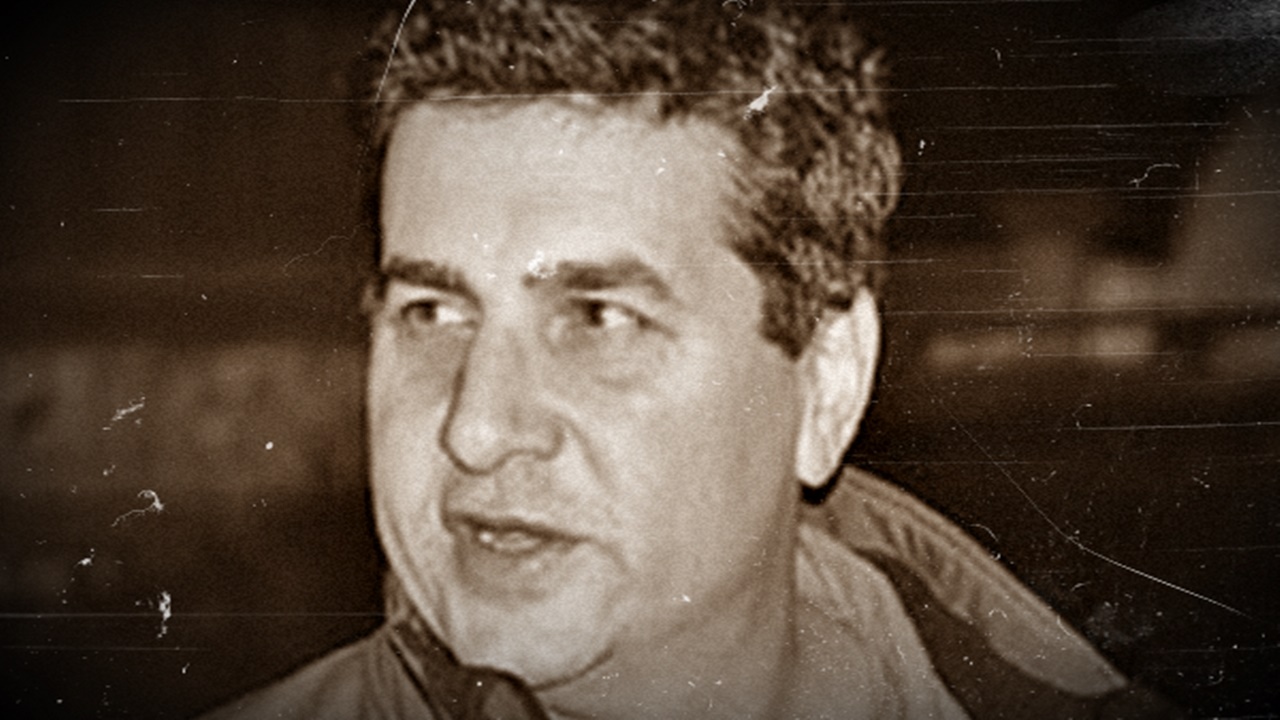
Another individual from the same neighborhood came to the attention of authorities only two days after Shannan went missing. This was a former doctor by the name of Peter Hackett, who lived near Joseph Brewer and had formerly worked for the Suffolk County Police Department as a surgeon. Shannan’s mother Mari Gilbert told police that Peter Hackett had called her two days after Shannan went missing, and told her that he ran a home for wayward girls and was looking after Shannan, giving her some medication to calm her down. This seemed obviously suspicious, and even more suspiciously, Hackett called Mari again three days after that, denying that he had made the first phone call and saying that he had never met Shannan before in his life.
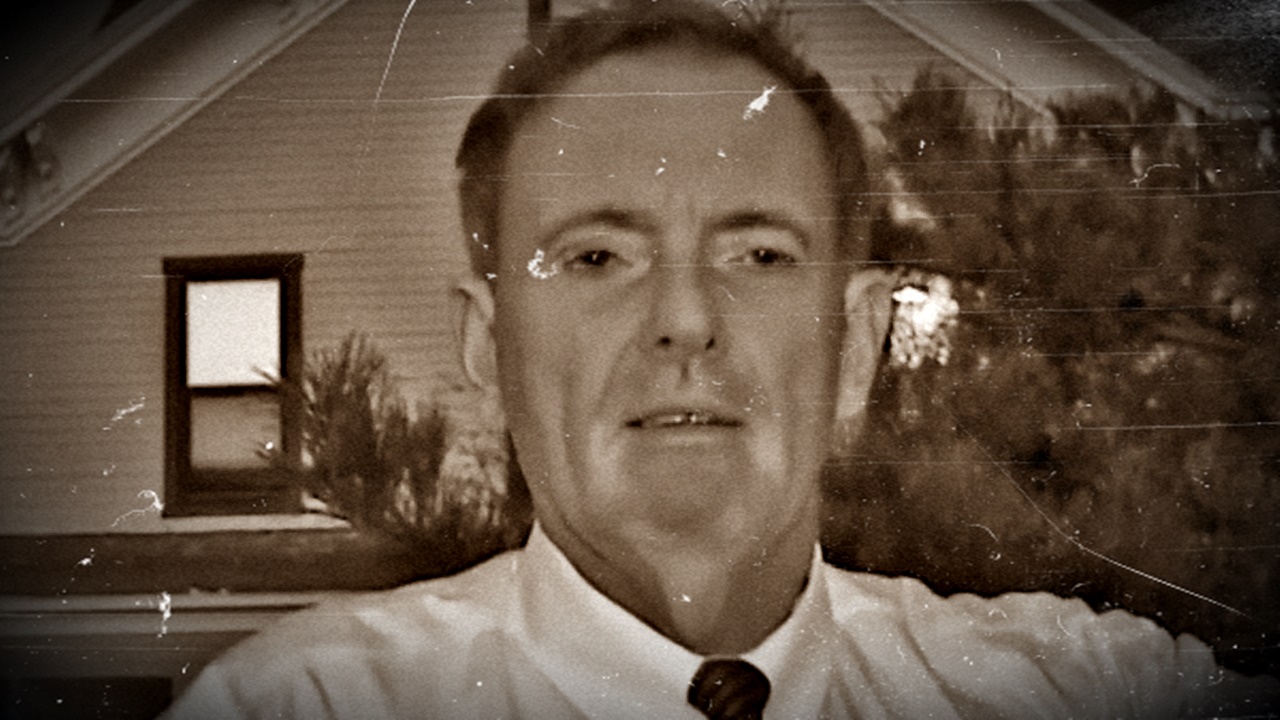
It also seemed significant that the spot where Shannan’s body and personal effects would eventually be found was directly behind Hackett’s property. Mari Gilbert sued Hackett in late 2012, alleging that Hackett had given drugs to Shannan that may have led to her death, but the suit was dismissed due to lack of evidence. Police later discovered that Hackett had a long history of inserting himself into investigations in order to get attention, and eventually they discounted him as a suspect.
A man named James Bissett was also considered a person of interest, largely because he committed suicide in his car only two days after Shannan was found dead. There was also the interesting detail that he owned a plant nursery business that supplied burlap to many other businesses in the area. Several of the victims of the Long Island Serial Killer had been found inside burlap sacks.
James Burke, the former Suffolk County Police Chief, was also among the suspects, due to the fact that he had reportedly interfered with the FBI’s investigation into the LISK case during his tenure. Burke also had a criminal record: in late 2016, he received forty-six months in prison after assaulting a man he had taken into custody for theft. There were also allegations from an escort known only as Leanne that Burke had been at a party in late 2016 at which he had physically assaulted another escort that he had paid for sex.
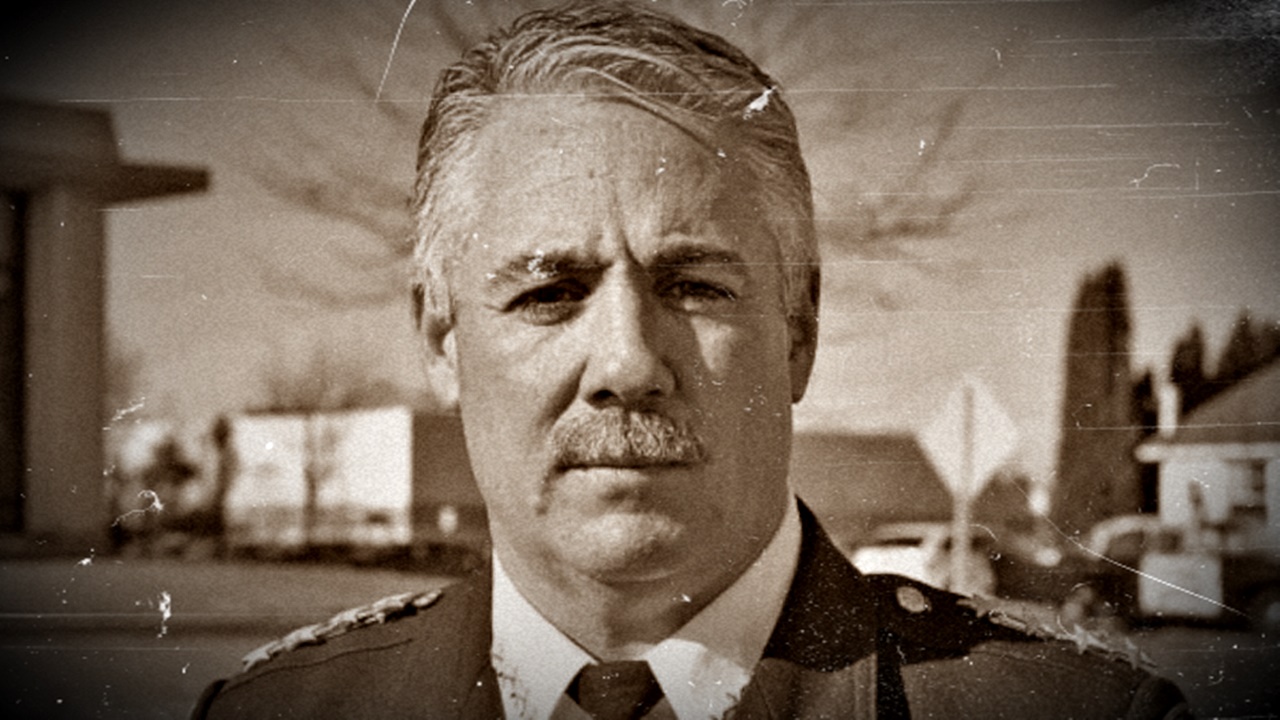
Perhaps the most compelling candidate for the unknown killer, however, is a man named John Bittrolff, who was named as a suspect in 2017. Bittrolff was arrested in 2014 after his DNA was discovered on the bodies of two murdered women: Rita Tangredi, whose body was found in 1993; and Colleen McNamee, whose body was found in 1994. The manner in which the victims were killed bore a suspicious resemblance to the modus operandi seen in the LISK slayings. Furthermore, Bittrolff lived only a few miles away from where the remains of Valerie Mack and Jessica Taylor were found, and authorities also deemed it relevant that Bittrolf was a carpenter, and had access to tools that could be used for dismemberment. Lastly, one of the LISK victims—Melissa Barthelemy—was best friends with the daughter of Rita Tangredi, who had been slain by Bittrolff in 1993. Bittrolff is currently serving two consecutive twenty-five-year sentences for the two murders from the 1990s, but investigation into his possible connection with the Long Island Serial Killer case is ongoing.
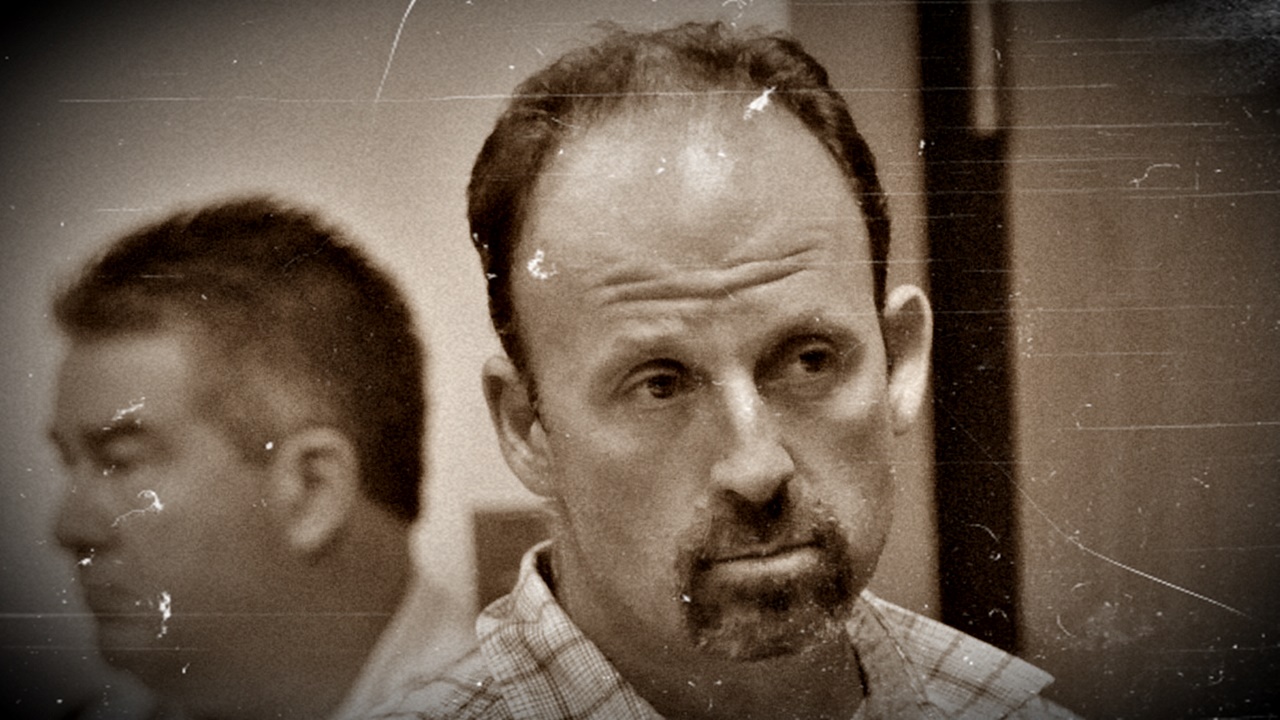
There has also been speculation that serial killer Joel Rifkin, who was convicted of killing nine women between 1989 and 1993 and once lived on the South Shore of Long Island, may have been responsible for some of the older crimes in the LISK series, though Rifkin himself has denied the allegations.
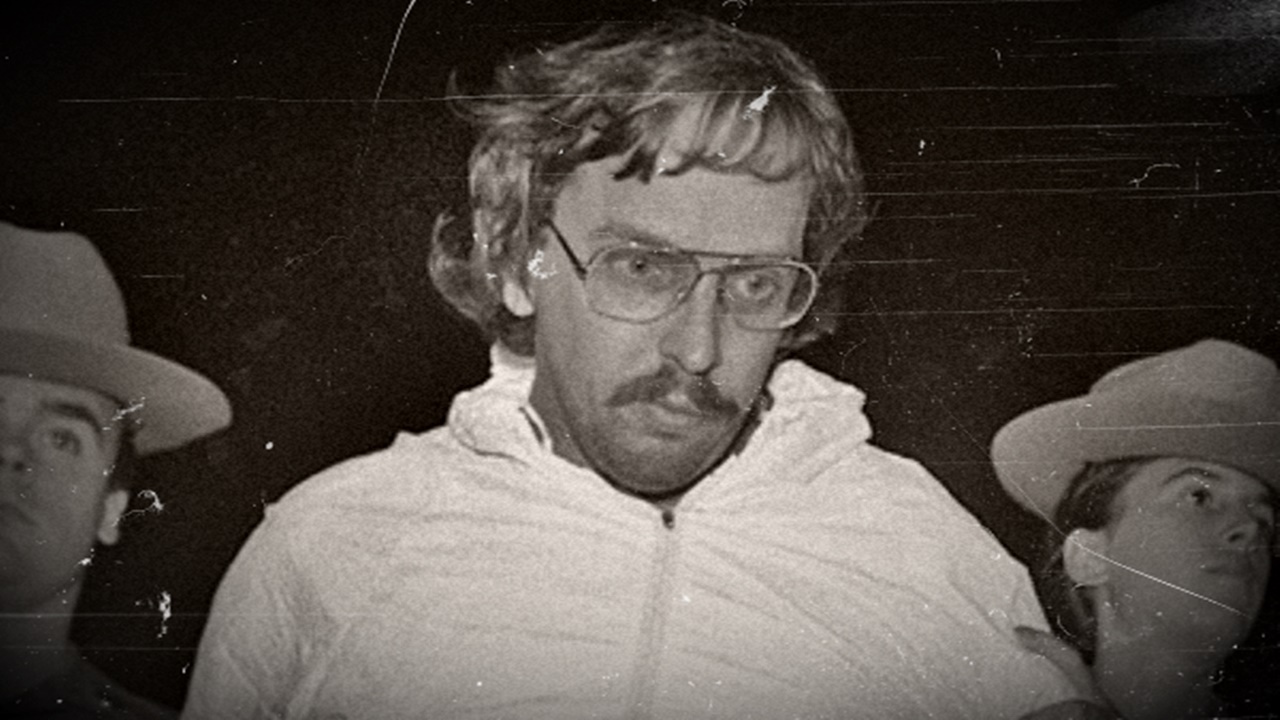
The unknown predator responsible for some or all of the gruesome and unsolved murders is most likely a white male with some knowledge of law enforcement techniques, access to burlap bags, and a familiarity with the area around Long Island. Whoever he is, there remains the chilling possibility that he may still be walking free to this day, just waiting for the chance to strike again.
 Crime Immemorial