
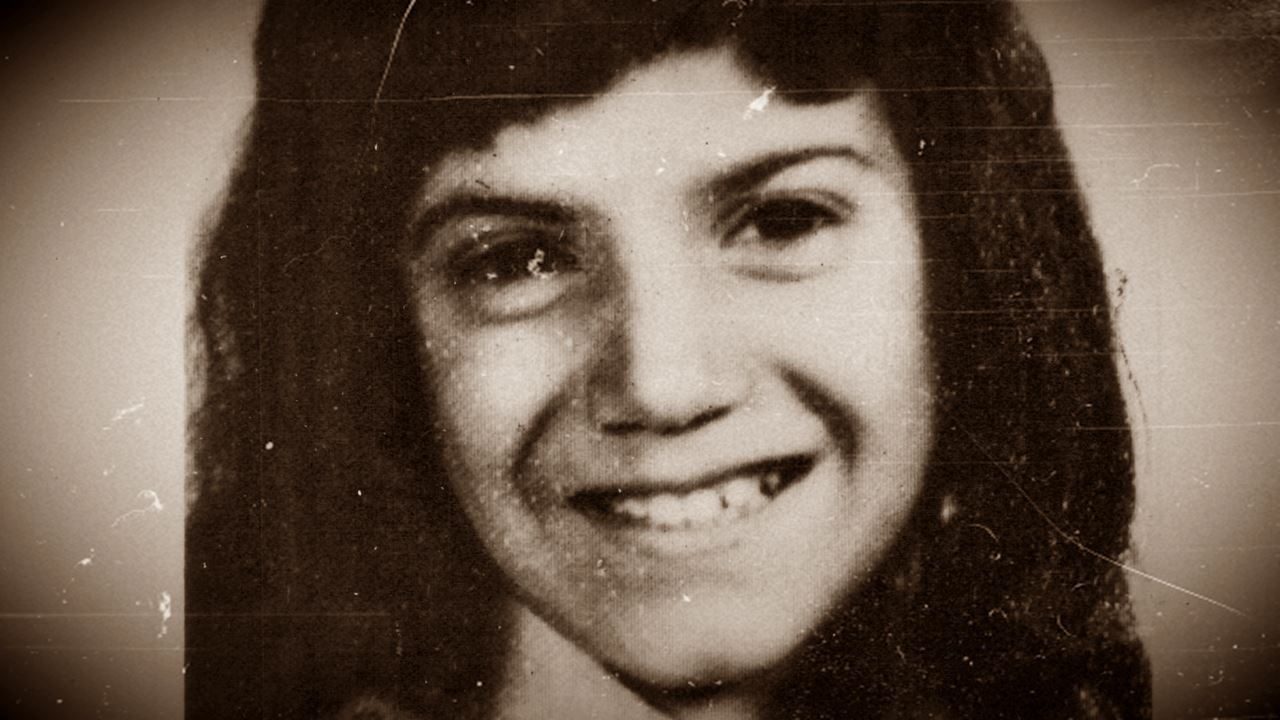
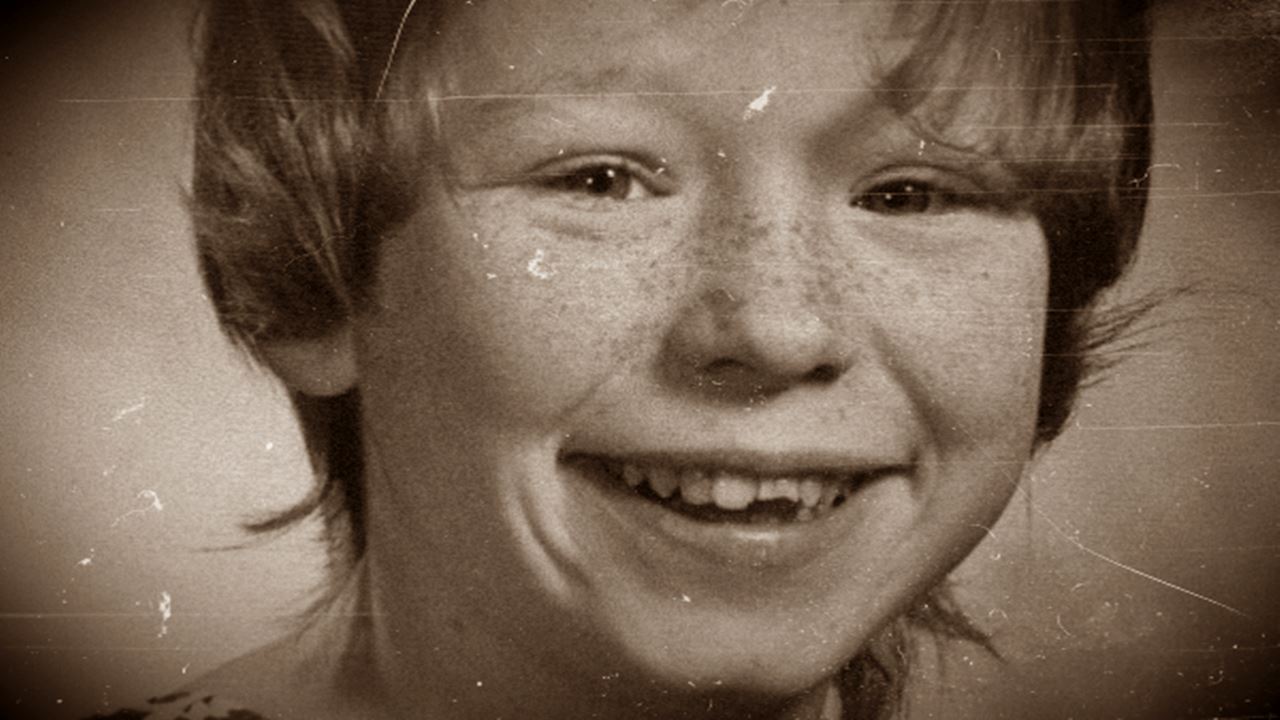
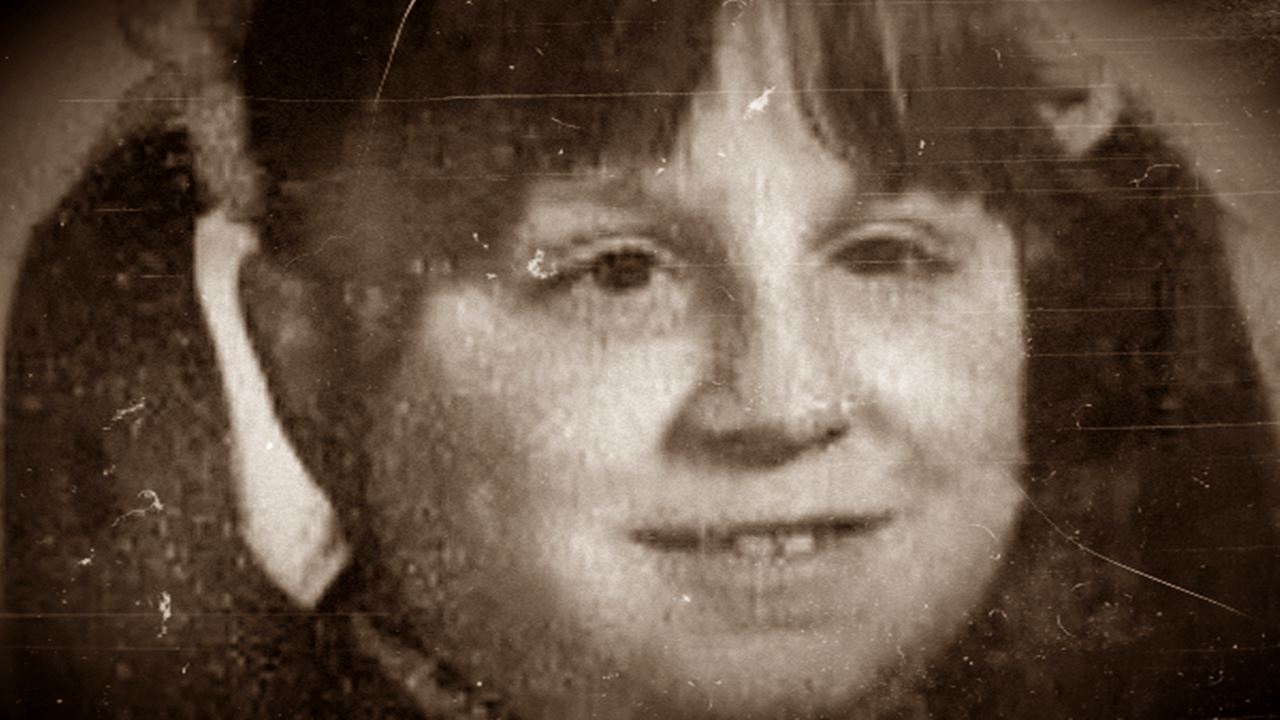
In the late autumn of 1971, the presumed first victim of a child killer who seemingly had a peculiar method for choosing his targets would turn up in Rochester, New York.
It was the afternoon of Tuesday, November 16th. Ten-year-old Carmen Colón left the home on Brown Street she shared with her grandparents and began walking to a nearby drugstore to pick up a prescription. While the prescription was still being processed, however, Carmen suddenly told the shop owner that she had to go, and was then seen getting into a car parked in front of the pharmacy. It was the last time she was seen alive.
Two days later, on November 18th, two teenaged boys riding their bicycles near a village called Churchville, New York saw what they thought was a broken doll lying in a ditch. Looking closer, they realized it was the mostly nude body of a dark-haired little girl. Carmen Colón, it seemed, had been found.
The child had been raped and manually strangled, and her small body was marred with numerous scratches from her killer’s fingernails. Additionally, her skull and one of her vertebrae were fractured. Forensic examination demonstrated that she had been dead for approximately twenty-four hours.
Police immediately began a door-to-door canvass of the neighborhood where Carmen lived in an attempt to gather information. Most everyone on Brown Street had known Carmen well, and all were horrified by her grim end.
Distressingly, there were numerous witnesses who came forward after the murder and reported to authorities that they had seen a little girl, naked from the waist down, running alongside Interstate 490 at a little past five p.m. on November 16th, and had further seen a dark gray car, possibly a Ford Pinto, on the shoulder, backing slowly toward her. None of these passing motorists had stopped, simply because they had been traveling at around seventy miles an hour and hadn’t really registered what they were looking at. All the eyewitnesses bitterly regretted that they had failed to help the child.
The investigation initially focused on two individuals. The first of these was a man named James Barber, who worked near the neighborhood where Carmen lived. Police found it suspicious that he had abruptly skipped town immediately after Carmen’s murder, leaving many of his possessions behind.
Perhaps even more significant was the fact that his work timecard on the day Carmen was likely killed had been penciled in, rather than machine-punched. Not only that, but upon researching his past, investigators discovered that Barber had an outstanding warrant in Ohio for assaulting and sodomizing a fifteen-year-old girl. He was never arrested for Carmen’s slaying, and died not long afterward.
Another compelling suspect, shockingly, was the child’s own uncle, Miguel Colón, who likewise left town soon after Carmen was killed. When police searched Colón’s vehicle, they found that it had been thoroughly cleaned, but still contained a doll belonging to Carmen.
Miguel Colón moved to Puerto Rico for a time, but eventually returned to New York. In 1991, he shot and wounded his wife and her brother before shooting and killing himself in a dramatic domestic standoff with police. He was forty-four years old at the time of his death. Many of the original investigators on the case still believe that Miguel Colón murdered his niece, though other family members strongly doubt his guilt.
Another possibility for the identity of the killer would not reveal itself until 1973, when two more similar murders would occur in the area. In this scenario, it was theorized, Carmen Colón was the first casualty of a serial killer who targeted children whose first and last names began with the same letter. These murders would come to be known as the Alphabet, or Double Initial, Murders.
It was a little past five p.m. on the rainy afternoon of April 2nd, 1973, and eleven-year-old Wanda Walkowicz set out on an errand for her mother, walking to a nearby store to purchase a few items.
Wanda came from a troubled, single-parent home located on Avenue D in Rochester, though she usually attempted to put a brave face on things, and was known around the neighborhood for her quick sense of humor and her devotion to her mother and sisters.
On this particular spring day, Wanda was seen at the store buying tuna, cat food, milk, and cupcakes, and was also spotted by several witnesses carrying her laden grocery bag down the street toward home, but shortly after these sightings, she completely vanished.
Wanda’s mother Joyce almost immediately became alarmed, reporting her daughter missing less than three hours after the girl had left for the store and failed to return. Joyce then turned on her police scanner and listened anxiously for any news.
Unfortunately, Wanda’s killer had also acted quickly; by the time the next morning dawned, investigators had come across the body of the eleven-year-old lying behind a rest stop in the town of Webster. She had been raped and strangled.
Remembering the rape and murder of ten-year-old Carmen Colón from seventeen months before, authorities in Rochester began to note disturbing similarities between the two crimes. The first and last names of both victims, oddly, started with the same letter, and not only that, but the names of the towns where the two girls’ bodies were found—Webster in the case of Wanda Walkowicz, and near Churchville in the case of Carmen Colón—also began with the same letter as their names. Perhaps, detectives hypothesized, a serial killer with a strange alphabetical obsession was targeting the areas around Rochester.
The cases had other parallels too. Both victims had been raped and strangled. Both were small, were around the same age, and had lived in similar working-class neighborhoods. Both had been abducted while walking to a store to run errands. Both had emotional problems and/or learning difficulties, and came from broken families. Both had been raised Roman Catholic.
But there were some significant differences as well. Carmen Colón had been found mostly nude, and had been manually strangled by a killer who was positioned in front of her. Wanda, conversely, despite having been raped, was found fully clothed, and had been strangled with a ligature, possibly a belt, from behind. Semen and pubic hair were recovered from the body, as were hairs from a white cat.
Additionally, an autopsy revealed that Wanda had eaten frozen custard shortly before her death, leading police to believe that her murderer had fed her soon after kidnapping her. No such detail existed in the case of Carmen Colón.
During the ensuing investigation, witness reports alleged that Wanda had been seen talking to someone in a brown car, and/or had been forced into a light-colored vehicle, possibly a Dodge Dart, on Conkey Avenue on the evening of her disappearance. Significantly, this vehicle did not match the car that had been seen in November of 1971, backing up along the highway as Carmen Colón attempted to escape. In that case, the vehicle had been dark gray, the same color as the car owned by Carmen’s uncle Miguel, who was a suspect in her murder. For this and other reasons, some detectives are still uncertain whether Carmen and Wanda were murdered by the same offender.
Six months later, though, the so-called Alphabet Murders or Double Initial Killings would increase by one, and subsequent years would see many twists and turns in the baffling investigation.
Eleven-year-old Michelle Maenza was a shy, slightly chubby girl who was often the target of bullying at school. She also tended to act younger than her years, preferring the company of much younger children to the same-age peers who tormented her; but despite her troubles, she was known to have a sweet, giving nature.
On November 26th, 1973—the day before her eleventh birthday—Michelle was walking home from school, and on her way there, she made a stop off at a nearby shopping center. Her mother had lost a purse in a store at the plaza the day before, and Michelle was doing a good deed by having another look around for it.
Some sources assert that Michelle’s uncle saw the child at the shopping center and offered to give her a lift the rest of the way home, but Michelle declined, wanting to continue looking for her mother’s purse. Sadly, after the uncle had driven away, someone else likely stopped to give Michelle a ride, and it would be the last ride she ever took.
On November 28th, the battered body of Michelle Maenza was found in the town of Macedon. Like Wanda Walkowicz, she had been raped, strangled with a ligature (possibly a thin rope), and redressed before being dumped. Authorities recovered traces of semen from Michelle’s clothing, and a partial palm print from her throat. Also as in Wanda’s case, Michelle’s clothes bore white cat hairs; neither of the victims’ families owned a white cat.
It seemed obvious to investigators that the Alphabet Killer had struck again. Michelle’s first and last names started with the letter M, as did the town where her remains were discovered. An autopsy determined that, just as in the Wanda Walkowicz case, the killer had fed his victim before murdering her; Michelle had eaten a hamburger with onions shortly before she died.
And just as in the previous two Double Initial slayings, Michelle Maenza came from a broken home, had been raised Roman Catholic, and had learning difficulties and emotional problems. While detectives were unsure if the murder of Carmen Colón from two years before was related to the two cases occurring in 1973, it was overwhelmingly certain that Wanda Walkowicz and Michelle Maenza had been murdered by the same person.
Finding out who this killer was, however, was quite another matter. But the case of Michelle Maenza provided a few intriguing clues that had not been present in the prior homicide of Wanda Walkowicz.
Firstly, several witnesses reported seeing Michelle sitting in the front seat of a beige sedan at varying locations on the day she went missing. One individual claimed he saw a girl matching Michelle’s description crying in the car in the parking lot of a fast food restaurant in Penfield, and that a man had emerged from the restaurant with some food in a bag and made his way toward the car.
Even more promisingly, another witness got a fairly good look at what was believed to be the same beige sedan on the day Michelle disappeared, and also saw the girl standing alongside it with the driver, who was holding her wrist. At one stage, the vehicle had pulled off to the side of Route 350 near Macedon, and the witness claimed he had pulled up behind the vehicle, since he thought the driver needed help with a flat tire. The driver then allegedly pushed Michelle behind him and stepped behind the car in order to conceal the license plate, then shook his fist threateningly at the witness, at which point the witness went on his way, though he did manage to get a partial plate number.
The same witness reported to police that he saw the same car a few days after Michelle’s body was found, and wrote down the entire plate number. Police were able to trace the beige vehicle to a man living with family in Lyons, New York, who bore something of a resemblance to the man witnesses had seen driving the beige car and emerging from the fast food restaurant on November 26th. The man in question was described as white, between twenty-five and thirty-five years old, approximately six feet tall and 165 pounds, with dark hair, a five o’clock shadow or a sparse moustache and beard, a blue and white checkered shirt, and a blue or blue-green jacket.
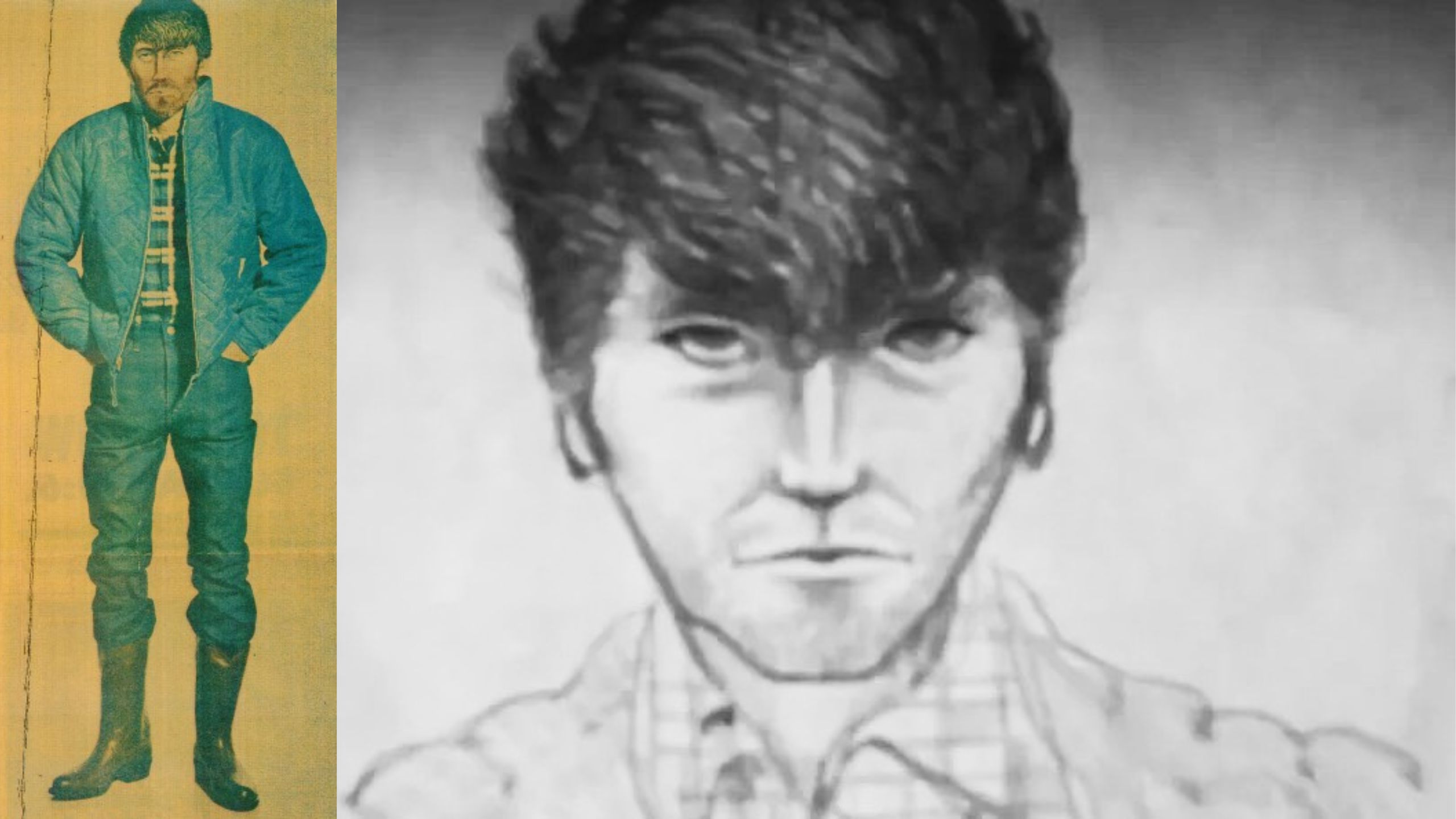
The suspect had a few petty crimes on his rap sheet, but nothing to obviously suggest the makings of a serial killer. The man claimed that he had been home the entire day of Michelle’s abduction, calling around looking for work. Authorities pulled the phone records and determined that someone at his address had indeed been calling various places of employment for most of the day, but as the suspect lived with relatives, it remained possible that another person in his house had been using the phone to cover for him while he was out. However, the individual—who has never been publicly named—passed a polygraph test, and was ultimately cleared of suspicion.
Another rather compelling suspect in the murders was a twenty-five-year-old firefighter named James Termini, who not only owned a beige-colored vehicle similar to the one described by witnesses, but also lived very close to the home of Michelle Maenza. Even more damningly, Termini was known to have committed at least fourteen sexual assaults on teenage girls between 1971 and 1973, earning him the nickname The Garage Rapist.
In fact, on New Year’s Day of 1974, more than a month after the murder of Michelle Maenza, Termini attempted to abduct a teenage girl at gunpoint, but abandoned his plan when his victim refused to stop screaming. Shortly afterward, he snatched another girl, but this time the police were in immediate pursuit, and Termini put a bullet into his own head rather than be taken into custody.
During a search of the offender’s car, white cat hairs similar to those found on the clothing of Wanda Walkowicz and Michelle Maenza were recovered, which would seem to suggest that Termini was indeed the man responsible for the murders. However, in 2007, his DNA was found not to match the DNA evidence collected from Wanda Walkowicz, though there was insufficient DNA in the cases of Carmen Colón or Michelle Maenza to make a comparison.
Investigators also looked into the possibility that either two or all three of the Alphabet murders had been committed by serial killer Ken Bianchi, more popularly known as the Hillside Strangler, who would later go on to be convicted of two murders in Washington that he perpetrated alone, and ten more in California that he committed in tandem with his cousin Angelo Buono.
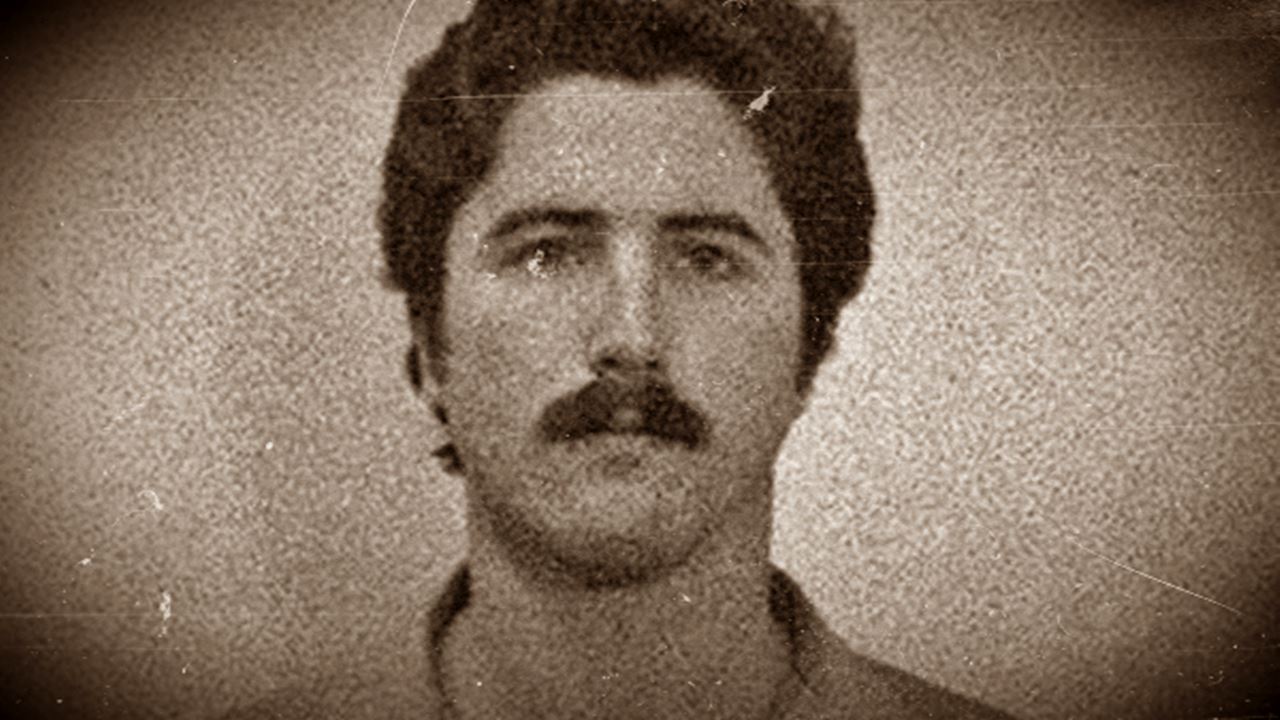
Bianchi originally hailed from Rochester, New York, and didn’t move to Los Angeles until 1977, when his infamous killing spree began. Though he mainly focused on slightly older victims, he did rape and strangle all of them, and three of the girls he murdered were under sixteen. In addition, Bianchi was known to drive a vehicle that closely resembled the one seen by witnesses in the latter two killings. Bianchi has repeatedly denied his involvement in the Double Initial murders.
Years later, the case would take an immensely peculiar turn. In 2011, a seventy-seven-year-old photographer named Joseph Naso was arrested in Reno, Nevada, suspected of a string of at least four slayings of sex workers that had taken place in California between the years of 1977 and 1994.

Not only was Joseph Naso originally from Rochester, New York, but all four of his known victims had first and last names that began with the same letter: Roxene Roggasch, Pamela Parsons, Tracy Tafoya, and, amazingly, Carmen Colón, a woman with the exact same name as one of the Rochester victims.
Even though there were many differences between the Rochester child murders and the later series attributed to Joseph Naso, some investigators speculated that this couldn’t all be simply a coincidence. True, Naso appeared to target older women involved in the sex trade, but it wasn’t completely unheard of for serial killers to alter their preferred victim profile over time. Authorities also found it suspicious that Joseph Naso kept a diary in which he hinted at several more victims, referring to them only by their geographical locations.
However, two other victims that Naso was later charged with killing—Shariea Patton and Sarah Dylan—did not have the telltale double initials, and several of the other victims detailed in Naso’s diary were never identified, so it was never established with any certainty whether Naso was selecting victims due to a quirk in their names. And when Naso’s DNA was later compared to the DNA profile extracted from the body of Wanda Walkowicz, there was no match, leading most detectives to surmise that the strange detail of the double initials had either been a copycat signature, or simply a weird coincidence after all. Joseph Naso was ultimately convicted of four murders in 2013, and as of this writing, sits on death row in Marin County, California.
To this day, controversy still exists over whether the 1971 murder of Carmen Colón was carried out by the same killer as the 1973 murders of Wanda Walkowicz and Michelle Maenza. The majority of investigators tend to lean toward the theory that Carmen was likely killed by her uncle, who fled to Puerto Rico shortly after her murder and owned a suspiciously clean car that matched the description of the vehicle that Carmen had been seen running from on the day she disappeared. As Miguel Colón committed suicide in 1991, it will likely never be certain whether he was responsible for raping and killing his niece.
And if Carmen Colón was indeed slain by a different perpetrator than Wanda Walkowicz and Michelle Maenza were, detectives speculate, then that makes it more likely that the fact of the alphabetical anomalies in the two cases were nothing but odd coincidences and not the signature of a serial killer at all.
In 2022, a twenty-one-year-old Rochester woman named Alexis Ortiz came forward and announced on social media that she believed her maternal grandfather—who she only met a handful of times before his death in 2020 and never had a meaningful relationship with—may have been the Alphabet Killer.
As evidence, she alleged that it had long been suspected in her family that he was responsible for the crimes, that he had owned a grocery store on Conkey Avenue, where Wanda Walkowicz was last seen, and was likely acquainted with the child, who may have done her shopping there. Further, Alexis states, her grandfather kept cats at the store to catch mice, possibly accounting for the cat hairs found on the victims’ clothing; and that at the time of Wanda Walkowicz’s murder, he may have owned a brown car similar to one whose driver was reportedly speaking to Wanda on the day she disappeared.
Alexis also found it suspicious that her grandfather supposedly was the first person to offer a reward after Wanda vanished, and was purportedly quick to announce that the body found on April 3rd was Wanda, even though police had not yet announced the victim’s identity.
She also added that in her opinion, her grandfather resembled the composite sketches of the man seen with Michelle Maenza the day she was murdered. Apparently, Ortiz’s grandfather was questioned by police at the time of Wanda Walkowicz’s slaying, but was subsequently dropped as a person of interest.
Alexis Ortiz’s aunt, the closest living relative of the man in question, contacted authorities in 2022, and gave investigators a sample of her DNA to compare with the DNA evidence from the Wanda Walkowicz case. As of this writing, the results of this comparison have either not been completed, or have not been released to the public.
The case of the Alphabet Murders remains an open wound in Rochester that locals and relatives of the victims hope will someday be healed.
 Crime Immemorial
One thought on “The Alphabet Murders, aka The Double Initial Killings”