
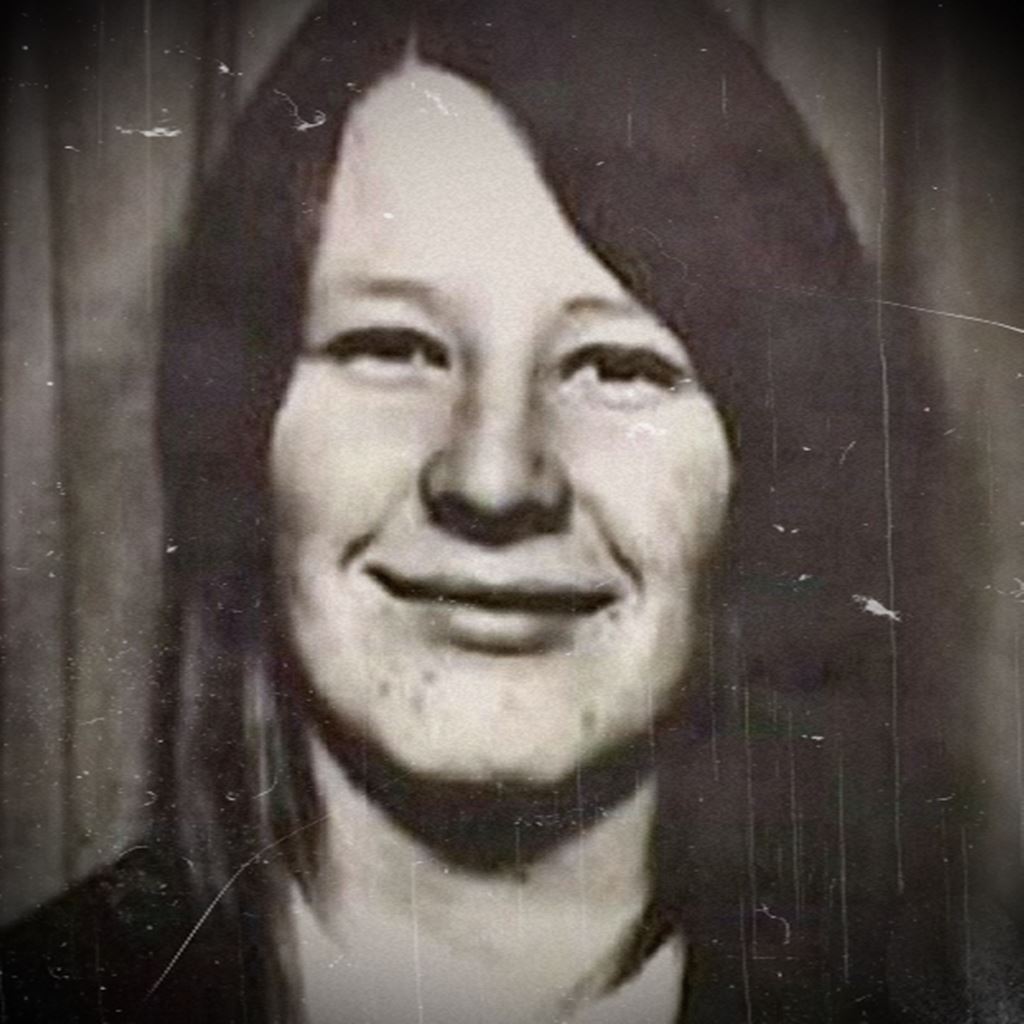
January 18th, 1974 was a Friday, and twenty-year-old Glenis Carruthers had driven from her home in Bedford down to Clifton, in Bristol, England, to attend the twenty-first birthday party of her friend, Sandra Hardyman. The party seemed to be in full swing by around ten o’clock, with more than three dozen people present in the Hardyman home, including several members of Sandra’s extended family.
But for some reason, at approximately ten-twenty p.m., Glenis left the party without telling anyone and set off into the night. Police later speculated that Glenis had perhaps slipped out because she felt uncomfortable that everyone else at the party was paired up, or maybe because she wanted to make a private call from the phone box nearby. Whatever the cause, Sandra Hardyman would soon become alarmed when a search of the house produced no sign of her friend.
The streets of Bristol were nearly pitch black, as an energy crisis spurred by a mining dispute had prompted city officials to implement rolling blackouts and cut the power to the streetlights back to half of their normal use. Despite the darkness, though, Glenis walked about a half-mile from the site of the party, and was seen near a phone booth close to the entrance of Bristol Zoo. It was here, authorities later theorized, that Glenis met her killer.
Witness Alf Elliott, a zookeeper by profession who happened to be out walking his dogs, spotted a man and a woman in the grass, and at first thought that he had encountered an amorous couple. However, the male half of the “couple” then got to his feet, leaving the woman lying on the ground. Alf deemed this suspicious, and called out to the man, but the assailant melted back into the shadows. Alf immediately contacted the police, but due to the darkness, he wasn’t able to give a very detailed description of the individual, stating only that he was white, between twenty and thirty years old, stood about five-foot-ten, and had a great deal of hair which partially hid his face. He was also clad in a knee-length coat.
When investigators arrived, they found Glenis Carruthers dead where the man had left her. She was fully clothed, though barefoot, and had not been sexually assaulted. In fact, there were no signs of struggle or violence on her body whatsoever, save for a tiny abrasion on her throat which led police to believe that she had been strangled.
The only other clue found at the scene was a small shank broken off a pair of glasses. Detectives surmised that the glasses had likely belonged to Glenis’ killer, and visited every optometrist in Britain during the course of the investigation, but the clue ultimately produced no leads.
The murder inquiry was one of the largest ever undertaken in Bristol up to that point, but in spite of thousands of interviews and man-hours, authorities struggled to come up with a single suspect, and eventually the trail went cold. The investigation was reopened in January of 2010, and Bristol police are hoping that better DNA technology and new media attention will finally bring the case to a close.
 Crime Immemorial