
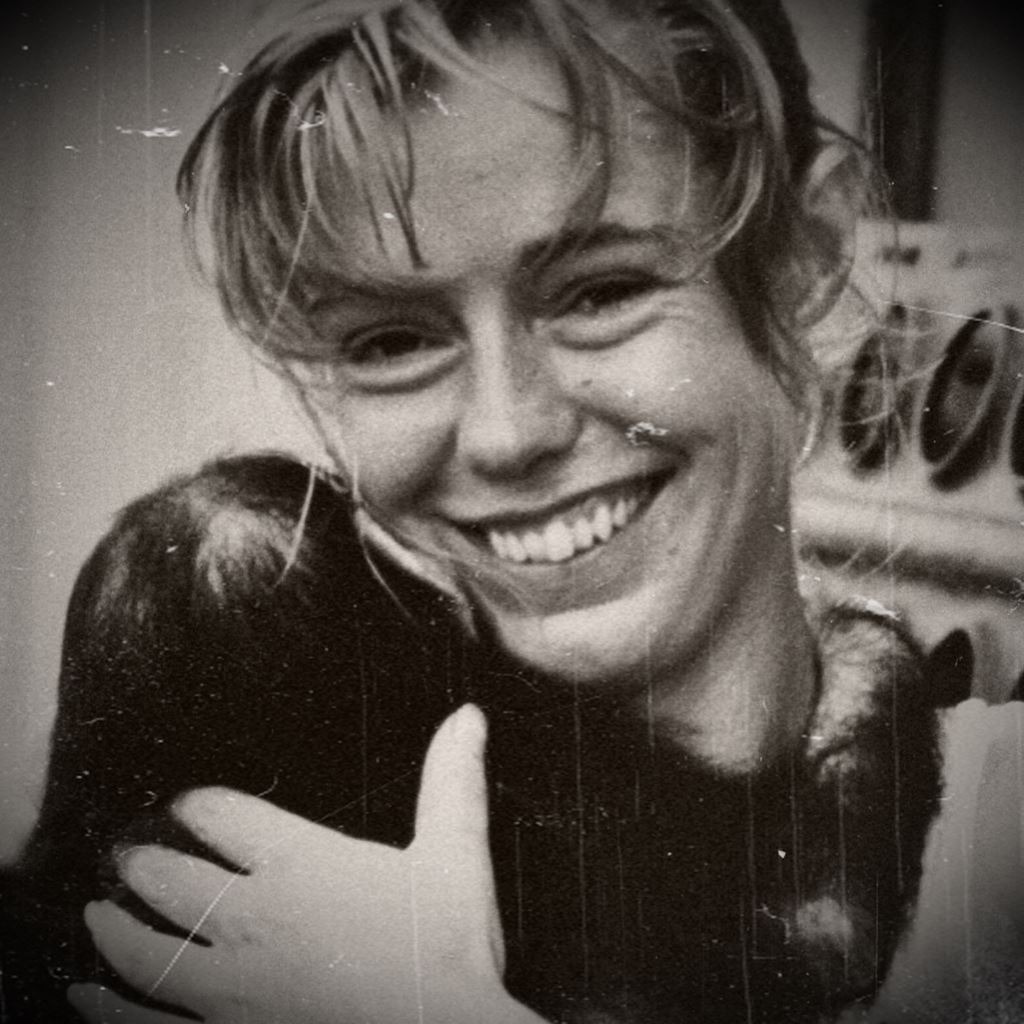
As the autumn of 1988 approached, a young English woman with a passion for photography and adventure would be brutally cut down while on an African safari.
Twenty-eight-year-old Julie Ward worked for a publishing company in Suffolk, England, but had always dreamed of trekking across the Serengeti and capturing the majesty of nature with her camera. In February of 1988, she had finally taken the plunge, securing an extended leave of absence from her job and booking a seven-month trip to Kenya.
She had spent most of her holiday in the capital of Nairobi, but at the start of September, she decided to journey to the Maasai Mara game reserve in order to photograph the annual Great Wildebeest Migration, a breathtaking natural spectacle which saw thousands of zebras, gazelles, and wildebeest making their way across Tanzania. She set out on September 5th, accompanied by her Australian friend, Dr. Glen Burns.
Not long afterward, though, the pair’s jeep broke down and the trip had to be postponed somewhat. Glen went back to Nairobi, but Julie stayed at the Mara Serena Safari Lodge overnight while the vehicle was undergoing repairs. The next day, she picked up the jeep, drove to the nearby Sand River Camp where she and Glen had been staying, and picked up their things.
After that, Julie Ward disappeared, and her gruesome fate would not be revealed until a week later. By the 13th of September, Julie Ward’s father John had joined the search party that had formed to find his missing daughter. Horrifically, it was John Ward himself who would actually stumble upon what was left of the vibrant young woman.
Situated near a large tree on the Maasai Mara game reserve lay a charred human leg and a jawbone, as well as a few other burned human body parts. Following the recovery of Julie’s body, Kenyan authorities attempted to classify the death as a tragic accident, claiming that Julie had perhaps been struck by lightning and partially eaten by a lion (not necessarily in that order), but after a British pathologist was brought in to examine the remains, it was concluded that Julie had actually been cut apart with a machete and then set on fire with gasoline.
Though the case for homicide was fairly airtight, the government of Kenya was still reluctant to concede, trying to essentially sweep the murder under the rug by arguing that Julie had actually committed suicide. A large portion of their reticence could be attributed to public relations; they didn’t want to publicize anything that would negatively impact their enormous tourism industry.
Julie’s father, however, wasn’t going to let the matter rest, and he spent a great deal of his own money traveling back and forth to Kenya and petitioning politicians in the United Kingdom, as well as Scotland Yard, to keep the investigation alive.
Eventually, two Maasai Mara park rangers were arrested and charged with the murder, but both were acquitted at trial. Later on, even the head warden of the game reserve, Simon Makallah, was arrested and placed on trial, but was likewise found not guilty.
In 2004, a female witness came forward and claimed that three men on the reserve had gang-raped and murdered Julie Ward, burying most of her body at an undisclosed location before leaving the rest of the remains where they were found beneath the tree, in order to throw off authorities as to where the killing had actually taken place.
The case stagnated there until 2018, when it turned up in the media again, with John Ward pressing the police to obtain a DNA sample from an unidentified suspect. Since that time, there have been no new developments.
 Crime Immemorial