
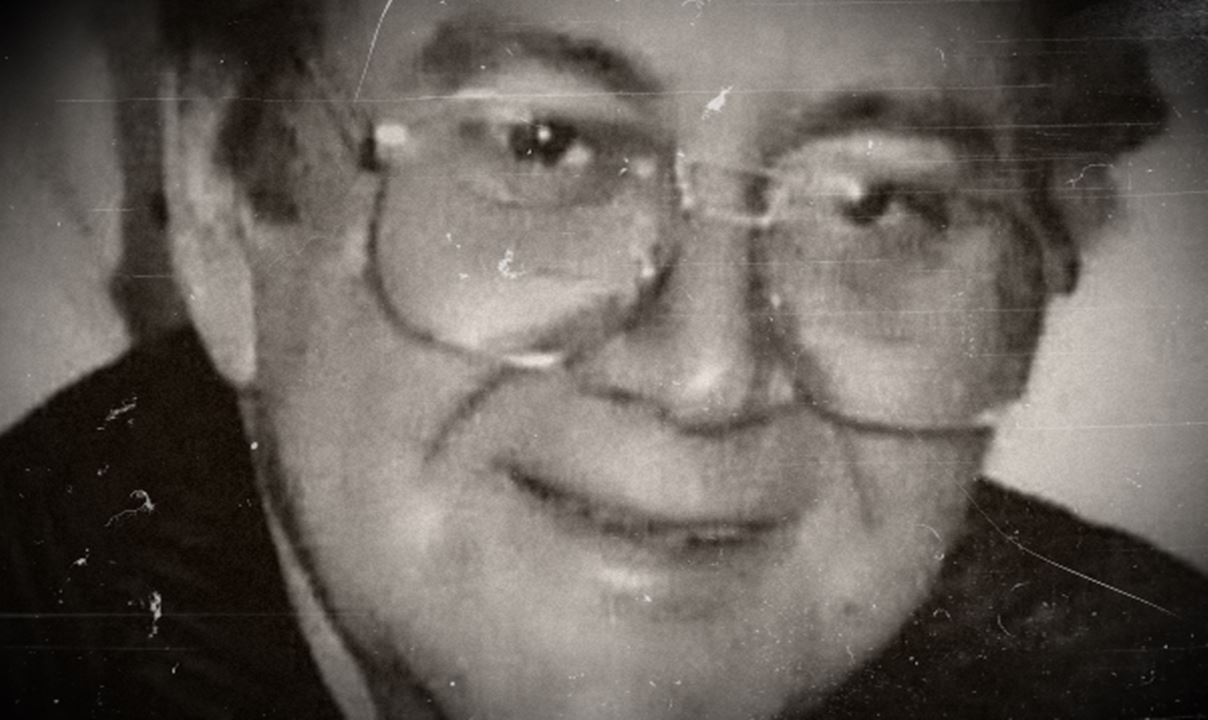
Irving Sicherer, better known as Al, was originally from Brooklyn, New York, but moved to Miami Beach, Florida with his wife and adopted son in 1967; the couple had another child three years later. Al was in catering, and worked as a maître d’ at the upscale Tides Hotel for many years.
It seems, though, that Al had been living a lie, as many gay men of the time period were forced to do. After the death of his wife from a heart attack in 1995, Al decided to make up for lost time, and began living a new life in Miami, frequenting the city’s gay bars, staying out until all hours, drinking and partying heavily, and bringing home young men. Al had also suffered a heart attack in the late 1990s that required surgery, but he didn’t seem to have let his health slow him down one bit.
In July of 2001, Al was seventy-six years old, and lived in a sixteenth-floor condominium in Aventura. On the afternoon of the 23rd, he was seen on a surveillance camera coming out of a Publix grocery store, accompanied by a dark-haired young man with a strange, hunched gait and a tattoo or birthmark on his upper right arm. The two men had purchased some beer, and both were seen shortly afterward, entering Al’s condo. It was the final time Al was seen alive.
Two days later, Al’s daughter Beverly came by her father’s residence, since she hadn’t heard from him and was beginning to worry. Once inside, she came across an unbelievably savage crime: Al Sicherer had been stabbed and beaten to death, and the walls of the condominium were awash in blood.
The murder weapons appeared to be a kitchen knife, a heavy piece of decorative rock crystal, and a bronze statue, the latter two of which had been used to bash in the victim’s head. The condo appeared to have been ransacked, but the crime seemed far too vicious to be a simple robbery gone wrong.
The frenzied nature of the murder gave investigators a lot of physical evidence to work with, including several fingerprints, a clear shoe print in blood, and DNA evidence obtained from a partially smoked cigarette and a half-emptied bottle of Heineken. Additionally, the surveillance footage captured of Al and his probable killer was clear enough that the suspect’s face could be quite easily seen.
Two days after the discovery of Al’s body, police thought they might have their man: a nineteen-year-old named Adam Ezerski, who bore a strong resemblance to the man seen with Al Sicherer, had murdered a gay man in Fort Lauderdale, and was subsequently collared in Reno, Nevada after a massive manhunt. It seemed a slam dunk, but it turned out that Ezerski was not the killer of Al Sicherer, as neither the footprint nor the fingerprints from the crime scene matched.
Years later, in 2006, there was another promising development when it came to light that a partial DNA match had been found with an unnamed prison inmate in Michigan; crime lab technicians surmised that this prisoner might be the killer’s half-brother.
However, because of laws concerning privacy in cases of partial DNA matches, it appears that this lead was stymied at every turn.
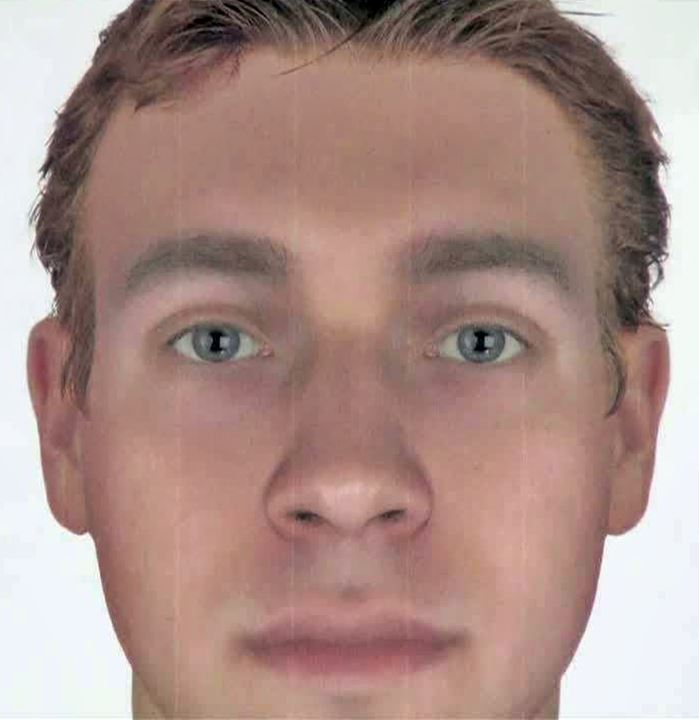
Aventura police, who have been dogged in their attempts to resolve the city’s only unsolved homicide, generated a new “sketch” of the perpetrator in 2017, this time using his DNA profile to produce a visual representation of what the man probably looks like; the technology is known as the Snapshot Forensic DNA Phenotyping System. According to this genealogical portrait, the killer is most likely fair-skinned with no freckles, with blond to light brown hair and either light blue or light green eyes. His ancestry is northeastern European, possibly Hungarian or Polish.
The sketches, as well as the surveillance videos taken in 2001, have been widely circulated in the media in the hopes that someone will recognize the murderer and come forward to identify him.
 Crime Immemorial