
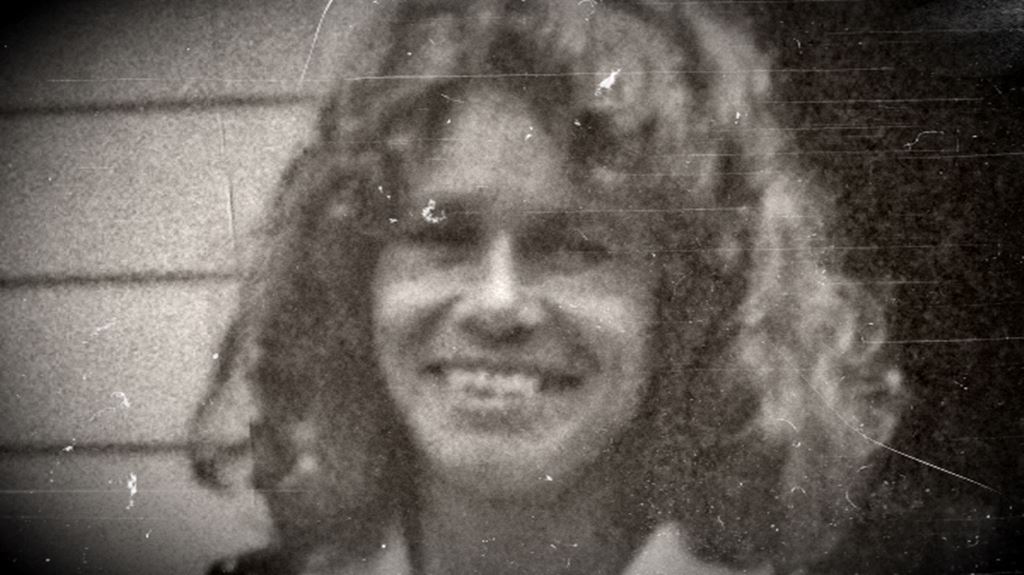
Thirty-eight-year-old Lois Roberts was a vivacious, independent woman, the daughter of a pastor and Aboriginal activist. At the age of twenty-one, Lois had been involved in a devastating car accident that had left her brain-damaged, but with therapy, she had managed to recover enough to resume a relatively normal life, living on her own in Lismore, New South Wales, Australia, and eventually giving birth to two children, who were raised by her mother and her twin sister Rhoda.
At around five-thirty p.m. on July 31st, 1998, Lois was seen on the street outside the police station in Nimbin, evidently trying to thumb a lift home to Lismore. Witnesses reported seeing her climbing into a white car, and after that, she mysteriously vanished without a trace.
In January of 1999, more than five months later, a bushwalker making his way through the Whian Whian State Forest near the village of Dunoon happened upon the remains of thirty-eight-year-old Lois Roberts, last seen hitchhiking in front of a police station in Nimbin in late July of 1998. Her body was bound with electrical cord, and an autopsy suggested that the victim had been held captive, raped, and tortured for a substantial period of time, possibly as long as ten days, before she was killed.
It appears that very little progress has been made into the murder of Lois Roberts in the years since it took place. Authorities seem to have pursued the possibilities that Lois was slain by someone who was obsessed with her twin sister Rhoda Roberts, a well-known television presenter; or that she might have been the victim of an unknown serial killer also believed to be responsible for several other murders in the Northern Rivers area that occurred in around the same time period. Some investigators have even speculated that Lois was threatening to expose a pedophile ring in the region and was silenced to prevent her accusations from coming out.
Whatever the case, the homicide investigation remains open and unresolved. In 2006, a documentary called A Sister’s Love, directed by Ivan Sen and featuring Rhoda Roberts, was released, and was part of a wider call by the public for Australian law enforcement to take crimes against indigenous people more seriously.
 Crime Immemorial