
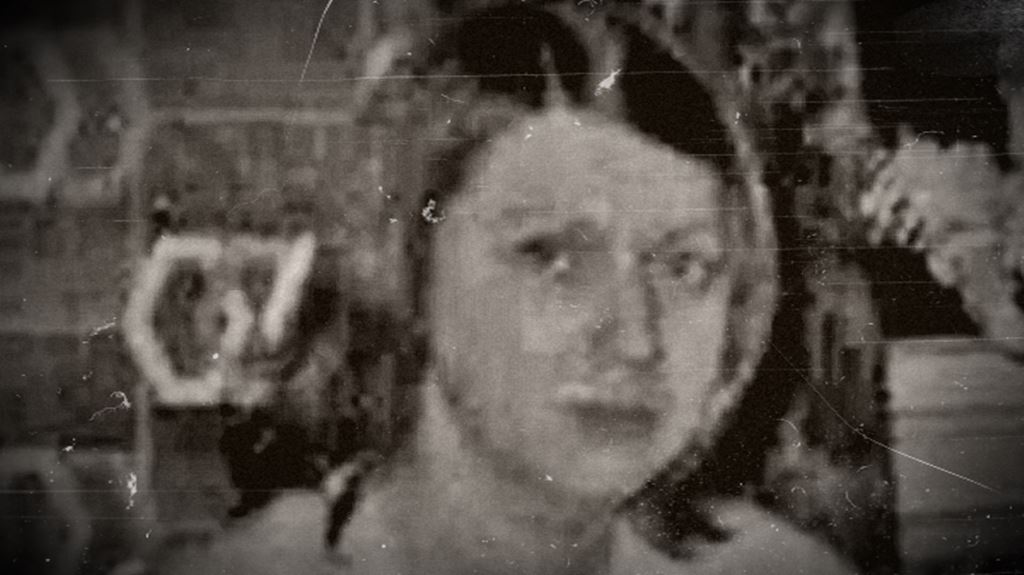
Seventeen-year-old Dorothy Leyden had spent the evening of April 24th, 1971 at the Golden Garter nightclub in south Manchester. She and her friends had been watching a concert by American Motown singer Jimmy Ruffin, and while enjoying herself in the front row, Dorothy had even caught a towel that Ruffin had tossed into the crowd after he used it to wipe the sweat from his face.
After the show was over, Dorothy and her companions shared a cab, though Dorothy got out of the taxi at around two-thirty a.m. at the Piccadilly Gardens bus station. She was presumably going to walk the rest of the way home, to save the extra fare. The decision would ultimately prove to be fatal.
Several hours later, on the early morning of April 25th, officers came across the body of Dorothy Leyden, lying on a patch of waste ground behind a pub in Collyhurst called the Spread Eagle. She had been raped, and bludgeoned to death with a brick. In her purse, investigators found the towel she had caught at the concert on the previous night.
From the beginning, the inquiry was fraught with difficulties. It seemed that no one had seen or heard anything that would help track down the killer, and all police knew about him was that he was likely between twenty and twenty-five years old.
As the investigation continued, it was suspected that Dorothy might have been a victim of serial killer Trevor Hardy, otherwise known as the Beast of Manchester, who in 1977 was convicted of murdering three teenaged girls in the area, crimes which had begun in 1974.
Hardy was, in fact, considered the most likely culprit until 2008, when new DNA tests cleared him of Dorothy’s murder. The DNA profile collected from Dorothy Leyden’s remains has been entered into the nationwide database, but as of this writing has produced no matches.
In 2016, the inquiry was jump-started again after being featured on the UK’s Crimewatch program. Authorities are still hopeful that the slaying will ultimately be solved.
 Crime Immemorial