
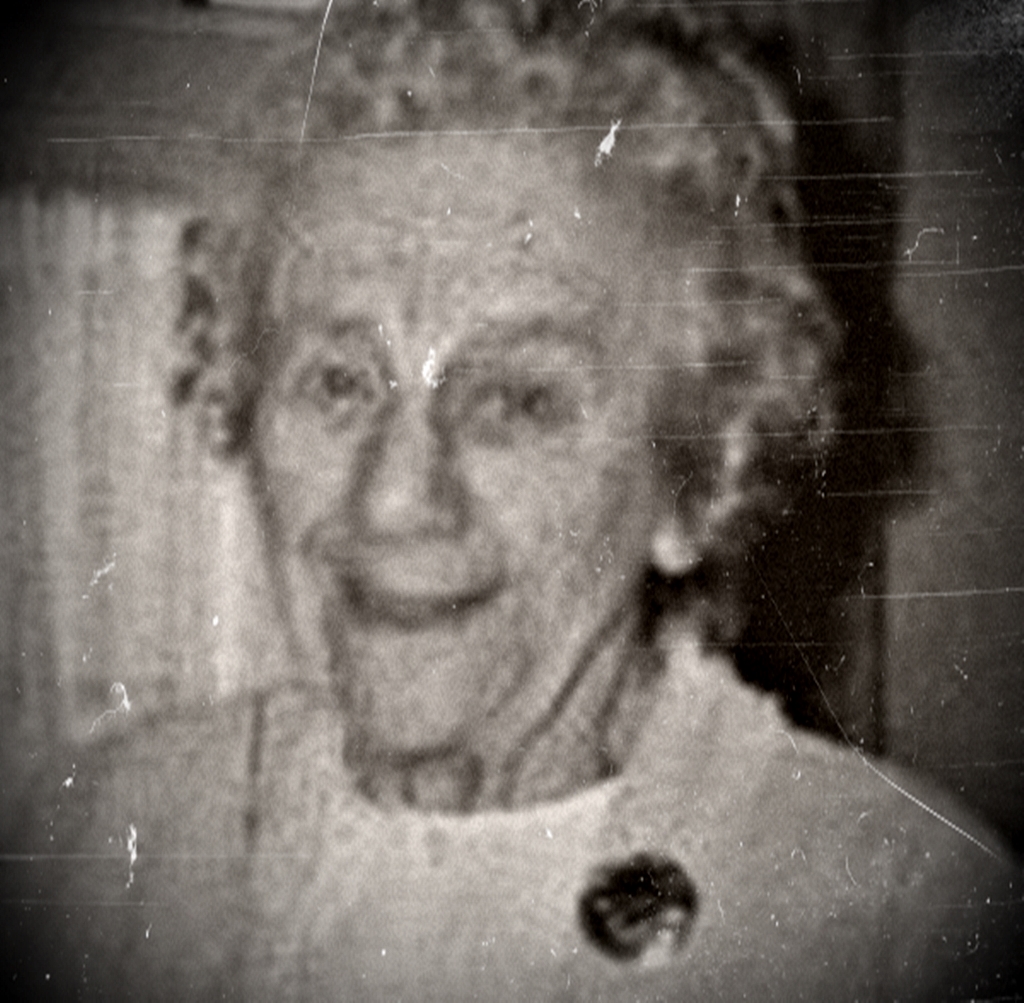
Ninety-four-year-old Dorothy Wood had lived in her home on Whitby Avenue in Fartown, Huddersfield, West Yorkshire for sixty years. Her home had been robbed twice, once in 1993 and once in 1996, and though she’d had a burglar alarm installed, she usually turned it off because she kept accidentally triggering it.
At around seven-thirty p.m. on the evening of May 6th, 1996, Dorothy’s care nurse left the elderly woman’s home as usual after getting her ready for the night. This was the last time that Dorothy was seen alive.
The following morning at eight-twenty p.m., Dorothy’s friends arrived to cook breakfast for her, but instead found the woman dead in her bed. She had been smothered with a pillow.
Though police initially believed this was another burglary gone wrong, it was later determined that only £10 was missing, leaving the motive for the crime somewhat mysterious.
Two years later, a man was convicted of the murder on the sole evidence of an ear print found on a window of Dorothy’s house. This was the first case of an ear print being used as forensic evidence in a homicide investigation, and as such it wasn’t without controversy. In 2002, the man’s conviction was overturned when it was determined that the ear print could not definitively be proven to belong to him. Later DNA evidence confirmed that the convicted man had not been the perpetrator.
Authorities stated that the DNA did not clearly implicate anyone else, and they were closing the case until more evidence materialized. The murder of Dorothy Wood, therefore, remains unsolved as of June 2024.
 Crime Immemorial