
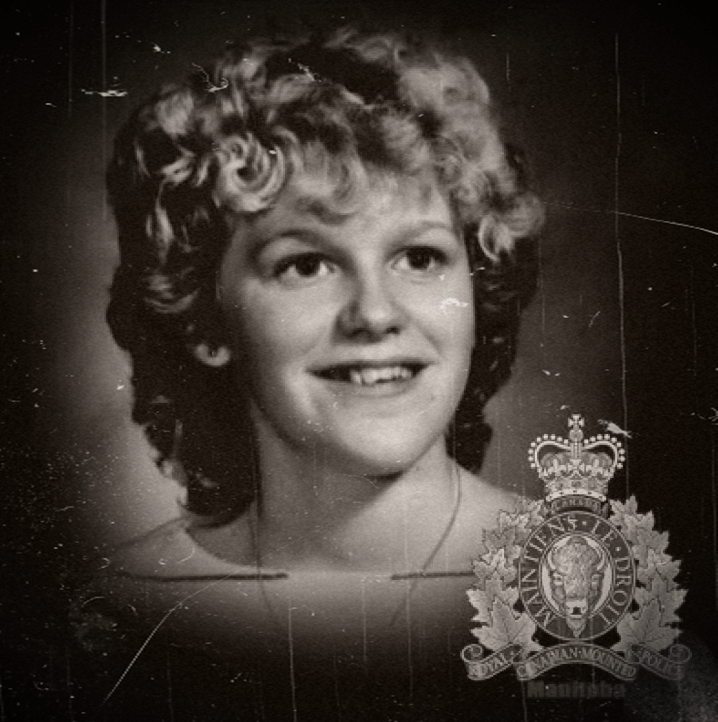
Fifteen-year-old Kerrie Ann Brown was described by family and friends as kind-hearted, independent, and artistic. She lived with her family in Thompson, a mining city in northern Manitoba, Canada. Kerrie was passionate about horses and nature, and she had dreams of becoming a veterinarian. She was known for her strong-willed personality, a sense of justice, and fierce loyalty to her friends.
At the time of her death, she was a student at R.D. Parker Collegiate and part of a close-knit group of teenagers in the community.
On the evening of October 16th, 1986, Kerrie attended a small house party hosted by a friend. She had arrived with her best friend and left the party briefly around eleven p.m. after an argument. According to reports, Kerrie said she was stepping outside but never returned. Initially, her friends thought she may have walked home or gone to cool off. But when she didn’t appear the next morning, concern set in.
Her family reported her missing soon after. A search was quickly organized, but the worst fears were realized two days later.
On October 18th, Kerrie’s body was found in a wooded area approximately ten miles west of Thompson, near a rural horse stable she often visited. She had been sexually assaulted and brutally beaten, and her body had been left in the bush, partially clothed and showing signs of a prolonged and violent struggle.
The location where her body was discovered was remote and accessible only by gravel roads, suggesting the perpetrator was familiar with the area. Police determined that Kerrie had likely been killed within a few hours of her disappearance.
The Royal Canadian Mounted Police (RCMP) launched an intensive investigation. Dozens of individuals were interviewed. Tire tracks, footprints, and other physical evidence were documented from the scene. In the weeks that followed, Thompson was awash in speculation and fear. The murder of a teenage girl in a quiet community shocked residents and created a climate of anxiety.
In 1987, a teenage acquaintance of Kerrie’s—seventeen-year-old Raymond Cormier—was arrested and charged with her murder. However, the charges were soon dropped due to lack of evidence, and Cormier was released. The case then grew cold.
For decades, Kerrie Ann Brown’s murder remained unsolved. Despite occasional tips and new leads, no one was ever convicted. Over the years, frustration mounted, especially among Kerrie’s family members, particularly her brother, Trevor Brown, who became an outspoken advocate for justice.
In the early 2000s and again in the 2010s, the case saw renewed attention as police revisited old files with new forensic techniques. DNA analysis was conducted on previously collected evidence, but investigators have never publicly confirmed whether a viable suspect DNA profile was obtained.
In 2018, CBC Manitoba journalist Tim Fontaine and producer Brittany Hobson released a podcast titled Someone Knows Something: Kerrie Ann Brown, which focused on the case. The podcast reignited public interest and brought new attention to inconsistencies in the investigation, unexamined suspects, and potential mishandling of evidence.
Listeners were shocked to hear of possible miscommunication between investigators and overlooked witness accounts. The podcast also prompted new witnesses to come forward, although no charges followed.
Given the location of the body and Kerrie’s familiarity with the area, it’s widely believed she was killed by someone who knew her, potentially someone in her social circle or community. Though some investigators briefly considered the possibility of an opportunistic attack by a stranger, this hypothesis has never been strongly supported by evidence.
The RCMP’s Historical Case Unit continues to treat Kerrie’s murder as an open investigation. Police have stated that advances in forensic science, including DNA and trace evidence technology, might still yield results if new or corroborating evidence emerges.
 Crime Immemorial