
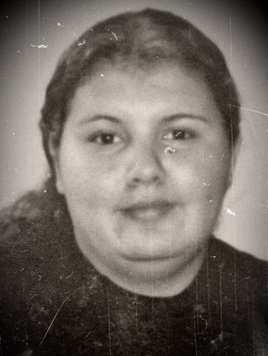
Twenty-four-year-old Melanie Dawn Geddes was a mother of three daughters—Tiara, Katie, and Chloe—who was born in Lestock, Saskatchewan, and was a member of the George Gordon First Nation. She moved to Regina, where she worked hard to support her young family and had recently landed a new job.
On the night of August 12th, 2005, Melanie attended a house party on Robinson Street in Regina, joined by her sister. Her children were being cared for at home by her mother. At around one a.m. on August 13th, she started walking the four‑block journey home—but never arrived.
When Melanie hadn’t returned home by later that morning, her husband Eric Cleveland and family became very concerned. They reported her missing to the Regina Police Service the next day. What followed was weeks of ground searches, missing posters, and growing anxiety as time slipped by without news.
Months later, on December 20th, 2005, horseback riders discovered skeletal remains in a field along the Qu’Appelle River valley, southeast of Southey and approximately twenty-two miles north of Regina. The remote location was on haying land near Piapot First Nation.
RCMP Major Crimes investigators took over the inquiry. On February 1st, 2006, DNA testing confirmed the remains were indeed those of Melanie Geddes. Authorities acknowledged her death was a homicide, but disclosed little about the cause or any leads. To this day, no cause of death has been publicly released, and no suspects have been identified.
The case resonated deeply within Indigenous and Regina communities. The Saskatchewan Aboriginal Women’s Circle Corporation, the Saskatchewan First Nations Women’s Commission, and the Federation of Saskatchewan Indian Nations all issued statements of support, expressing concern over the broader epidemic of violence against Indigenous women. In 2005, the province heightened its focus on missing and murdered Indigenous women by creating a task force and adding resources to tackle such cases.
Despite extensive media attention following the body’s discovery, the investigation has gone cold. By late 2006, the RCMP had been reviewing Regina Police work and gathering evidence, but it had offered no significant updates. In 2008 and again in 2015 and 2016, renewed appeals were made for public tips, but no arrests followed.
As of 2025, the case remains an unsolved homicide listed among numerous unresolved murders of Indigenous women in Canada. No suspect has ever been publicly named or prosecuted.
 Crime Immemorial