
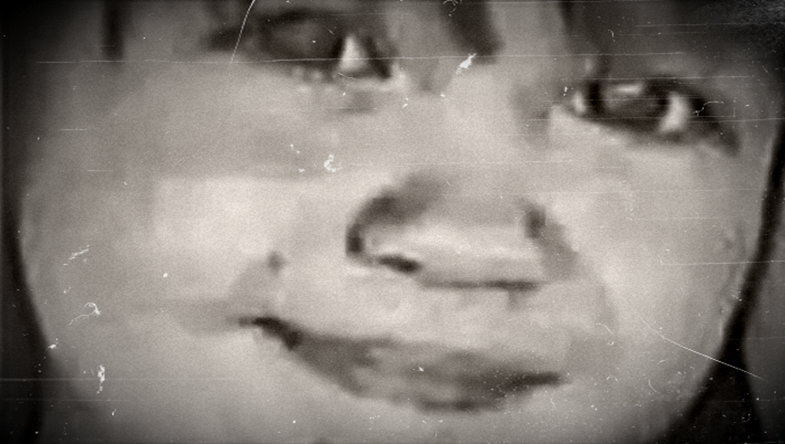
On the evening of September 30th, 2011, the Dobson family—mother Stacey Catch, stepfather Terry Webb, two-year-old Isobel Dobson, and her one-year-old half-sister Sarah—were visiting Hessle Farm, a property near Wragby in West Yorkshire, England.
While the family was tending to a horse, a fire ignited in a nearby hay barn and quickly spread to the family’s van. It was inside this van that both children were trapped. The adults managed to rescue Sarah, but attempts to free Isobel were tragically unsuccessful.
The fire escalated swiftly: firefighters recorded flames reaching more than 160 feet high, dispatched around 100 personnel, and utilized ten fire engines to tackle the blaze engulfing three barns and the van.
West Yorkshire Police, assisted by the Fire & Rescue Service, launched a joint investigation, treating the blaze as suspicious from the outset. Authorities arrested Isobel’s stepfather, Terry Webb, on suspicion of murder and attempted murder. He was subsequently released on bail.
By October 2011, detectives had also traced and interviewed three witnesses seen in footage near the farm shortly after the fire started, hoping to piece together a timeline.
The inquest held at Wakefield Coroners Court concluded with a narrative verdict. Coroner David Hinchliff ruled that the fire had been deliberately set in the hay barn, using a naked flame and accelerant.
Although there was no conclusive evidence naming the culprit, he found it “probable” that Terry Webb might have started it—allegedly to play the hero and rescue the girls. Webb had a criminal record for deceit, and the coroner described him as a “pathological liar.” Further, Webb admitted to having a lighter and a can of gasoline in the van.
Mr. Hinchliff emphasized there was no evidence indicating intent to harm the children. However, the tragic plan to save them had backfired.
No criminal charges ultimately followed. The Crown Prosecution Service reviewed the case but chose not to pursue prosecution as it felt there was no reasonable expectation of a conviction.
West Yorkshire’s cold-case team continues to review the evidence, but as of 2025, the case remains unresolved.
 Crime Immemorial