
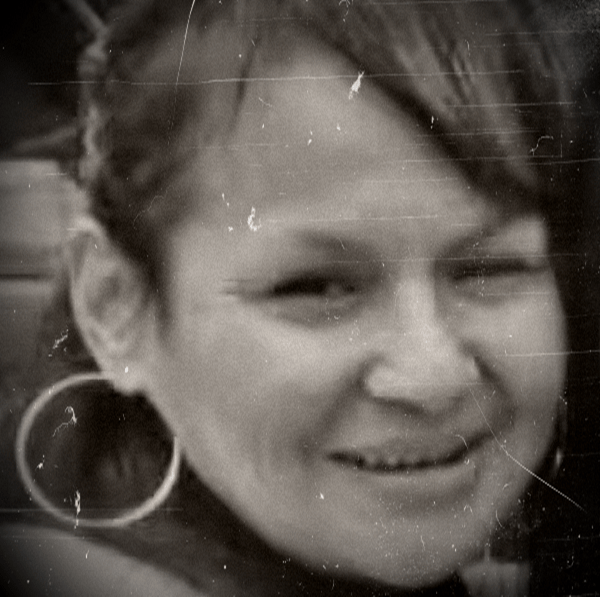
Thirty-six-year-old Bernadine Quewezance was by all accounts an extremely intelligent, outgoing, happy young woman, the devoted mother to five children. Originally hailing from the Yellow Quill First Nation, in 2012 she was living with friends in Saskatoon, Saskatchewan.
On January 2nd, 2012, a call came in around nine forty-five a.m. to Saskatoon RCMP. A woman out walking her dog along a service road off Highway 16 spotted what appeared to be a human form lying in a ditch, partially obscured by snow. The death appeared recent, with no signs of prolonged exposure to the elements.
Within hours, the Saskatchewan RCMP Major Crimes Unit took the lead, supported by forensic identification teams and canine units, and the victim was quickly identified as Bernadine Quewezance. Foul play was immediately suspected, and by January 3rd, authorities classified the case as a likely homicide—potentially Saskatchewan’s first murder of 2012.
Investigators canvassed the area, appealing for witnesses who might have seen anything unusual along the busy highway corridor. Yet, as the weeks turned to months, the trail grew cold. No arrests were made, and specifics about the cause of death—whether blunt force trauma, strangulation, or something else—were withheld to protect the integrity of the inquiry.
Details of Bernadine’s final hours remain shrouded in mystery. Police have not publicly disclosed her last known movements or any leads that might connect her to the remote location where her body was found. The area, described by RCMP spokespeople as “well-travelled,” offered little in the way of immediate clues, and the winter conditions likely complicated the scene.
Sadly, the case is not an isolated one. Bernadine’s death fits into a heartbreaking pattern documented by the National Inquiry into Missing and Murdered Indigenous Women and Girls, which in 2019 labeled the crisis a “genocide” rooted in colonialism, racism, and systemic failures. In Saskatchewan alone, Indigenous women are highly disproportionately represented among homicide victims, often facing barriers to justice due to underfunded investigations and jurisdictional gaps between urban police and RCMP.
Although there were renewed calls for tips in 2023 and 2024, as of 2025, Bernadine Quewezance’s murder remains unsolved.
 Crime Immemorial