
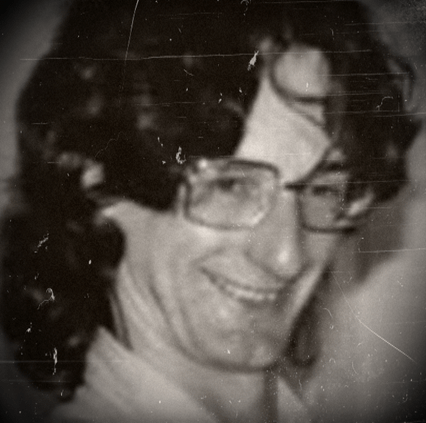
Thirty-eight-year-old scientist Nicholas Hanscomb had been born in Bolton, Greater Manchester, England, and was the son of prominent local Conservative politician John Hanscomb, a former leader of Bolton Council. Nicholas had excelled academically, earning PhDs in physics and biology and carving out a career in scientific research. At the time of his death, he lived in Highgate, North London, and was working on groundbreaking research into tinnitus, the debilitating condition causing persistent ringing in the ears. Some accounts also credit him with contributions to early DNA testing techniques.
Described as intelligent and dedicated, Hanscomb was part of a religious sect, details of which remain sparse in public records, and on August 25th, 1991, he attended the Notting Hill Carnival, one of Europe’s largest street festivals celebrating Caribbean culture, with fellow members of the sect.
The 1991 Notting Hill Carnival was, by most measures, one of the most peaceful in its history. Attracting around a million attendees over the August bank holiday, it featured vibrant music, colorful parades, and elaborate costumes. Only about fifty-five crimes were reported across the event, including four stabbings and around sixty arrests, which was a significant drop from previous years.
Nicholas and his group were following the sound system float as it departed the main carnival route in Notting Hill, heading toward Fernhead Road in nearby Maida Vale, approximately two miles from the festival’s core area. Around ten fifteen p.m., an argument erupted between Nicholas and a group of youths near the float.
Witnesses later described how six young Black men, aged between sixteen and twenty, suddenly surrounded Nicholas. In a flash, one produced a large, Rambo-style survival knife with a six-inch blade and plunged it into Nicholas’s groin or thigh (accounts vary slightly on the precise location). The wound severed a femoral artery, causing catastrophic blood loss.
Bleeding profusely, Nicholas staggered about a hundred yards before collapsing into the arms of a police officer. He was rushed to St Mary’s Hospital in Paddington, where doctors fought for hours to save him. Tragically, he succumbed to his injuries not long after midnight.
The Metropolitan Police launched an immediate manhunt, appealing for witnesses and describing the suspects as a gang of Black youths involved in the preceding argument. Detectives also sought a Black woman aged eighteen to twenty-five with bobbed hair, wearing a distinctive black-and-white diagonally striped lycra cycling outfit, who had been seen nearby and might hold vital information. Three women eventually came forward, but none provided the breakthrough needed.
Despite extensive inquiries, including tips from a mysterious caller who arranged but failed to attend meetings with police, no one was ever charged. Later statements from investigators revealed frustration: they believed they had identified the perpetrators but lacked sufficient evidence or willing witnesses to secure convictions. Fears of reprisals among potential informants reportedly hindered progress. As of the early 2000s, the case file remained open, with police insisting any new information would be pursued.
Local councilors and carnival organizers pushed back against linking the murder directly to the event, noting the distance from the main festivities and arguing it was unfair to burden the Caribbean community with responsibility for an isolated incident on the fringes.
Nicholas’s father, John Hanscomb, a Bolton councilor, was devastated. In the years following, he occasionally criticized the policing of the carnival, particularly what he saw as overly permissive approaches. The family marked painful anniversaries privately, and the case resurfaced in media on its tenth anniversary in 2001, when police reiterated their commitment to solving it.
The murder of Nicholas Hanscomb joined a somber list of fatalities associated with Notting Hill Carnival over the years, including stabbings in 1987 and multiple deaths in 2000. While the event has evolved with heavier policing, often costing millions and involving thousands of officers, it continues to face scrutiny over violence, even as organizers and attendees celebrate its cultural significance.
More than thirty years later, in 2025, the killer—or killers—of Dr. Nicholas Hanscomb has never faced justice.
 Crime Immemorial