
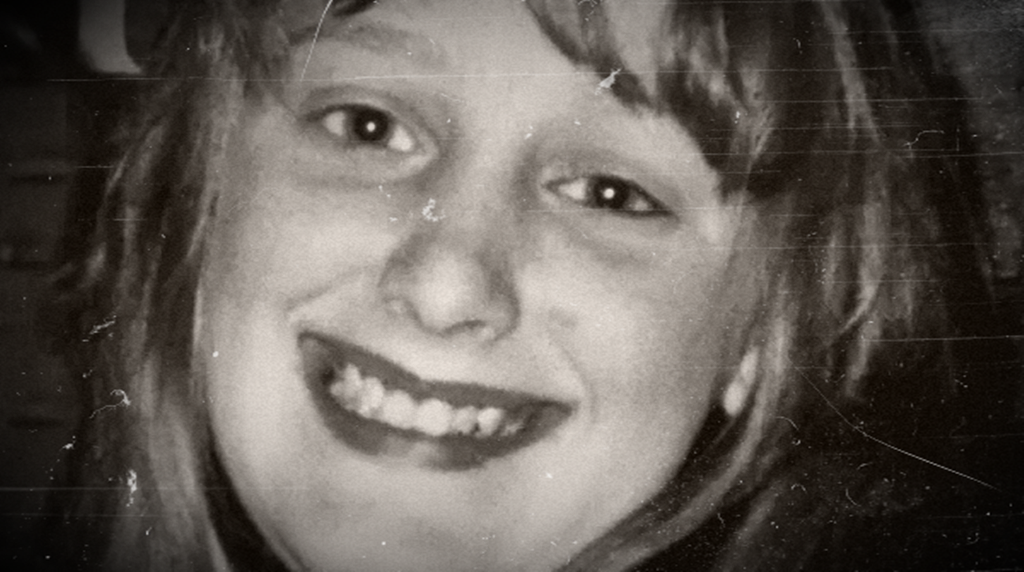
On November 1st, 2003, fourteen-year-old Charlene Elizabeth Caroline Downes vanished from the streets of Blackpool, England. More than twenty-two years later, her case remains one of Lancashire Police’s longest-running unsolved murder investigations, with no body ever recovered and no convictions secured.
Charlene was last seen on CCTV around eleven p.m. that Saturday night on Talbot Road in Blackpool’s town center, after spending time with friends near the North Pier and Carousel Bar. She had kissed her mother goodbye earlier that evening, promising to return home soon. She never did.
Charlene came from a troubled background. Her family was known to social services, and she had a history of truancy from St. George’s School. By age fourteen, she was frequently absent from home, associating with older individuals in Blackpool’s nightlife scene. Police later revealed that Charlene was one of approximately sixty local girls—some as young as eleven—being sexually exploited through “localized grooming.” Young girls were reportedly plied with food, alcohol, cigarettes, and affection by men working in fast-food takeaways in exchange for sexual acts.
Initially treated as a runaway, her case was reclassified as a murder inquiry in 2006 when evidence suggested she had been killed shortly after her last sighting.
The police investigation uncovered widespread child sexual exploitation in Blackpool, centered around takeaway shops. In 2007, two men—Iyad Albattikhi, owner of a local food outlet, charged with murder, and Mohammed Raveshi, charged with helping dispose of the body—stood trial at Preston Crown Court.
Prosecution allegations included lurid claims that Charlene’s body had been dismembered and mixed into kebab meat, fueling sensational media coverage that dubbed her the “kebab girl.” However, the jury failed to reach a verdict in 2007. A retrial was ordered but collapsed in 2008 due to serious flaws in the police evidence, particularly unreliable covert audio recordings and mishandling of surveillance material.
An Independent Police Complaints Commission (IPCC) review in 2009 identified a “catalogue of errors” by Lancashire Constabulary, leading to disciplinary action against officers, including one forced to resign. The accused men were acquitted, later receiving compensation for wrongful imprisonment. Police have since debunked the “kebab meat” theory as unfounded rumor lacking forensic support.
Subsequent arrests, including a fifty-one-year-old man in 2017, led nowhere. A £100,000 reward for information leading to a conviction remains active.
Charlene’s mother, Karen Downes, has continued campaigning, welcoming a 2025 national inquiry into grooming gangs and calling for justice. Recent podcasts and articles, such as Nicola Thorp’s 2025 series Charlene: Somebody Knows Something, have revisited the case, highlighting systemic failures: police delays, class biases in treating vulnerable girls as “child prostitutes,” and potential abuse closer to home.
The case has also been exploited by far-right groups, amplifying racist narratives around the accused men’s Middle Eastern heritage, while downplaying broader issues of child exploitation.
As of January 2026, the investigation remains open. Lancashire Police believe Charlene was murdered, likely a victim of the grooming networks she was entangled in. Yet, without new evidence, her fate—and her killer—remain unknown.
 Crime Immemorial