
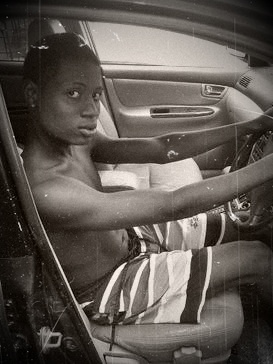
Sixteen-year-old Dwayne Jones grew up in a poor neighborhood in Montego Bay, Jamaica, and was known among friends as “Gully Queen,” a nickname reflecting both his spirited personality and the storm drainage gullies where many homeless LGBTQ youths in Jamaica find refuge. Perceived as effeminate from a young age, Jones faced relentless bullying in school. At just fourteen years old, his father forced him out of the family home because of his gender non-conforming behavior, leaving him to fend for himself among peers in the local community.
By 2013, Dwayne was living in a derelict house with two friends, both transgender adults, and dreamed of becoming a performer or working in Jamaica’s tourist industry. His quick wit and dance skills won him affection among friends, even as his lifestyle left him vulnerable.
On the evening of July 21st, 2013, Dwayne attended a dance party called Hennessy Sundays in the Irwin area of Montego Bay, dressed in women’s clothing. For much of the night, he passed as female and socialized without incident. However, someone at the party recognized him as biologically male and informed others.
Outside the venue, a group of men confronted Dwayne, demanding to know if he was “a man or a woman.” When he affirmed his female identity, the situation escalated. Someone snapped his bra strap, and in fear he ran. A mob pursued him, catching him and subjecting him to savage violence. He was beaten, stabbed, shot, and ultimately run over by a vehicle. Dwayne remained conscious for parts of the attack, which lasted hours, before succumbing to his injuries.
Police found his body dumped beside a road in the early morning hours of July 22nd. Despite roughly 300 people being present at the party, no arrests were ever made, largely due to fear of retaliation and a strong anti-informant culture within the community.
The murder drew national and international condemnation. Human rights and LGBTQ organizations called for a thorough investigation and demanded that Jamaican authorities ensure zero tolerance for violence against gender-nonconforming and LGBTQ persons.
The case also exposed the broader climate of homophobia in Jamaica. Laws dating back to British colonial rule criminalized consensual same-sex conduct, and anti-gay sentiment was often reinforced by elements of popular culture and conservative religious rhetoric. These factors contributed to a climate where LGBTQ Jamaicans faced frequent harassment, discrimination, and danger.
National rights groups such as the Jamaica Forum for Lesbians, All-Sexuals & Gays (J-FLAG) and Jamaicans for Justice voiced outrage, urging government leaders and religious figures to take a stand against violence and advocate for the protection of all citizens regardless of gender identity or expression.
The murder of Dwayne Jones became a stark symbol of the violent consequences of unchecked prejudice. It catalyzed calls for legal reforms, better protections for LGBTQ people, and greater social acceptance. While some progress has been made in awareness and advocacy, the case remains a painful reminder of how discrimination can escalate into fatal violence. Sadly, the crime remains officially unsolved.
 Crime Immemorial