
Torrey Pines State Beach, located in San Diego, California, between La Jolla and Del Mar, is renowned for its stunning rugged cliffs, golden sands, rare Torrey pine trees, and sweeping ocean views. It attracts surfers, sunbathers, hikers, and families year-round, embodying the idyllic Southern California coastal lifestyle. Yet, on the morning of August 13th, 1978, this picturesque location became the scene of a horrific crime that shattered lives and left a lingering shadow over the beach.
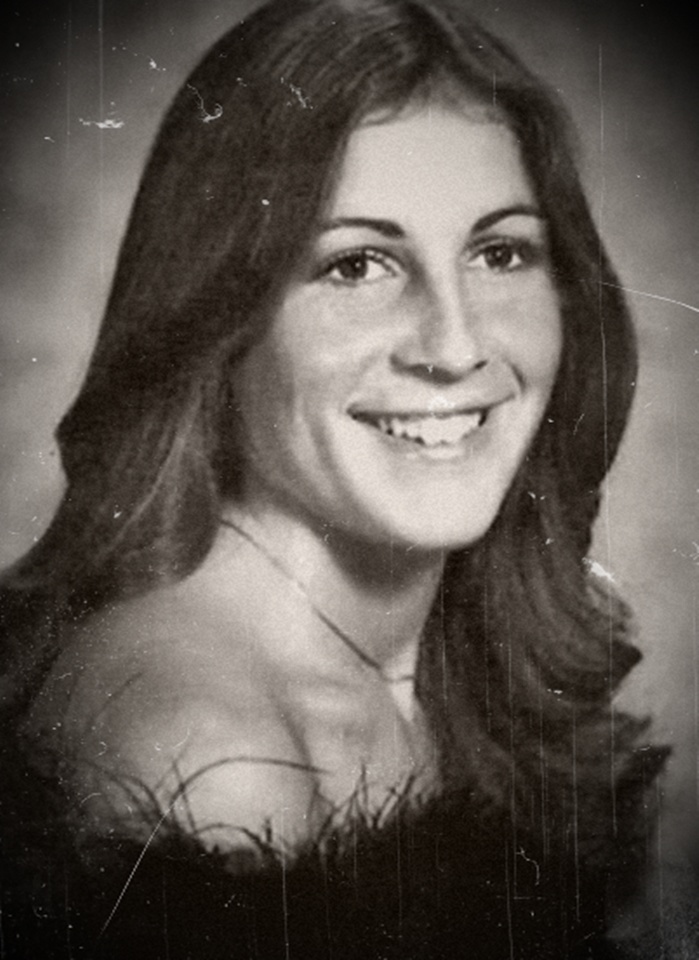
Barbara Nantais was a vibrant fifteen-year-old from Lakewood, California. A popular sophomore who had recently made her high school’s varsity cheerleading squad, she was described by loved ones as full of potential and joy. She had four siblings—older sisters Lorraine and Sue, and a younger brother Tom—and came from a close-knit family. Barbara had been introduced to her boyfriend, seventeen-year-old Jim Alt, through her sister Sue. The couple shared a love for the beach: Jim was an avid surfer, while Barbara enjoyed soaking up the sun.
On the night of August 12th, 1978, Barbara’s parents were out of town, leaving the children with an adult family friend. Seizing the opportunity, Barbara and Jim secretly left to join friends for a night at Torrey Pines State Beach. They were accompanied by another couple, nineteen-year-old Rick Selga and his girlfriend. After socializing around beach fires, the other couple retired to sleep in their van in the parking lot, while Barbara and Jim zipped two sleeping bags together and settled down on the sand near lifeguard tower 7 to spend the night under the stars.
Early the next morning, passersby discovered a grim scene. Barbara’s body lay nude on the sand, positioned spread-eagle with her head propped up by a log. She had been brutally attacked: beaten severely, strangled to death, sexually assaulted (including rape), and mutilated; one of her breasts had been savagely severed. Wet sand had been stuffed into her mouth, and her skull was fractured. Nearby, Jim Alt was found semi-conscious, suffering from a life-threatening head wound inflicted by rocks and a log from a nearby fire pit. He was rushed to the hospital, underwent emergency surgery, spent days in a coma, and awoke with no memory of the assault. He later required a titanium plate in his forehead due to the brain damage sustained.
San Diego Police Department officers responded quickly, cordoning off the area and collecting evidence, including sleeping bags, rocks used in the attack, a cigarette butt near the body, a necklace Barbara wore, fingernail scrapings, and swabs from her body. The evidence pointed to an unknown suspect (or possibly suspects) who attacked the couple while they slept. Jim was briefly investigated but was quickly ruled out due to the severity of his injuries.
The brutality of the crime shocked the community. Police publicly appealed for information from anyone who had been at the beach that night, but no clear suspect emerged. No murder weapon was definitively identified beyond the improvised items from the scene, and forensic technology of the era limited what could be gleaned from the evidence.
Over the years, the case has been revisited multiple times by the San Diego Police Department’s cold case unit. Advances in DNA testing prompted re-examinations, including in 2006 and later efforts in the 2010s. Tests on items like the sleeping bags revealed DNA from Jim Alt and an unrelated couple who had previously used one of the bags (likely the friends who slept in their car). Despite these efforts, no definitive perpetrator has been identified.
The case gained renewed attention due to eerie similarities with another murder on the same beach six years later. In August 1984, fourteen-year-old Claire Hough was found strangled, sexually assaulted, beaten, and mutilated (including breast mutilation and sand stuffed in her mouth) near lifeguard tower 5, not far from where Barbara was killed. Media coverage, including a CBS 48 Hours episode titled “Blood in the Sand,” explored possible connections and potential serial killer involvement. DNA developments in Claire’s case eventually pointed to suspects like convicted rapist Ronald Tatro and former SDPD crime lab employee Kevin Brown, but both men died before resolution (Tatro in 2011, Brown by suicide in 2014 amid controversy over possible evidence contamination). Authorities concluded the cases were not linked, partly because Tatro was in prison and Brown was not in the area during Barbara’s murder in 1978.
Despite occasional reports of persons of interest and pleas from Barbara’s family and Jim Alt, who has lived with severe PTSD, depression, and the ongoing trauma of surviving the attack, the murder of Barbara Nantais remains unsolved after more than four decades.
 Crime Immemorial