
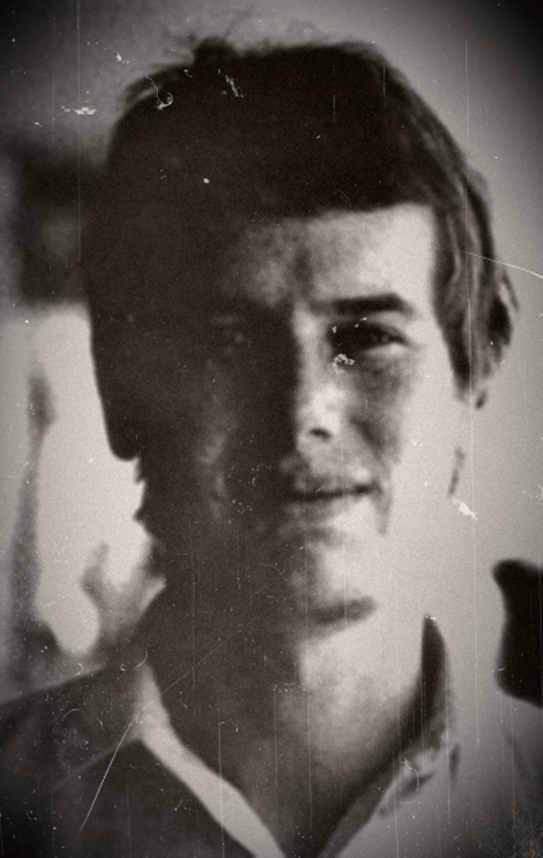
Bob Mellors (born 1950), a pioneering British gay rights activist and co-founder of the Gay Liberation Front (GLF) in London in 1970, was a key figure in the early radical phase of the LGBTQ+ movement in the United Kingdom. Alongside figures like Aubrey Walter, he helped launch the GLF, inspired by the Stonewall Riots, promoting confrontational activism, consciousness-raising, and revolutionary change in societal attitudes toward sexuality and gender. The GLF’s manifesto called for the liberation of all oppressed people, famously declaring that gay liberation “means a revolutionary change in our whole society.”
After decades of activism in Britain, including involvement in leftist politics, friendships with figures like the controversial Charlotte Bach, and contributions to queer theory and non-binary ideas, Bob relocated to Warsaw, Poland, in 1990 (or 1991 according to some accounts). Post-communist Poland was undergoing dramatic transformation following the fall of the Iron Curtain, with emerging freedoms but also persistent social conservatism, particularly around homosexuality, which remained largely underground and stigmatized.
In Warsaw, Bob immersed himself in the local queer scene at a time when it was still hidden and developing. He documented the lives of Polish gay men, offering a rare outsider’s perspective on the hidden queer culture in a society transitioning from authoritarian rule to democracy. His writings and observations captured the challenges, joys, and risks faced by LGBTQ+ individuals in early 1990s Poland.
Tragically, on March 24th, 1996, Bob Mellors was found stabbed to death in his apartment in central Warsaw. He was forty-six years old. Polish police classified the killing as occurring during a burglary gone wrong, a common explanation for violent home invasions at the time. The case was reported to Interpol, but no arrests were ever made, and the investigation appears to have yielded no public resolution.
The circumstances of his death have long raised questions within LGBTQ+ communities and among those who have since researched his life. Some accounts describe it as an unresolved mystery, with speculation that it may have involved elements beyond a simple burglary, possibly tied to his identity, his relationships, or the social climate for gay men in 1990s Poland. However, official records and contemporary reports have not confirmed any alternative motive, and the case remains officially unsolved.
Bob Mellors’ body was repatriated to the United Kingdom, where he was buried in Nottinghamshire. His papers, including unpublished works and materials related to his time in Poland, have been referenced in archives and later artistic projects.
In the years since, Bob Mellors’ legacy has been revisited through commemorations, exhibitions, and artistic investigations. In 2021, on the twenty-fifth anniversary of his death, events in both London and Warsaw honored his contributions to gay liberation.
 Crime Immemorial