
Alma Tirtschke was a bright and dutiful young girl from Melbourne, Australia. Born in 1909, she was the daughter of a local family and attended Hawthorne West Central School. On the afternoon of December 30th, 1921, the twelve-year-old Alma was sent by her grandmother to collect a parcel of meat from a butcher in Swanston Street. Dressed in a simple navy tunic, white hat, and carrying a small bag, she set out from her aunt’s home in Collins Street around one thirty p.m. Witnesses later reported seeing her speaking to a man near the Eastern Arcade, but she never returned home.
As evening fell, her family grew increasingly worried. Searches were conducted throughout the night, but it wasn’t until early the next morning, December 31st, that a bottle collector stumbled upon her body in Gun Alley, a dingy right-of-way off Little Collins Street. She had been brutally assaulted, strangled, and left exposed behind a popular wine saloon. The discovery sent shockwaves through Melbourne, with newspapers dubbing it “one of the most horrible murders ever recorded.” The city, still recovering from the aftermath of World War I, was gripped by fear and outrage over the safety of its children.
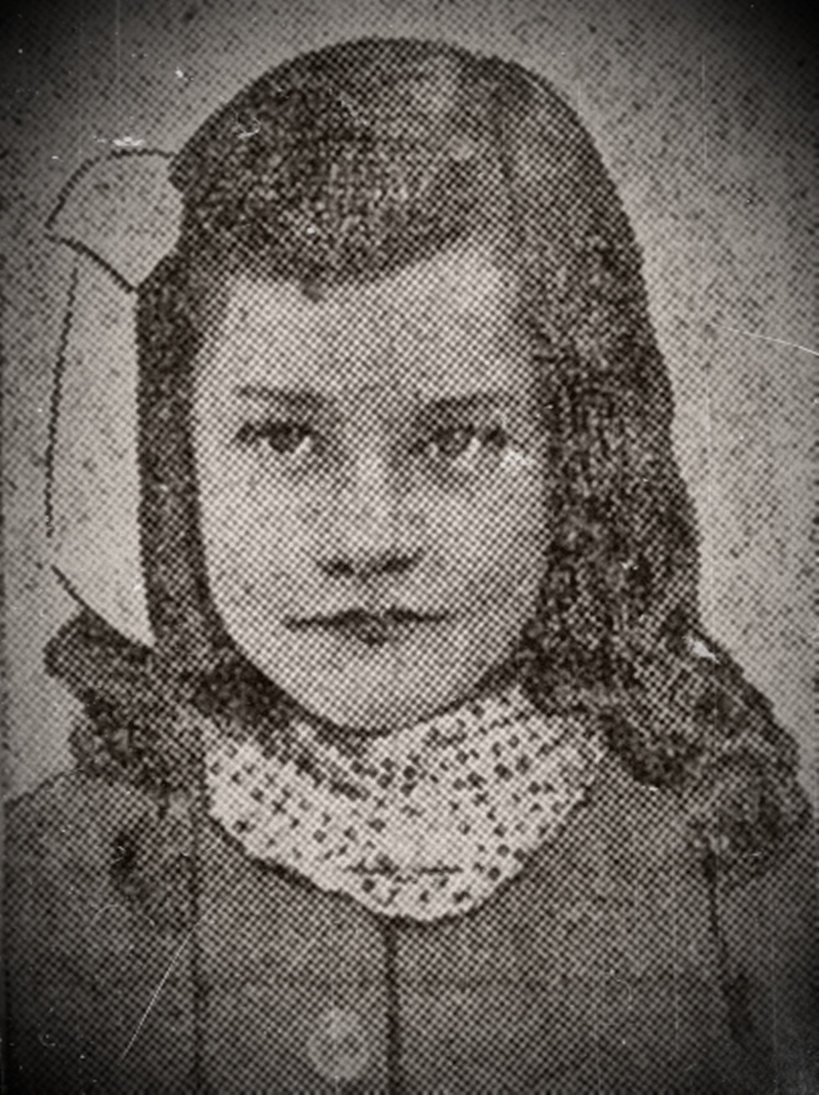
The Victoria Police launched an immediate and intensive investigation. Detectives canvassed the area, interviewing witnesses who placed Alma near the Australian Wine Saloon in the Eastern Arcade, owned by twenty-nine-year-old Colin Campbell Ross. Ross, a former soldier and bar owner, became a prime suspect due to his proximity to the crime scene and reports of him interacting with young girls.
Key evidence centered on strands of golden hair found on blankets seized from Ross’s premises. A government forensic scientist compared these to a lock of hair cut from Alma’s head during her autopsy and declared them a match. Additional testimony came from witnesses, including a supposed confession Ross made to a fellow prisoner, John Harding, while in custody. Despite Ross’s adamant protests of innocence and alibis from his family and staff, he was arrested on January 12th, 1922.
The case also drew scrutiny to Melbourne’s seedy underbelly, with anti-German sentiments playing a role. Some speculated involvement from the city’s immigrant communities, though no solid leads emerged beyond Ross.
Ross’s trial began in February 1922 at the Melbourne Supreme Court, presided over by Justice William Schutt. The prosecution, led by H.C.G. Macindoe, painted Ross as a predator, relying heavily on the hair evidence and witness statements. The defense argued that the hairs could belong to anyone and highlighted inconsistencies in the testimonies.
After a five-day trial, the jury deliberated for just over a day before returning a guilty verdict on February 25th, 1922. Ross, maintaining his composure, declared his innocence even as the death sentence was pronounced. Appeals to the High Court and the Privy Council in London failed, and on April 24th, 1922, Ross was hanged at Melbourne Gaol. His final words reportedly reaffirmed his innocence: “I am now face to face with my Maker, and I swear that I am innocent.”
For decades, the Gun Alley Murder faded into history, but doubts about Ross’s guilt persisted. In the 1990s, advancements in forensic science prompted a re-examination. In 1993, a Melbourne schoolteacher, Kevin Morgan, discovered one of the original hair samples from Alma in old court records. DNA testing in 1998 revealed that the hairs found on Ross’s blankets did not match Alma’s, proving the key evidence was flawed.
This breakthrough led to a formal petition, and on May 27th, 2008, the Victorian government granted Ross a posthumous pardon, acknowledging the miscarriage of justice. Victorian Attorney-General Rob Hulls stated it was “an important step in righting a historical wrong.” Alma’s family also supported the pardon, expressing relief that the truth had emerged.
Because of Ross’s exoneration, the true perpetrator remains unidentified. Some theories point to other suspects, such as George Murphy, a known criminal mentioned in later investigations, but no conclusive evidence has surfaced.
The murder of Alma Tirtschke not only devastated her family but also prompted calls for better child protection and urban safety measures in Australia. Today, Alma rests in Brighton General Cemetery, while Colin Ross was reburied by his family in a Christian ceremony.
 Crime Immemorial