
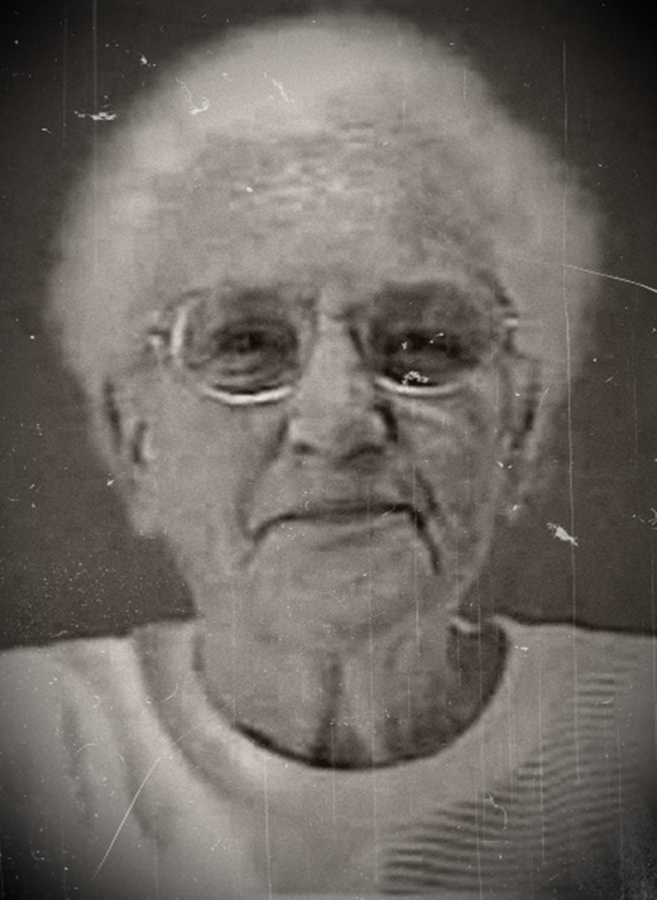
Seventy-six-year-old widow and mother Betty Jagodzinski had overcome cancer and raised five children. By 2001, she lived alone at 332 Bronson Avenue in North Toledo, a modest home in a working-class neighborhood. She worked a morning shift at a local McDonald’s, a job she held even in her later years, reflecting her active and independent spirit. Described by those who knew her as passionate, generous, and well-liked, Betty had recently finished her shift on March 6th, 2001, leaving work around twelve forty-six p.m. She had plans to meet a friend later that day.
Around one thirty p.m. that afternoon, however, friends arrived at her home and found the front door open or unlocked, an unusual sign. Inside, they discovered Betty unconscious at the bottom of her basement stairs. The house showed signs of disarray and a struggle, though there was no evidence of forced entry, suggesting she may have known or willingly admitted her attacker. Police and emergency responders were called to the scene for a report of an injured person. Betty was rushed to St. Vincent Mercy Medical Center (now Mercy Health), but despite medical efforts, she succumbed to her injuries about four hours later, around six p.m.
The Lucas County coroner’s autopsy determined the cause of death as blunt craniocerebral trauma: severe blunt force injury to the head, resulting in brain bruising and skull fractures. Her death was quickly ruled a homicide. Investigators believe she was struck multiple times over the head, possibly shortly after opening her door to someone. Her purse and wallet were missing and never recovered, hinting at a possible robbery motive, though the violent nature of the attack suggested more than simple theft.
Toledo Police Department responded immediately, but early leads proved elusive. Initial reports in March 2001 treated the incident cautiously, investigating whether it was an accidental fall or foul play, but forensic evidence and the scene quickly pointed to assault. No suspect was ever publicly identified, and no arrests were made. The absence of forced entry raised questions about whether Betty knew her assailant or if the person posed as someone trustworthy.
By 2016, marking the fifteenth anniversary, Toledo police and detectives publicly reopened appeals for information, admitting they had exhausted conventional leads. Betty’s daughter, Barbara Mong, joined authorities at a press event at the Toledo Police Safety Building to speak out, expressing the family’s enduring pain and frustration at not knowing who was responsible.
As recently as 2023, local media revisited the case in segments highlighting unsolved Toledo homicides, noting that more than two decades later, the killer remained at large, and family members continued seeking answers. The case is listed as an active unsolved homicide by the Ohio Attorney General’s Cold Case Unit (case number 82), with the Toledo Police Department as the lead agency.
No new public breakthroughs have been reported, and the case stays open.
 Crime Immemorial