
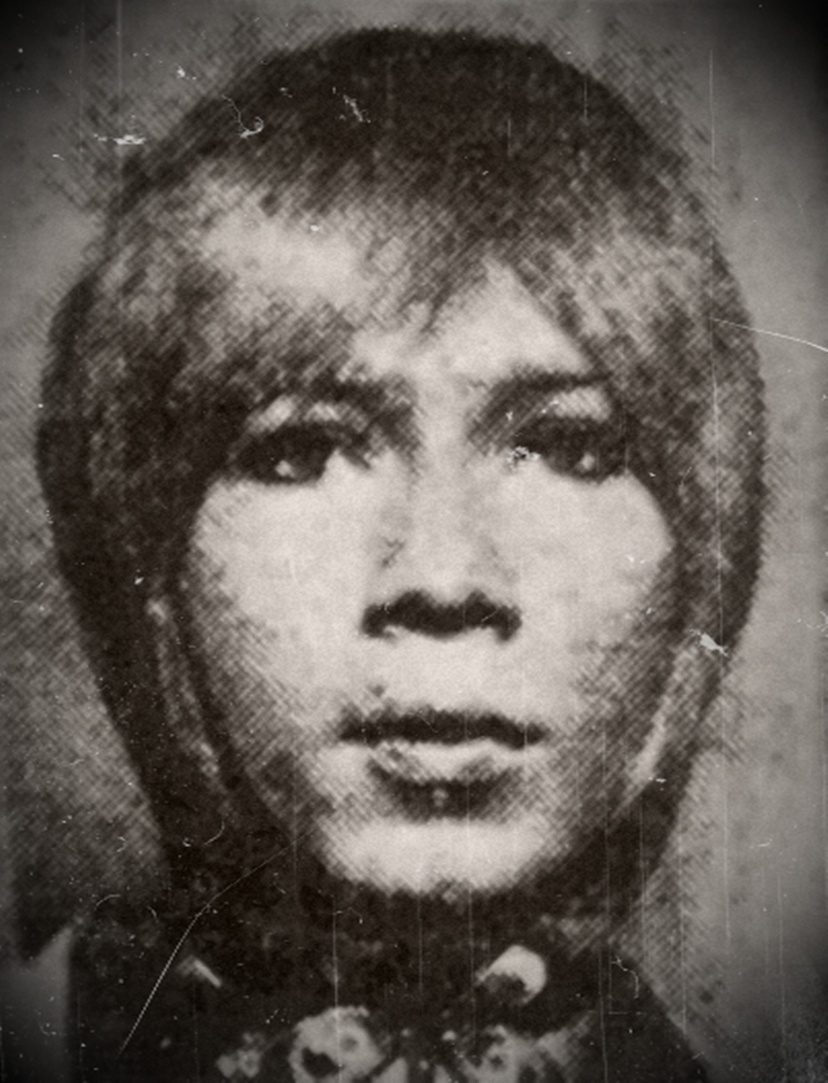
Maxwell Thomas Berty Confait, born in 1945 in the Seychelles, was a twenty-six-year-old mixed-race man who lived in a bedsit at 27 Doggett Road in Catford, South East London. Known locally as “Michelle” or sometimes “Handbag,” he was a cross-dresser who worked as a male prostitute and was part of the local gay scene. He frequented pubs in the area and presented as female at times.
In the late evening of April 21st, 1972 (or possibly in the early hours of April 22nd), Maxwell was strangled to death in his upstairs back bedroom. The room was then set on fire. At one twenty-one a.m. on April 22nd, the fire brigade was called to the address after neighbors reported smoke. Firefighters quickly extinguished the blaze by around one thirty a.m. and discovered Maxwell’s body behind a locked door. Police arrived shortly afterward, followed by a forensic pathologist.
The initial investigation considered various leads, including a man named Winston Goode (a former acquaintance who committed suicide shortly after being questioned), but attention soon shifted elsewhere.
Police focused on local youths known for starting small fires in the area around that time. On April 24th, 1972, three boys were arrested in connection with other minor fires. First was Colin George Lattimore, aged eighteen, who had severe learning difficulties (described as having a mental age of around eight and being unable to read or write properly). Second was Ronald William “Ronnie” Leighton, aged fifteen; and third was Ahmet Salih, aged fourteen.
The three were interrogated for extended periods without the presence of parents, guardians, lawyers, or appropriate adults, practices that would later be heavily criticized. All three eventually signed confessions admitting to starting the fire at 27 Doggett Road. Lattimore and Leighton also confessed to the murder of Maxwell Confait (with Lattimore allegedly strangling him), while Salih admitted only to being present or involved in the arson.
At trial in November 1972 at the Central Criminal Court, the confessions formed the core of the prosecution’s case, despite no strong physical evidence linking the boys to the killing. Leighton was convicted of murder, Lattimore of manslaughter (on grounds of diminished responsibility), and all three of arson. They received custodial sentences, including life for Leighton.
The convictions quickly drew scrutiny. The boys retracted their statements, claiming they had been coerced or pressured by police. Medical and forensic evidence raised doubts about the timing: the original time of death estimate allowed for the boys’ involvement, but later re-examination of the pathology (including digestion of food and rigor mortis) suggested Confait had likely died earlier in the evening of April 21st—possibly before ten thirty p.m. Lattimore, for example, had a verifiable alibi at a youth club until around eleven thirty p.m.
In 1975, the Court of Appeal quashed all the convictions, ruling them unsafe and unsatisfactory. The boys were freed after serving time in custody.
Public and political outrage over the case prompted the Home Secretary to commission an independent inquiry led by Sir Henry Fisher (a former High Court judge). The Fisher Report, published in December 1977, was scathing about aspects of the police investigation. It highlighted breaches of the existing Judges’ Rules (which governed suspect interviews), criticized the lack of safeguards for vulnerable suspects and juveniles, and rejected claims of physical brutality but found the interrogations oppressive and improper.
On the balance of probabilities, Fisher concluded that Leighton and Salih were likely involved in the killing and all three in the arson, while Lattimore was probably not involved in the murder, but emphasized these were not findings of criminal guilt beyond reasonable doubt. The report also noted that police had largely closed off other lines of inquiry after obtaining the confessions.
The Maxwell Confait case became a catalyst for reform. It contributed directly to the establishment of the Royal Commission on Criminal Procedure (1978–1981), which recommended sweeping changes. These culminated in the Police and Criminal Evidence Act 1984 (PACE), one of the most important pieces of legislation in British criminal justice. PACE introduced mandatory recording of interviews, requirements for appropriate adults during questioning of juveniles and vulnerable adults, clear rights to legal advice and notification of family, and stricter rules on detention and treatment in custody.
These safeguards were designed to prevent coerced or false confessions and protect the rights of suspects.
Despite the reforms, the murder of Maxwell Confait has never been solved. No one has been convicted of the killing following the quashing of the original verdicts. The true perpetrator(s) remain unidentified, and Maxwell—a marginalized individual in life—has often been overshadowed in discussions by the procedural injustices that followed his death.
 Crime Immemorial