
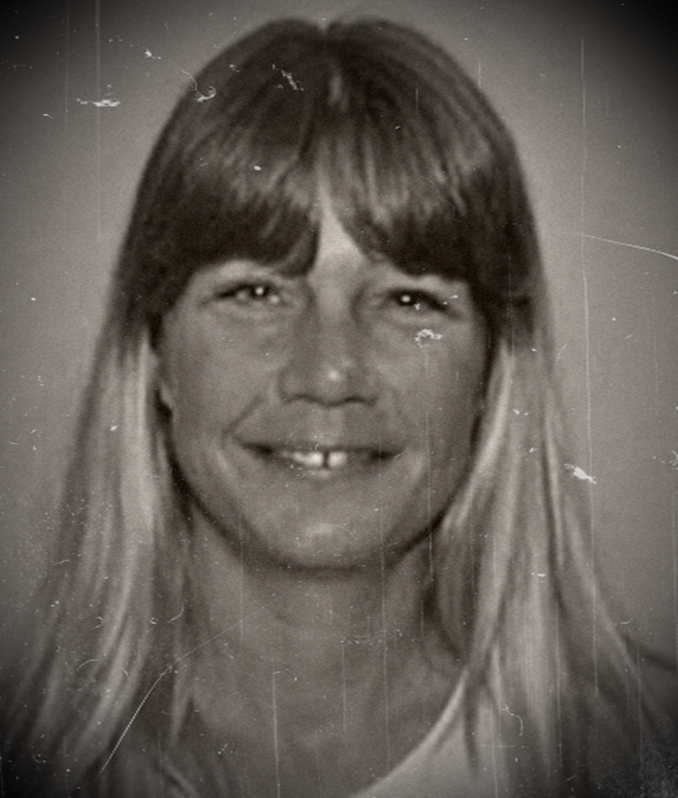
On March 14th, 2001, thirty-four-year-old Claudia A. Eanes was shot in the head while locking up the Tanny-Fanny tanning salon where she worked at 6480 Central Avenue in St. Petersburg, Florida. She died six weeks later on April 27th, 2001, after a bullet remained lodged in her brain.
The shooting occurred around nine thirty p.m. as the salon was closing. Eanes, a mother of three, had two of her children with her—an eleven-year-old son and a five-year-old daughter. A co-worker turned and saw Eanes fall to the ground near the front door after hearing a noise. A bullet hole was found in the glass door, but no one witnessed the shooter or anything suspicious outside at the time.
Police determined the bullet was fired from a northeast direction across Central Avenue, suggesting it may have come from a distance, possibly from a rifle. Detectives could not initially confirm whether Eanes was the intended target, noting that she bore a resemblance to the salon owner, Suzann Rogers.
Eanes was rushed to Bayfront Medical Center, where she clung to life in critical condition with the bullet in her brain. She succumbed to her injuries on April 27th, 2001, and the case was officially ruled a homicide.
Claudia Eanes was described by those who knew her as well-liked by clients at the tanning salon, where she had worked for about ten months. She was a mother of three who often brought her children to work with her.
Her personal life had been turbulent. She had been married to Eric Eanes since 1996; the couple faced financial difficulties, including the foreclosure of their home in Gulfport in 1999. There was a history of relationship issues, including a 1998 domestic battery charge against Eric (which was later dropped after witnesses indicated Claudia may have been the aggressor in that incident). Neighbors described their relationship as “on one minute, off the next,” but maintained that Eric idolized her.
In 2000, Claudia moved to Kentucky for several months with another man, John Brockway, along with her children. Reports indicated the relationship there was controlling, and she eventually returned to St. Petersburg with her husband’s help. On the day of the shooting, Brockway reportedly called her cell phone twice while she was at work.
At the time of the incident, Eanes and her family were living at Sunshine City Mobile Home Park in St. Petersburg.
St. Petersburg Police Department homicide detectives immediately interviewed family, friends, and acquaintances, including Eanes’ former boyfriend from Kentucky. They explored possible motives tied to her personal relationships and financial troubles but developed no clear suspects.
In the weeks and months following the shooting and her death, the case generated local media attention but yielded few solid leads. By July 2001, the slaying was still described as “far from solved,” with no arrests. Police appealed for tips from anyone who might have seen something unusual while driving by the area that night.
More than twenty-five years later, the murder of Claudia Eanes remains unresolved. No motive has been publicly confirmed, and the shooter has never been identified.
 Crime Immemorial