
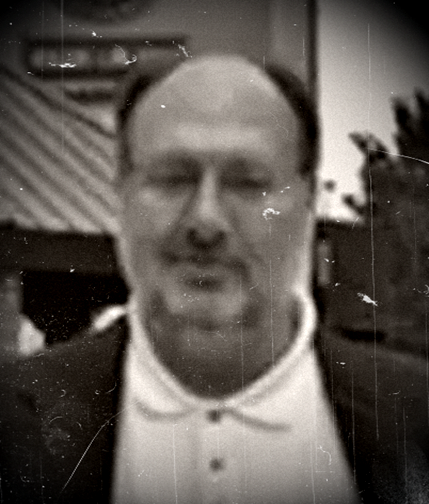
The murder of Kent Heitholt on November 1st, 2001, in Columbia, Missouri, remains one of the most controversial unsolved cases in the state’s history. It involved a brutal killing, a high-profile wrongful conviction, and ongoing questions about justice for the victim and those affected.
Kent William Heitholt was born on January 4, 1953, and worked as the sports editor for the Columbia Daily Tribune. Colleagues and friends knew him as “Heity,” a kind, easygoing family man who loved sports, supported underdogs, and had a playful, goofball personality. He stood out as a dedicated journalist who covered local athletics with passion and fairness. At forty-eight years old, Kent was a familiar figure in Columbia’s sports community.
On the evening of October 31st, 2001—Halloween—Kent worked late at the Columbia Daily Tribune offices. Shortly after two a.m. on November 1st, he signed off his computer and left the building. He walked to his car in the parking lot behind the newspaper.
Less than fifteen minutes later, two custodians noticed two white males standing near Kent’s car. One of the men called out something like, “Someone’s hurt out here, man,” before both individuals walked away from the lot. The custodians alerted authorities.
Police arrived quickly and found Kent Heitholt next to his vehicle. He had suffered severe head trauma—struck approximately eleven times with a blunt object believed to be a tire iron—and was then strangled to death, likely with his own belt. His watch and keys were missing, suggesting a possible robbery, but his wallet remained inside the car. Bloody shoe prints led away from the scene, and investigators recovered unidentified fingerprints and a single strand of bloody hair clutched in Kent’s hand that did not match the victim.
The murder occurred in a relatively short window, between roughly two fifteen and two twenty-two a.m., in a parking lot that should have been quiet in the early morning hours.
For more than two years, the case went unsolved despite the physical evidence left behind. No immediate suspects emerged, and the trail grew cold. Columbia police continued to investigate tips, but nothing broke the case open until late 2003.
At that time, local newspapers published retrospective articles about the unsolved murder. Charles “Chuck” Erickson, then nineteen and a former high school classmate of Ryan Ferguson, read the stories while struggling with memory issues from heavy drinking on the night in question. Erickson had been out partying with Ferguson (then seventeen) on Halloween 2001, including at a tavern called By George, located a few blocks from the Tribune offices.
Erickson began to question whether he might have been involved, despite having no clear recollection of committing the crime. During police questioning in March 2004, he eventually confessed to robbing and killing Kent Heitholt alongside Ferguson, claiming the motive was to get money for more drinking. His confession included inconsistencies; for example, he guessed at details like the murder weapon and later admitted the events felt “foggy,” even suggesting he might be fabricating parts of the story.
Police arrested both Erickson and Ferguson in March 2004. Erickson pleaded guilty to second-degree murder and first-degree robbery in a deal that required him to testify against Ferguson. He received a twenty-five-year sentence.
Ferguson, who maintained his innocence and had no memory of the crime (and initially ridiculed Erickson’s claims), went to trial in 2005. The prosecution relied heavily on Erickson’s testimony and that of a building employee who claimed to have seen Ferguson in the area (though this testimony was later challenged). Notably, there was no physical evidence—no DNA, fingerprints, or footprints—linking either man to the scene. The bloody hair, shoe prints, and fingerprints did not match Ferguson or Erickson.
A jury convicted Ferguson of second-degree murder and first-degree robbery in December 2005. He received a forty-year sentence.
Ferguson’s supporters, including his family, argued the case was built on a false, coerced, or unreliable confession from a blacked-out Erickson. Appeals highlighted withheld evidence and inconsistencies. In 2013, the Missouri Court of Appeals vacated Ferguson’s conviction, citing Brady violations (failure to disclose exculpatory evidence) related to a key witness. Prosecutors declined to retry the case, and Ferguson was released on November 12th, 2013, after serving nearly ten years. He later received significant civil settlements related to his wrongful conviction.
Erickson recanted aspects of his testimony over time, at one point claiming he acted alone. He served nearly twenty years before his release in early 2023.
Kent Heitholt’s murder has never been solved. No one has been definitively held accountable based on physical evidence. Groups like Justice for Kent LLC have placed billboards in the Columbia area seeking new tips, and the case continues to generate discussion, theories, and calls for renewed investigation. Some point to other potential persons of interest who were around the Tribune that night, but no charges have resulted, and there have been no updates as of this writing in March 2026.
 Crime Immemorial