
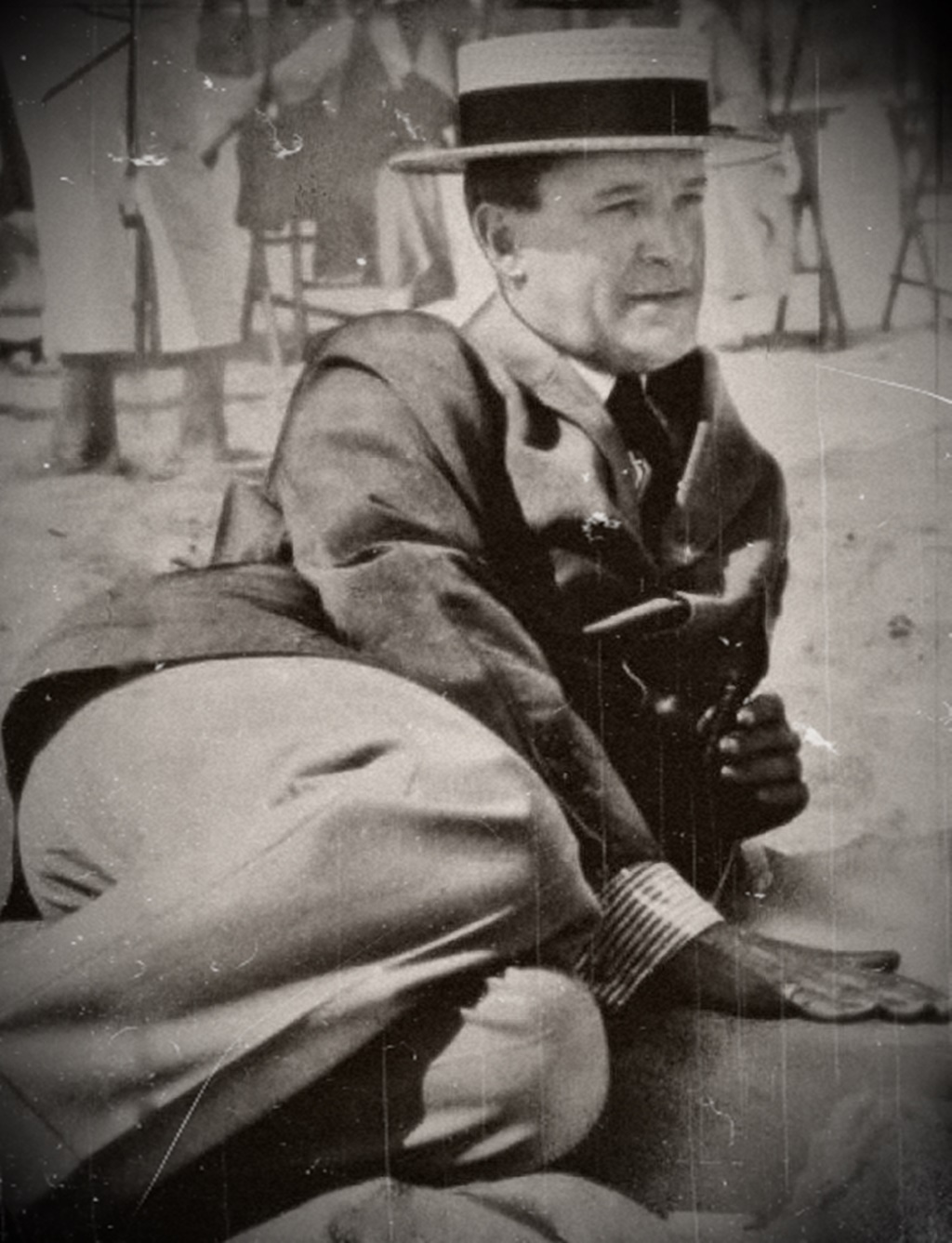
Joseph B. Elwell was an exceedingly wealthy and well-connected man, best known as a champion bridge player who had penned several popular books on the game. He was something of a gambler, had made most of his money on the stock market, and owned several cars and a yacht, a mansion in Palm Beach, as well as a stable of twenty race horses.
He also had a reputation as a womanizer, so much so that a friend of his reportedly called him “cold-blooded.” Not surprisingly, he had a little black book that contained the names of about fifty women, some of whom were married. His wife Helen had left him in 1916, taking the couple’s son along with her, and by 1920 she was in the process of filing for a divorce. As it turned out, however, this legal technicality would soon become completely unnecessary.
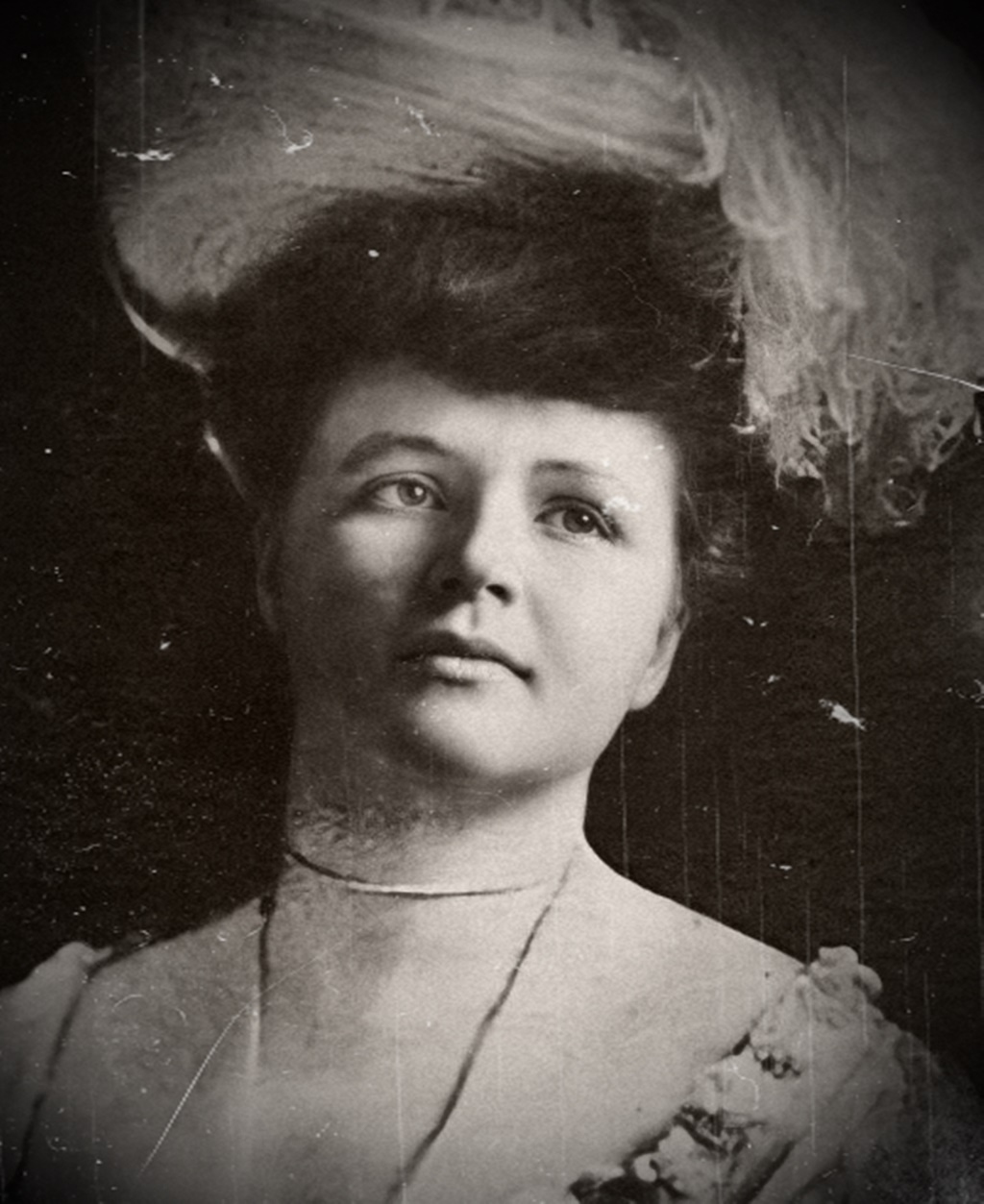
Joseph had arrived at his well-appointed home on West 70th Street in New York City at around 3:45 on the morning of June 11th, 1920, after enjoying a night out with his newest flame, Viola Kraus. Whether he caught a few hours of sleep after getting in or simply stayed up until sunrise is not known, but he was evidently awake at a little past seven in the morning, for he picked up the mail when it was dropped through the slot and went to sit in a chair in the living room to read it.
About an hour later, housekeeper Marie Larsen arrived and saw her employer sitting in the same living room chair, an open letter lying in his lap, and a pile of unread mail on the floor beside him. She wished Joseph a good morning, as she always did, but became suspicious when she received no reply.
As she drew closer, she understood immediately why her boss had not returned her cheerful greeting: Joseph Elwell was sporting a brand new bullet hole right in the middle of his forehead.
Though he was still clinging to life when police arrived, he died shortly after he was taken to the hospital, and investigators were left with a murder scene whose details would later inspire numerous fictional locked room mysteries, including one by Ellery Queen.
Joseph Elwell’s house had been locked from the inside, with no sign of a break-in whatsoever. Nothing in the house was stolen or disturbed at all, even the very expensive Rembrandt painting hanging in the home, and no unknown fingerprints or footprints were discovered at the scene. There was a partially smoked cigarette left in an ashtray, however, which was not the brand Joseph usually preferred.
Joseph had been killed by a single, point-blank shot from a .45 Colt pistol, which had been fired by someone crouching directly in front of him. A single bullet lay on a table in the living room as if someone had deliberately placed it there, while the spent cartridge from the fatal shot lay on the floor nearby.
Even more mysteriously, whoever had perpetrated the crime had acted with unbelievable swiftness, slipping into and out of the house between the time the mail arrived at 7:10 a.m. and the time the housekeeper reported for work, a little less than an hour later.
Because the house had not been broken into and there did not appear to have been a struggle, police assumed that Joseph had known his killer and had not been particularly alarmed by his or her presence. Perhaps he had even let his murderer in through the front door, though witnesses reported seeing no one enter the house after Joseph himself had come home earlier that morning.
Also complicating the matter was the fact that Joseph Elwell’s playboy lifestyle had likely fostered many enemies, including the presumably dozens of husbands and boyfriends of his many female companions. One of these men was Victor von Schlegel, the ex-husband of Viola Kraus, the woman Joseph had been with the night he was murdered. Though witnesses placed Victor von Schlegel and his new fiancée at the same hotel ballroom as Joseph and Viola that night, he was eventually cleared as a suspect.
It was similarly rumored that many of Joseph’s lady friends possessed keys to his home, making all of them possible suspects in his slaying as well. Authorities were doubtful that a woman had done the killing, though, given the substantial weight and heft of the .45 used to shoot him
Despite—or perhaps because of—the sheer number of purported enemies the forty-four-year-old bridge player had accumulated, police were unable to obtain enough definitive evidence to pin the crime on anyone in particular, and no one was ever charged with the killing.
In spring of 1921, a man came forward and claimed to have committed the crime, but further investigation demonstrated that the man was mentally ill, and was hoping to be convicted and receive the death penalty so that he would no longer be a burden on his family.
In later years, the theory was floated that Joseph’s associate, banker Walter Lewisohn, had murdered him in a dispute over a woman, but speculation and conjecture were the only pillars on which that particular hypothesis stood, and other attempts to blame the murder on someone else were likewise largely unfounded.
The baffling, locked-room killing of Joseph Elwell passed into legend and fiction, and the murderer was never brought to justice.
 Crime Immemorial