
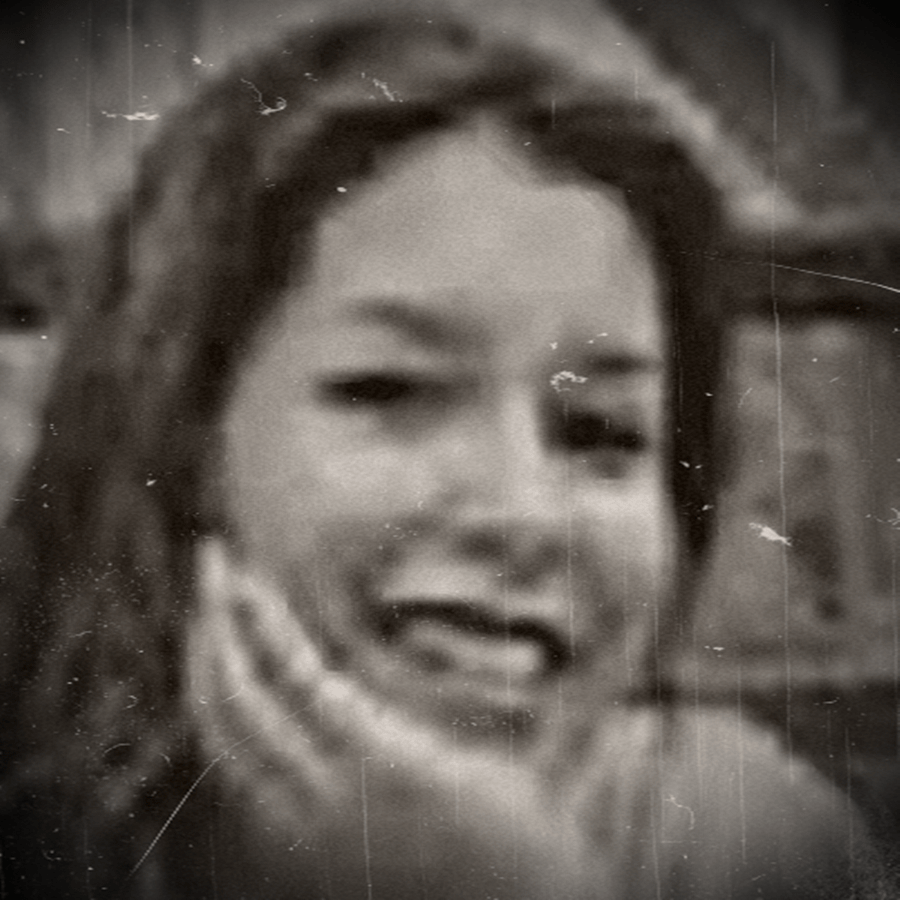
Kelly Morrisseau was born into the Ojibway community of Sagkeeng First Nation in Manitoba, Canada. She had relocated to Ottawa with her family, settling in the Vanier neighborhood near Parliament Hill. At the time of her death, she was involved in street-level sex work, which police believe played a role in the events leading to her murder. Kelly was described by those who knew her as a devoted mother, but her family had already endured tragedy: her aunt, Glenda Morrisseau, was murdered in Winnipeg in July 1991, a case that also remains unsolved.
Kelly, then twenty-seven years old and seven months pregnant, was last seen alive around four a.m. on December 10th, 2006, on Montfort Street in Ottawa’s Vanier sector. Witnesses reported seeing her enter a vehicle with a man, believed to be the prime suspect. Police investigations suggest the encounter was related to an exchange of sexual favors, and the suspect drove her across the Ottawa River to the remote P3 parking lot in Gatineau Park, near Gamelin Street. There, she was viciously attacked with a sharp object, sustaining multiple stab wounds that caused massive hemorrhaging. Autopsy reports indicate she fought back fiercely to protect herself and her unborn child, potentially injuring her attacker in the process.
The suspect’s vehicle was traced using an emergency vehicle lane between Promenade de la Gatineau and Boulevard Saint-Raymond sometime between four a.m. and five forty a.m. After the attack, items belonging to Kelly and other evidence were discarded behind a business at 115 Boulevard du Plateau and in the nearby des Frênes creek, suggesting the killer drove around the area and exited the vehicle multiple times.
At approximately five forty a.m., a pedestrian walking his dog discovered Kelly naked and clinging to life in the snowy parking lot. She was rushed to Hull Hospital, where she succumbed to her injuries about an hour later.
Kelly’s three children were left motherless; her two youngest were adopted by a new family, while her eldest, now an adult, continues to seek answers. The adoptive father has spoken anonymously about the children’s ongoing grief, and their fear that the case will be forgotten amid the challenges faced by Indigenous people.
The Service de police de la Ville de Gatineau (SPVG) has led the investigation since the beginning. A composite sketch of the suspect was released in 2007, depicting a white male in his mid-to-late twenties at the time, approximately five-foot-eight to five-foot-ten, weighing 180-200 pounds, with an athletic build and short, curly blond hair. He speaks both English and French without an accent and may have solicited other women for sexual favors before or after the murder.
The suspect’s vehicle was identified as a well-maintained 1985-1990 Oldsmobile Cutlass Ciera or Calais, possibly white, light gray, or silver, with spoke wheel covers and no rust. It may have been spotted in Vanier in the days leading up to the crime.
In 2016, on the tenth anniversary of the murder, police released previously withheld evidence, including details about the suspect’s post-attack movements and the possibility of injuries sustained by the killer. This disclosure drew criticism from family friend Bridget Tolley, founder of the Sisters in Spirit vigils, who questioned why such information was held back for a decade and highlighted poor communication between police and the family.
Kelly’s case is part of the larger epidemic of violence against Indigenous women in Canada, with over 1,200 documented cases of missing and murdered Indigenous women in recent decades, according to RCMP statistics.
In December 2021, marking the fifteenth anniversary, the SPVG announced a $50,000 reward from the Montreal-based charity Jeunesse au Soleil for information leading to the arrest and conviction of the perpetrator. Funded by an anonymous donor, this record-breaking reward for Gatineau was intended to renew public interest and encourage tips.
Despite the efforts of the authorities and the victim’s family, the murder of Kelly Morrisseau is still unsolved as of 2025.

