
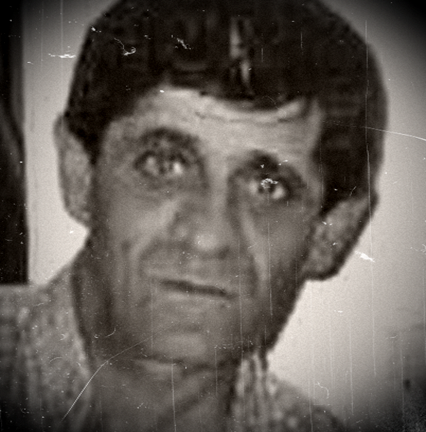
On November 9th, 2002, a quiet Saturday afternoon in Harringay, North London, erupted into violence that would leave one man dead and expose deep-seated tensions within the local Turkish and Kurdish communities. Alisan Dogan, a forty-three-year-old father of two and carpenter working an extra shift as a cleaner, became an innocent victim in a mass brawl outside the Dostlar Lokali café on Grand Parade, Green Lanes.
Green Lanes in Harringay has long been a hub for London’s Turkish, Kurdish, and Cypriot communities, with numerous cafés, shops, and social clubs serving as gathering places. In the early 2000s, however, the area was plagued by organized crime, including drug trafficking (particularly heroin), extortion, and protection rackets. Rivalries existed between groups linked to the Kurdish separatist PKK (or its successor Kadek), which exerted influence over businesses, and criminal elements such as the Bombacilar (“Bombers”) gang, reportedly backed by prominent Kurdish crime families.
The Dostlar Lokali (sometimes referred to as a social club or café) was reportedly associated with one such family. Earlier that day, around four p.m., hooded members of the Bombacilar gang had attacked the Samas Abbas supermarket nearby, assaulting staff and causing damage. This was seen as an escalation in an ongoing turf dispute. In retaliation, a large group, estimated at forty or fifty men, converged on the Dostlar Lokali around 8pm, armed with knives, baseball bats, guns, and other weapons. A chaotic street brawl ensued in the Grand Parade/Portland Gardens area.
Alisan Dogan was not a participant in the feud. He had been helping to clean at the café to earn extra money for his family. Caught in the crossfire of the violent clash, he was stabbed and suffered fatal wounds. Around twenty people required hospital treatment, with several seriously injured (including some on life support) and reports of gunshot wounds. The scene was one of significant bloodshed, leading to a major police cordon and forensic investigation.
Alisan Dogan’s death shocked the community. He was described as a hardworking family man with no involvement in the criminal disputes.
Metropolitan Police launched a major inquiry, Operation Narita, amid a noted “wall of silence” from parts of the local community. This led to numerous arrests, raids across Harringay and surrounding areas, and a broader crackdown on organized crime linked to the Turkish/Kurdish underworld. Hundreds of arrests followed in the ensuing months, with seizures of weapons and drugs.
Veysel (or Veisel/Veysal) Yavuz, a young man (aged around twenty to twenty-four) from the area who worked as a waiter at a nearby restaurant, was charged with Alisan’s murder. His father was also initially linked to proceedings. Evidence included a fingerprint on a blood-stained knife. However, Yavuz denied involvement, claiming he was not present at the brawl and may have handled the knife earlier while working at the café. Two trials at the Old Bailey ended with hung juries, and in September 2004, prosecutors declined to pursue further action, leading to his acquittal. No one else was convicted for the murder, leaving the case officially unsolved.
The incident highlighted serious issues of gang violence, drug-related crime, and community tensions in parts of North London. It prompted heightened police presence, including armed patrols, and contributed to later operations that dismantled elements of the local criminal networks, resulting in significant prison sentences for some involved in related activities.
The Dostlar Lokali closed shortly after and the premises later housed other businesses. Alisan Dogan is remembered as a needless victim, a hardworking man in the wrong place at the wrong time.

