
On May 7th, 2002, paramedics were called to a flat in Herschel Crescent, Littlemore, Oxford, England. They found the resident, sixty-one-year-old Joseph Byrne, in a distressing state. He told them he had been assaulted and that a liquid had been thrown over him.
The substance was a caustic alkaline liquid, likely a common household cleaning product, that caused devastating injuries. Joseph’s head swelled to twice its normal size, his skin became tightly stretched, his eyes were forced shut, and he suffered severe burns to his face, neck, hands, and upper body. He was initially treated at the John Radcliffe Hospital in Oxford before being transferred to the specialist burns unit at Stoke Mandeville Hospital.
Joseph, a former carpenter originally from Ireland who had lived in Oxford for many years, suffered breathing difficulties due to swelling in his airways, which ultimately triggered a heart attack and brain damage, leading to his death on July 1st, nearly three weeks after the incident.
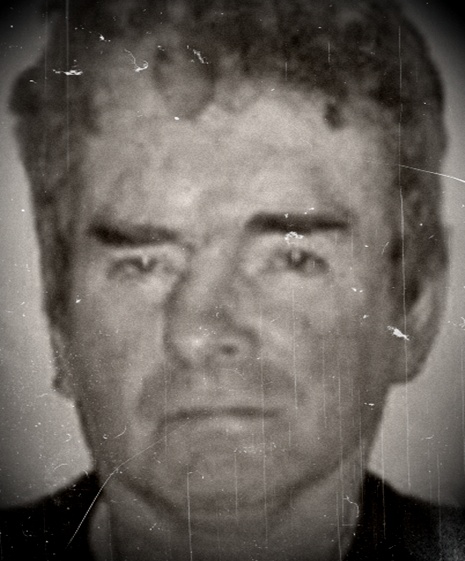
Thames Valley Police launched a murder inquiry following his death. A forty-two-year-old woman from the area was arrested on suspicion of murder but was later released without charge. Despite appeals for witnesses, the investigation struggled due to a lack of evidence and public cooperation.
At the inquest into Joseph Byrne’s death, held in Oxford, both the assistant deputy coroner and a detective expressed strong criticism of hospital staff for not informing police about the assault sooner. The delay potentially hindered early evidence collection.
Forensic experts confirmed the burns were consistent with a corrosive alkaline substance thrown during what may have been an altercation on a grassy area near Cowley Road and Long Lane in Littlemore.
As of the latest available information, no motive is known, and no one has been brought to justice for the attack on Joseph Byrne.

