
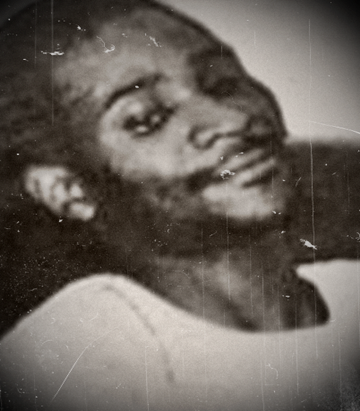
In the early hours of Easter Monday, April 21st, 2003, twenty-six-year-old Jason Paul Fearon, a father of two from Silvertown in east London, was shot dead in a hail of gunfire outside the Turnmills nightclub in Clerkenwell, central London. What began as a night out at a high-profile R&B event turned into a deadly gang feud ambush, exposing serious shortcomings in how police handled prior intelligence about the planned attack.
Turnmills, located at 63b Clerkenwell Road, was hosting a “Twice As Nice” party featuring garage artist Lisa Maffia of the So Solid Crew, drawing hundreds of revellers. Around two-thirty a.m., approximately eight men stormed a side entrance of the club, fighting with door staff and firing shots in the reception area. Panic ensued among the crowd.
Jason, who was in the reception area, fled with another man—believed to be the intended target, a known gangland figure—in an Audi TT sports car. The pair was pursued through the streets of Clerkenwell by gunmen in a BMW. The attackers leaned out of the windows and fired around twenty-three rounds at the fleeing Audi. Jason, who was wearing a bulletproof vest, was struck in the head by a single bullet. He was pronounced dead at University College Hospital. Another man was injured in the incident.
The Audi TT eventually collided with a parked car on Farringdon Road. Jason was found slumped in the passenger seat, unarmed. Police believed the shooting was a case of mistaken identity or collateral damage in a targeted hit linked to a feud between the Man Dem Crew (TMD) from Tottenham and a rival gang from Hackney.
The tragedy was compounded by prior warnings. An anonymous caller had contacted Crimestoppers days earlier with specific details about the planned attack, including the time, place, weapons (automatics, .38 revolvers, and a pistol), the involved gangs, and even the getaway car. The information reached Operation Trident, the Metropolitan Police unit dealing with gun crime in minority communities.
However, Trident assessed the intelligence as uncorroborated from an untested source and did not launch a full proactive operation. The details were passed to local Islington officers, but communication breakdowns occurred. Key information was not effectively shared, leading to a downgraded response: an empty marked police car was parked outside the club as a deterrent, and an armed response vehicle was positioned nearby. Organizers reportedly refused a request to cancel the event.
An inquest in 2006 criticized the Metropolitan Police for these failures. The jury ruled that Jason Fearon had been unlawfully killed and found the Met culpable due to poor communication and inadequate action. A subsequent review led to changes in training, protocols, and intelligence-sharing procedures.
Several men were arrested in connection with the shooting, but no one has ever been convicted. The case remains unsolved, one of London’s many unresolved gang-related killings from the early 2000s.

