
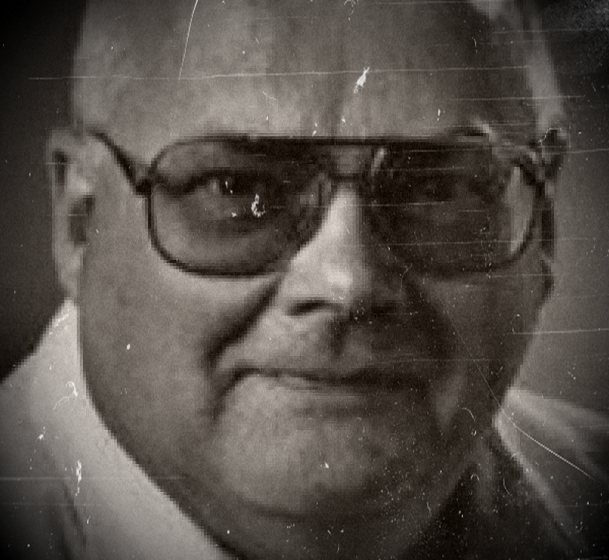
Lee Allen Goodwin was born on August 23rd, 1939. Records from Fort Snelling National Cemetery show that he served in the United States Army and attained the rank of Specialist Five. His cemetery record also identifies him as a Vietnam-era veteran. After his military service, Lee became part of another public-service institution closer to home: the New Brighton Fire Department in Minnesota. By the time of his death, the city described him as a longtime New Brighton resident and retired New Brighton firefighter.
Lee was married to Judith “Judie” Kay Goodwin. Later family records identify their sons as Brian and Todd Goodwin and show a family that remained firmly connected to the New Brighton area. Judie and Lee enjoyed traveling and participating in RV and camping communities.
Nothing publicly available about Lee Goodwin suggests a man living an obviously dangerous life. He had reached seventy years old, retired after serving his community, and was living in the city he had called home for years. That ordinary background is one reason the circumstances of his death remain so unsettling.
Friday, January 29th, 2010 began without any known sign that it would end in tragedy. What happened inside the Goodwin home during the hours before his body was discovered has never been fully reconstructed publicly. What authorities have established is that a family member found him dead that afternoon at the bottom of the stairs leading to the basement.
The location of the body immediately offered an innocent explanation. A fall down basement stairs can produce fatal injuries, particularly in an older adult. According to a detailed retrospective report published in July 2026, Lee’s wife initially believed she had encountered a medical emergency or accident when she found him. The possibility that he had been attacked apparently did not immediately dominate the family’s thinking.
That distinction mattered because a scene believed to be accidental is treated very differently from a murder scene. Recent reporting on the case says family activity inside the house before its significance was understood complicated the eventual investigation. Investigators were therefore forced to work with a scene that had not been preserved from the outset as the location of a violent crime.
Then investigators noticed something important. Lee Goodwin’s wallet was gone.
A missing wallet could conceivably have been misplaced, but other property appeared to be missing from the residence as well. New Brighton authorities now explicitly state that items were removed from Lee’s home and that investigators have hoped those objects might someday lead them to the person or people responsible.
Two days after Lee was found dead, someone contacted New Brighton police after discovering a wallet containing his identification in a trash dumpster behind 1431 Silver Lake Road in New Brighton. The cash and credit cards had been removed.
The Ramsey County Medical Examiner ultimately classified Lee Goodwin’s death as a homicide resulting from an assault. Later reporting has described his fatal injuries as blunt-force trauma. That finding changed the entire interpretation of the staircase.
The public record does not establish whether entry into the home was forced, whether Lee knew his attacker, whether the offender entered specifically to commit a burglary, or whether the theft followed a confrontation that began for another reason. Authorities have also never publicly named a suspect.
Investigators canvassed the neighborhood, but the case did not yield the break police needed.
One particularly frustrating element surfaced in renewed reporting on the case in July 2026. According to that account, investigators came to suspect that a piggy bank in the Goodwin home might have been connected to the assault, possibly even as the object used to strike him. But because the death had initially appeared accidental, the family had unknowingly destroyed or disposed of the object before its possible evidentiary importance became clear.
The same account reported that investigators believed the offender had been on foot. If accurate, that assessment potentially narrows the area in which the killer may have lived, been staying or had access to transportation afterward. But authorities have not publicly identified the evidence underlying that conclusion.
As time passed, the investigation gradually became a cold case. Judith Goodwin died in July 2021 without seeing her husband’s killer brought to justice.
As of this writing in September 2026, the murder of Lee Allen Goodwin is still unsolved.

