
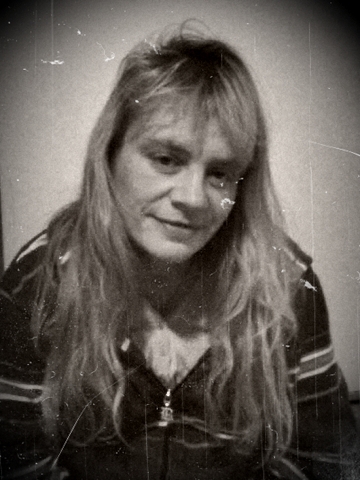
On January 2nd, 2015, just two days into the new year, a grim discovery along the Columbia River in southwestern Washington brought an abrupt and violent end to the story of forty-year-old Jessica Danielle Newton. Her body was found on Bachelor Island, a secluded stretch of land along the river in Clark County, Washington. The multiple injuries she had sustained told investigators that her death was no accident: Jessica had been murdered.
According to the Clark County Sheriff’s Office, Jessica had connections to Clark County, Washington, but her most recent known living arrangement was at an apartment in southeast Portland, Oregon.
The Columbia River separates much of Portland’s metropolitan area from Vancouver and the surrounding communities of southwestern Washington. For residents of the region, crossing between the two states is an ordinary part of daily life. People frequently travel back and forth for employment, housing, social connections, and family obligations. Jessica’s connections to both sides of the river would eventually become an important element of her murder investigation.
Unfortunately, publicly available information about her personal life is limited. Official investigators have not released a comprehensive biography detailing her upbringing, employment history, family relationships, or interests. Nor have they provided a detailed account of her activities during the days immediately preceding her death.
What authorities have acknowledged is that Jessica struggled with drug use and had experienced unstable housing. For someone without a stable residence, establishing a reliable timeline can be especially difficult. There may be no consistent household routine, workplace schedule, or single address from which investigators can trace a person’s activities. The resulting gaps can complicate a homicide investigation, particularly when authorities are attempting to determine when a victim was last seen alive.
In Jessica’s case, the publicly available record does not establish when she was last seen, who last spoke with her, or whether anyone reported her missing before January 2nd. Authorities have also not publicly detailed who discovered her body, the exact time of the discovery, or the circumstances under which the initial report was made.
One of the most intriguing details in Jessica’s murder investigation concerns the route her body may have taken before it was discovered. Although her remains were recovered on Bachelor Island in Washington, investigators believe she may have been placed in the Willamette River in Oregon.
The Willamette flows north through Portland before joining the Columbia River near the northern end of the city. From that confluence, the Columbia continues westward toward the Pacific Ocean. Bachelor Island lies downstream within the Columbia River system.
If Jessica’s body entered the Willamette River and subsequently reached the Columbia, the location where she was found could have been some distance from the site where she died.
The Sheriff’s Office has not disclosed the specific evidence supporting its belief that Jessica may have entered the Willamette River first. It is therefore unclear whether that theory arose from forensic findings, information supplied by witnesses, a reconstruction of river conditions, or some combination of investigative evidence.
Jessica’s history of drug use may have been relevant to investigators, but it does not establish that her murder was drug-related. Similarly, there is no confirmed evidence in the official public summary that she was killed during a robbery, domestic dispute, sexual assault, or other specific circumstance.
As of November 2026, more than eleven years have passed since Jessica’s body was discovered on Bachelor Island, and authorities seem no closer to finding out who killed her.

