
On the morning of March 6th, 2007, employees arriving at a business on North 71st Street in Tampa, Florida noticed signs that something was wrong behind the building. A strong odor hung around the rear parking area, and buzzards had gathered nearby. The workers initially believed that an animal had died or been dumped on the property.
As one employee used a small construction vehicle to move dirt near the source of the odor, human remains were uncovered. Someone had attempted to conceal a woman’s body in a shallow grave, but the burial was so incomplete that portions of the remains had become visible above the ground.
The woman was soon identified as thirty-six-year-old Tampa resident Tracy Jan McClelland, a mother of three whose family had been searching for her since shortly after Valentine’s Day.
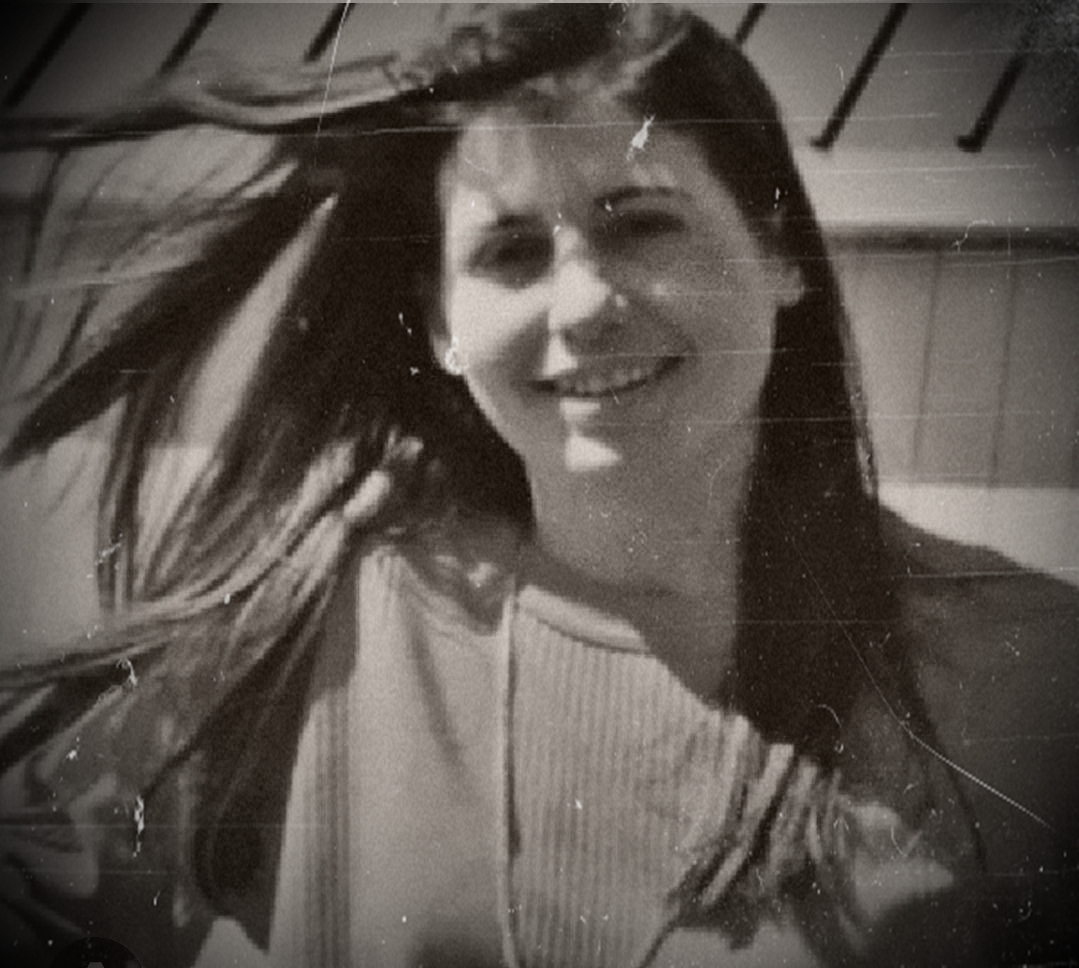
Tracy was born in Tampa on April 27th, 1970, to James McClelland and Janice Garvin. She grew up with her brother, Larry, and her sisters, Lisa and Jamie, in a family described by relatives as loving and close despite her parents’ divorce. Her family had longstanding roots in Tampa and Ybor City.
Those who knew Tracy in her youth remembered an intelligent, attractive and popular young woman. She attended private school, performed well academically and later enrolled at the University of South Florida, where she began working toward a degree with the intention of becoming a teacher. In her twenties, her life appeared to be moving in a promising direction.
Tracy eventually became the mother of two daughters, Sara and Emmalee, and a son, Sergio. Whatever difficulties arose later in her life, her relatives continued to describe her as someone who deeply loved her children and her extended family.
Her life began to change dramatically after the death of her older brother, Larry. In August 1996, Larry died by suicide while receiving mental-health treatment. According to later accounts from the family, Tracy had been particularly close to him and was devastated by his death. Her sister Lisa Whidden said Tracy initially turned to prescription painkillers to dull the grief and eventually began using cocaine and other street drugs.
The addiction disrupted the future Tracy had once imagined. College and a teaching career fell away, and periods of instability increasingly separated her from the family life she had previously known. Her addiction placed her in dangerous situations and among people her family did not always know. Yet those struggles did not erase the daughter, sister and mother they remembered. To her relatives, Tracy was not simply a person with an addiction. She was a loved one whose grief had developed into a problem she was unable to overcome.
The exact date on which Tracy was last seen has never been firmly established in publicly available accounts. Investigators believed she disappeared sometime around Valentine’s Day in February 2007. According to her sister, Tracy had gone shopping and purchased Valentine’s gifts for her children. Afterward, she stopped contacting her family. She had occasionally disappeared for short periods before, but this absence felt different.
One event particularly alarmed her relatives. Lisa had recently given birth to a son, and Tracy did not come to the hospital to see her new nephew. Her family believed that, regardless of the problems in her life, she would not willingly have missed such an important occasion.
As the days passed without a telephone call or visit, Tracy’s mother, Janice Garvin, became increasingly frightened. She contacted authorities and reported her daughter missing. By then, however, investigators had little reliable information about Tracy’s recent movements, the people she had been spending time with or the precise place where she had last been seen alive. Those unanswered questions would become some of the greatest obstacles in the murder investigation.
On March 6th, approximately three weeks after Tracy was believed to have disappeared, workers made the discovery behind the business on North 71st Street.
The body had been placed in a hastily prepared grave near the rear of the parking lot. The location suggested an effort to hide the victim, but the burial was neither deep nor secure. The decomposition odor and the presence of scavenging birds eventually drew attention to the site.
Detectives initially had to consider whether anyone connected with the business might have been involved. Employees were interviewed, and the company reportedly provided investigators with a complete employee list and cooperated with the inquiry. According to Detective Gary Sandel, several members of the homicide squad spent weeks examining that possibility. No evidence publicly linked the employees to Tracy’s death.
The Tampa Police Department has publicly described Tracy’s cause of death only as upper-body trauma. Later media accounts characterized the injuries as blunt-force trauma, but police have withheld more specific details, possibly to preserve evidence that could be known only to investigators and the killer. Authorities have also never publicly established whether Tracy was killed where her body was found.
Investigators faced the difficult task of reconstructing the final weeks of a woman whose life had become increasingly unpredictable. Detective Sandel later emphasized that investigators were especially interested in people who knew about conflicts Tracy may have been experiencing. Someone might have heard an argument, witnessed a threat, seen her enter a vehicle or known where she intended to spend the night.
No clear motive has ever been announced. Police have not publicly identified a suspect, named a person of interest or revealed whether forensic evidence was recovered from the grave. It remains unknown who last saw Tracy alive, where she spent her final hours or whether her killer was a casual acquaintance, an intimate partner, a drug associate or someone else entirely.
As of August 2026, the City of Tampa continues to list Tracy McClelland’s death as an unsolved homicide.

